 Skip to content
Allergen Control: Professional Cleaning Strategies for Healthier Indoor Spaces
Allergen control is essential for maintaining a safe, comfortable home or workplace—especially if you, your family, or your colleagues are sensitive to dust, pet dander, or pollen. This educational guide demystifies allergen control: professional cleaning strategies. You’ll learn how expert cleaning targets allergy triggers, compare specialized methods, discover what to expect from professional services, and find clear steps for building a healthier indoor environment, whether you own, rent, or manage property in Chicago. CHI Cleaning Services draws on real-world expertise to keep your living and working spaces as allergy-free as possible.
Understanding Allergens: Science and Sources Indoors
Before diving into strategies, it’s vital to understand what allergens are and how they infiltrate our indoor environments. Allergens are particles—often proteins—from sources like dust mites, pets, mold, or pollen that can provoke immune responses in sensitive individuals.
- Common household & commercial allergens: dust mite droppings, pet dander, mold spores, cockroach fragments, pollen, and fibers.
- Main entry points: HVAC systems, open windows, shoes, clothing, and pets re-entering from outdoors.
- High-risk areas: bedding, carpeting, upholstered furniture, air vents, kitchens, and bathrooms.
How Allergens Accumulate Indoors
- Settling: Dust and pollen settle on flat surfaces and textiles.
- Circulation: HVAC and forced air circulate small particles throughout large areas.
- Moisture: Inadequate ventilation allows mold to thrive—especially in bathrooms/basements.
Professional Cleaning and Its Role in Allergen Reduction
Professional cleaning targets the root causes of allergen accumulation by applying industry protocols, commercial-grade tools, and advanced knowledge. This approach is markedly more effective than basic home cleaning routines, especially for Chicago homes and businesses exposed to seasonal allergen influxes.
- HEPA filter equipment: Commercial vacuums and air scrubbers remove fine particulates that regular vacuums miss.
- Detailed protocols: Checklists ensure technicians consistently address high-touch and high-risk areas.
- Surface compatibility: Professionals choose cleaning products safe for delicate, porous, or frequently used surfaces.
Measurable Benefits for Allergy-Prone Clients
- Lower levels of dust, pollen, and dander on surfaces and in air.
- Reduced allergy incidents for building occupants.
- Cleaner HVAC output and improved overall indoor air quality.
- Long-term surface protection and reduced microbial growth.
Key Differences: Residential vs. Commercial Allergen Control Cleaning
While the end goal is the same, allergen control strategies differ between homes and commercial environments due to variable foot traffic, surface materials, and operational hours.
| Aspect | Residential | Commercial |
|---|---|---|
| Focus Areas | Bedrooms, living rooms, pets’ spaces | Reception, workstations, shared facilities |
| Frequency | Weekly to monthly | Daily to weekly |
| Risks | Pets, fabrics, HVAC neglect, clutter | High occupancy, carpeted halls, shared equipment |
| Checklists | Detail on bedding, upholstery, curtains | Expanded to air ducts, ceiling vents, electronics |
Strategic Allergen Removal: Core Professional Techniques
- HEPA Filtration: Captures ≥99.97% of airborne particles down to 0.3 microns (see commercial cleaning solutions).
- Microfiber Cleaning: Traps more dust and dander compared to cotton or feather tools.
- Wet Wiping: Reduces airborne redistribution common with dry dusting.
- Targeted Disinfection: Careful use of bleach-based solutions where appropriate (CDC guidance on disinfectants).
- Routine Deep Cleaning: Periodic heavy-duty cleaning to access under furniture, inside ducts, and window treatments.
Checklists Used by Professional Teams
- Use HEPA vacuums on all carpeting and soft surfaces, including mattresses and seat cushions.
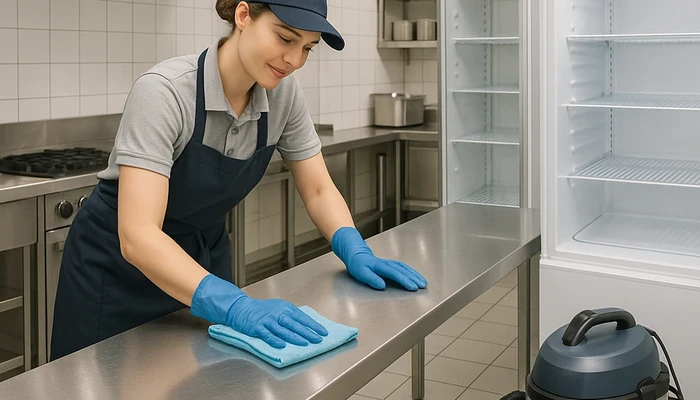
- Wet-wipe all horizontal surfaces (tables, sills, moldings).
- Wash drapes, linens, and removable fabrics regularly.
- Sanitize high-touch points (switches, doorknobs, keyboards).
- Inspect for and remove visible mold/mildew, especially in moist areas.
Allergen Control Cleaning: Decision Framework Before You Book
Selecting an allergen-targeted cleaning service requires a thoughtful review of your property’s needs and any occupants’ sensitivities. A decision-making framework helps you match service scope, methods, and frequency to your situation.
- Assess allergy triggers: Identify whether dust, pet dander, mold, or pollen are most troublesome.
- Review cleaning frequency: High-sensitivity homes and businesses may require weekly or bi-weekly deep cleaning, while others can schedule monthly or seasonal intensive sessions.
- Ask about products used: Ensure cleaners use hospital-grade, hypoallergenic, or low-residue products as appropriate.
- Discuss equipment: Confirm HEPA filtration and microfiber materials are standard.
- Request protocol checklists: Reputable providers will share detailed area-by-area steps.
Room-by-Room Strategies: Where Allergens Hide (and Are Removed)
Bedrooms and Living Areas
- Launder sheets and pillowcases weekly at 130°F or higher.
- Remove and wash area rugs and throw blankets.
- Clean upholstered furniture with HEPA vacuum attachments.
- Dust and wet-wipe all surfaces, including baseboards and lamp shades.
Kitchens and Dining Spaces
- Wipe down counters, appliance handles, and inside cabinets.
- Regularly empty trash and compost bins; sanitize bins at least monthly.
- Check for moisture or leaks under sinks (prevents mold).
Bathrooms
- Scrub floors, wall tiles, and fixtures using mold-inhibiting solutions.
- Ventilate space during and after cleaning.
- Wash or replace shower liners and curtains frequently.
Workspaces and Commercial Areas
- Vacuum carpets and under desks daily where feasible.
- Clean air vents and replace filters regularly.
- Disinfect communal devices and handles.
Allergen Reduction Checklists: Key Questions for Clients
- Is every textile surface—carpets, curtains, upholstery—included in the protocol?
- Are vents wiped and filters replaced or cleaned frequently?
- Are professional-grade vacuums and HEPA filters in use?
- Is infection control (e.g., mold, bacteria) part of the plan?
- Are all products safe for children, pets, and those with asthma?
Case Applications: Allergen Control in Specialty Environments
Short-Term Addressees (Airbnbs/Rentals)
- Quick turnaround requires robust but safe cleaning protocols between guests.
- Detailed logs help maintain consistent results and positive reviews.
Office and Commercial Facilities
- Scheduled after-hours cleaning to minimize disruption.
- Integration with maintenance plans for HVAC and carpet care.
High-Sensitivity Properties (Daycare, Clinics)
- Strict disinfection and hypoallergenic protocols, higher documentation and oversight.
- Extra attention to nooks, play surfaces, and shared resources.
Choosing Allergic-Friendly Cleaning Products and Equipment
Allergen reduction isn’t just about frequency; it’s also about the right formulas and technology:
- Low-residue, fragrance-free cleaners reduce irritation risks.
- Microfiber cloths outperform cotton for trapping dust and pollen.
- Steam cleaners break down biological allergens while sanitizing.
Confirm that professionals follow CDC disinfectant guidelines if you’re concerned about virus or mold cross-contamination.
Frequency and Planning: How Often to Schedule Cleaning for Optimal Allergen Control?
- High-sensitivity homes with pets: weekly HEPA vacuuming and surface cleaning.
- Office facilities: daily high-touch wiping, weekly deep cleaning.
- Rental properties between guests: full allergen protocol after each stay.
- Moisture-prone areas: monthly mold inspection and intensive treatment.
Seasonal upticks—spring and fall in Chicago—may require more frequent cleanings. For specific guidance, consider resources like this guide to comprehensive hygiene.
Assessment and Monitoring: How Professionals Verify Allergen Reduction
- Visual checks post-cleaning for dust and debris.
- Surface and air sampling in high-risk environments (some specialized providers).
- Client or tenant feedback on comfort and symptom changes.
- Continuous improvement: protocol updates based on observed outcomes.
Integrating Professional Cleaning with DIY Allergen Control
Professionals provide a periodic reset, but daily behaviors at home or work impact results:
- Remove shoes at entry and use door mats.
- Keep pets groomed and off furniture as much as possible.
- Promptly tackle spills to avoid mold or bacterial growth.
- Replace HVAC filters as recommended by the manufacturer.
For those in property management or hospitality, see how regular cleaning increases tenant satisfaction.
Chicago’s Climate and Its Impact on Indoor Allergen Control
Chicago’s seasonal weather extremes lead to unique allergen challenges:
- Spring: High pollen counts require extra filtration and frequent surface cleaning.
- Summer: Humidity increases mold/spore risks, so bathroom and basement cleaning is crucial.
- Fall/Winter: Closed windows trap indoor allergens; vent and duct cleaning become more important.
Properties in the city center may encounter more soot, while suburban areas cope with pollen influx. Adjust professional schedules accordingly.
Red Flags and Mistakes That Undermine Allergen Control
- Skipping air vents or not using HEPA-grade equipment.
- Using heavily fragranced or residue-heavy cleaners that can irritate sensitive individuals.
- Ignoring soft furnishings during routine cleaning.
- Failing to address HVAC maintenance in both residential and commercial properties.
- Allowing moisture to persist, fueling mold growth.
For best practice reminders, see the detailed professional cleaning approach.
Bringing It All Together: Action Plan for Effective Allergen Control
- Identify key allergen sources unique to your building or operation.
- Schedule a professional site assessment (virtually or in-person).
- Request clear documentation of products, methods, and checklists.
- Commit to an optimal cleaning frequency for your environment.
- Integrate professional cleaning with everyday allergen-reducing habits.
- Monitor results and adjust protocols based on feedback and outcomes.
Are you a business owner, property manager, or landlord looking for assurance? Connect with an office or rental property cleaning service for tailored plans. Homeowners and Airbnb hosts should prioritize allergy-friendly routines with their providers.
Frequently Asked Questions: Allergen Control and Professional Cleaning
- Are professional cleaning services effective for severe allergies?
- Yes. Professional services follow medical-grade protocols and use equipment that homeowners typically don’t have, such as HEPA vacuums and commercial microfiber systems. They dramatically reduce allergen exposure, though maintenance is key for ongoing results.
- How do cleaning companies handle pet allergens?
- Technicians prioritize fabric surfaces, use potent suction equipment, and often recommend more frequent appointments in homes with multiple or high-shedding pets.
- What should I ask my provider about cleaning products?
- Request allergy-safe, low-residue, and fragrance-free options, and confirm compliance with CDC or EPA standards for safety—particularly in sensitive environments.
- Can professional cleaning eliminate mold and mildew risks?
- It drastically reduces risk, particularly when paired with proper ventilation and moisture control. Severe infestations may require specialized mold remediation services beyond routine cleaning.
- How do I maintain a low-allergen environment between professional visits?
- Vacuum regularly (using a HEPA filter if possible), wash linens at high heat, wipe down surfaces weekly, and keep up HVAC maintenance.
- Do I need different cleaning schedules for different seasons?
- Yes, especially in climates like Chicago. Spring and fall require more frequent allergen removal due to pollen influx, while summer demands extra mold/mildew vigilance.
- Is it safe to book allergen-control cleaning for homes with infants or elderly residents?
- Yes, as long as hypoallergenic, residue-free, and low-toxicity products are used. Always discuss sensitivities in advance with your provider.
- Can I request custom allergen checklists from my cleaning team?
- Most reputable professionals will tailor checklists to address your specific triggers, frequency needs, and high-risk areas.
- Are commercial-grade cleaning solutions necessary in homes?
- In homes with severe allergies, commercial products and equipment may yield better results, particularly for deep cleaning sessions.
Summary and Next Steps: Toward an Allergy-Friendly Indoor Environment
Controlling indoor allergens calls for professional strategies, specialized equipment, and proactive collaboration between occupants and cleaning teams. By understanding the science, selecting the right protocols, and maintaining good everyday habits, you can enjoy a healthier, more comfortable home or workplace.
- Review your property’s allergy risks and cleaning needs.
- Consult with professional providers to develop a tailored allergen control program.
- Supplement periodic deep cleaning with diligent at-home surface care and air management.
If you’re ready to reduce allergens for your tenants, guests, employees, or family, consider Airbnb cleaning, Office cleaning service, or House cleaning booking for reliable solutions in Chicago.
About CHI Cleaning Services
CHI Cleaning Services is a trusted provider of cleaning expertise for Chicago homes, offices, commercial spaces, and specialty properties. Leveraging advanced protocols, trained staff, and product selection tailored to allergen control, the team excels in recurring house cleaning, deep cleaning, move out cleaning, office care, and specialized facility hygiene. CHI Cleaning Services helps households and businesses in Chicago, Illinois and nearby areas keep their spaces clean and healthy—with flexibility, attention to detail, and a commitment to quality standards. For more information about the company’s ethos and solutions, visit CHI Cleaning Services.
best cleaning services, commercial cleaning service, commercial cleaning companies, commercial cleaning company Oak Park, commercial cleaning contractors in Hannover Park IL, commercial cleaning companies in Lansing IL, Fort Sheridan commercial cleaning, commercial cleaning contractors in Morton Grove, commercial cleaning Loop, commercial cleaning in Forest Park
