Fitness Center Hygiene Essentials: A Comprehensive Guide
Maintaining strict hygiene standards is at the heart of every successful fitness center. Fitness Center Hygiene Essentials go far beyond simply wiping down equipment — they encompass a meticulous, evidence-based approach to cleaning and disinfecting every indoor zone of the facility. For Chicago gym owners, managers, and staff, this guide delivers a practical playbook with actionable steps, real-world checklists, and decision frameworks to ensure your gym or fitness studio not only meets, but exceeds, hygiene expectations. Whether you oversee a compact boutique studio or a sprawling commercial gym, understanding and implementing Fitness Center Hygiene Essentials will guard against illness, inspire member confidence, and set a new standard for professional facility care.
Defining Fitness Center Hygiene Essentials: The Non-Negotiables
Before tackling routines or advanced techniques, it’s critical to define what Fitness Center Hygiene Essentials mean in practical terms for modern fitness facilities:
- Comprehensive surface disinfection focusing on high-touch zones and shared equipment.
- Rigorous hand hygiene protocols for staff and members.
- Methodical cleaning schedules with frequency based on foot traffic and usage patterns.
- Trained cleaning personnel using professional/approved products and up-to-date techniques.
- Routine monitoring and documentation of cleaning activities and problem areas.
Adopting Fitness Center Hygiene Essentials sets clear expectations for cleanliness and accountability at every level of operation.
Why Hygiene Matters: Risk Reduction and Member Confidence
Fitness centers by nature present unique risks. High-traffic shared zones, hot and moist environments, and multiple contact points make them ideal settings for the spread of germs, viruses, and fungi. Implementing the right hygiene protocols not only protects your business legally and reputationally but also directly enhances member well-being and trust.
- Prevents outbreaks of communicable diseases (e.g., flu, MRSA, athlete’s foot).
- Inspires member loyalty by demonstrating a visible commitment to safety.
- Minimizes equipment downtime and wear from improper cleaning methods.
According to the Association for Professionals in Infection Control and Epidemiology, hygiene fundamentals for public spaces must include both continuous cleaning routines and targeted disinfection during peak usage periods.
Fitness Center Zones: Tailored Hygiene Protocols for Each Area
A successful hygiene program recognizes that not all areas of a fitness center carry the same risk or demand the same cleaning frequency. Segmenting your cleaning strategy by zone prevents both under- and over-cleaning:
| Fitness Center Zone | Primary Risks | Hygiene Essentials |
|---|---|---|
| Reception/Entry | High hand contact, cross-traffic | Frequent surface and touchpoint disinfection |
| Cardio & Equipment Floor | Shared equipment, sweat residue | Hour-by-hour wipe-down, nightly deep clean |
| Locker Rooms/Showers | Humidity, wet floors, fungi | Anti-microbial agents, daily scrubbing, slip prevention |
| Studios/Classrooms | Mats & props, body fluids | Disinfect after each class, washing of mats/textiles |
| Restrooms | Moisture, frequent use | Multiple daily cleans, restocking supplies |
| Saunas/Steam Rooms | Mold, bacteria | Specialized disinfectants, moisture control |
Essential Cleaning Routines: Frequency and Checklist Design
The backbone of any hygiene program is a schedule that matches cleaning to real-world need. Develop a checklist for each facility zone, blending real-time spot cleaning and scheduled deep cleans:
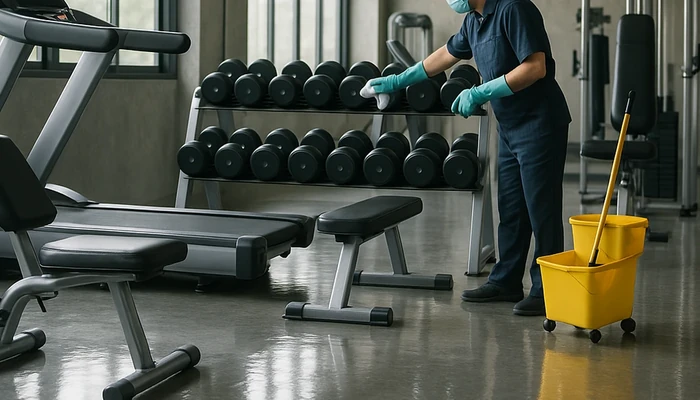
- High-touch points: Cleaned every 1–2 hours and between user transitions (e.g., dumbbells, treadmills).
- Floors: Mopped and vacuumed daily, or more frequently during weather extremes.
- Locker rooms and showers: Sanitized multiple times a day; wet areas checked for slip risks.
- Common areas/lounges: Tables, counters, and seating wiped and disinfected after each rush period.
For daily operations, reference the Checklist For Daily Cleaning In Fitness Centers for step-by-step routines.
Key Cleaning Agents and Equipment for Fitness Centers
Quality cleaning always depends on using the right chemicals – and the right tools for each surface.
- Disinfectants: Choose EPA-registered solutions proven to kill viruses, bacteria, and fungi commonly present in gyms.
- Microfiber cloths: Outperform cotton in trapping debris and minimizing streaks.
- Scrubbing machines: Used for large floor areas and installed mats.
- Electrostatic sprayers: For efficient surface coverage and deeper disinfection.
Consult with cleaning professionals or product reps to ensure compatibility with your flooring, upholstery, and gym equipment.
Staff Training and Member Hygiene Education
Effective hygiene starts with well-trained staff:
- All cleaning team members should know the latest protocols, tool uses, and safety checks.
- Regular refreshers, including updates from the APIC infection control curriculum, help prevent procedural drift.
For members, visible signage and periodic orientation on handwashing, personal wipe-downs, and shoe policies foster shared responsibility. Consider digital or in-gym reminders to explain why fitness center hygiene essentials matter and the difference members make in facility health.
Custom Scheduling: Adapting Frequency to Real-World Usage
One-size-fits-all timetables rarely work. Adjust cleaning schedules by tracking:
- Peak hours (weekday mornings/evenings, busier weekends).
- Facility capacity and total daily entries.
- Recent illness trends. Increase frequency during cold/flu season or outbreak alerts.
- Audit logs: Record completion of each cleaning task.
See real-world strategies in Strategies For Maintaining Cleanliness In Fitness Facilities During Peak Hours for adapting schedules to live conditions.
Evaluating Professional Cleaning Partners: What to Look For
Relying on a trained cleaning partner ensures greater consistency and reliability. When choosing a company:
- Check references from fitness and commercial facilities in your area.
- Ask about recurring and special deep cleaning options.
- Review their checklists, documentation, and on-site training approach.
- Understand which cleaning agents and disinfection protocols they use.
- Look for transparent communication and clear pricing, hallmarks of companies like CHI Cleaning Services.
Comparing In-House Cleaning Crews vs. Professional Teams
- In-house teams offer flexibility but may struggle with proper scheduling and escalation for specialty tasks.
- Professional services bring advanced tools, oversight, and experience handling high compliance environments.
- Many Chicago facilities use a hybrid approach: daily wipe-downs by gym staff, supplemented by scheduled visits from a partner like CHI Cleaning Services.
Evaluate your facility’s unique footprint, volume, and risk level before making the right choice.
Documentation: Logs, Audits, and Inspection
Accountability is essential. Maintain a cleaning log that includes:
- Date and time of each cleaning completed.
- Name of staff member or cleaning service.
- Specific tasks performed.
- Any notes about repairs, incidents, or inventory needs.
Conduct regular spot inspections by management or an external partner to ensure compliance and address overlooked areas.
Preventive Maintenance: Air Quality, Ventilation, and Mold Prevention
Airborne contaminants and poor ventilation not only harm equipment – they also pose health risks. As covered in Fitness Center: Cleanliness Matters, inspect HVAC filters, check for excess humidity, and address leaks swiftly. Schedule professional duct and vent cleaning, especially in older buildings or high-traffic urban locations.
Dealing with Outbreaks and Special Incidents
Have a response plan for viral outbreaks or bodily fluid incidents:
- Close off affected areas immediately until sanitized.
- Use hospital-grade disinfectants following manufacturer instructions.
- Dispose of contaminated material safely and provide clear communication to members about actions taken.
This protocol reassures your community and demonstrates proactive care for their safety.
Member-Facing Hygiene: Visibility and Perception
Hygiene is about more than just technical processes – it’s about what members see and feel. Make cleaning activities visible, offer easily accessible sanitizing stations, and communicate standards openly. Facilities that make cleanliness a core part of their culture consistently enjoy higher member satisfaction and retention.
Chicago-specific Considerations: Climate, Regulations, and Trends
Operating in Chicago presents unique hygiene challenges:
- Snow and salt intrusion during winter periods means extra floor care and entryway maintenance.
- Humidity during summers increases mold and mildew risks in showers and locker rooms.
- Stay updated on evolving city health & safety regulations, especially for commercial gyms.
Partnering with a local company informed about Chicago’s specific needs, such as CHI Cleaning Services, ensures no details are overlooked.
Structured Comparison: Core Cleaning Essentials vs. Advanced Hygiene Upgrades
- Core Essentials: Regular equipment wipe-downs, hourly touchpoint disinfection, daily floor care, and restroom/locker cleaning.
- Advanced Upgrades: Electrostatic spraying, antimicrobial treatments, smart sensor-based cleaning, and digital audit logs.
Adopting advanced practices is recommended when aiming for an edge in reputation or safety.
Practical Steps to Launch or Upgrade Your Facility Hygiene Program
- Conduct a risk assessment of your unique facility.
- Map out every cleaning zone and define essential routines for each.
- Set up clear written checklists and audit logs.
- Educate and empower both staff and members about shared hygiene.
- Partner with a cleaning service that matches your standards and track record.
For inspiration, explore Spotless Gym: Cleaning Strategies and learn how top facilities ensure consistent success.
FAQ: Fitness Center Hygiene Essentials
- How often should gym equipment be disinfected?
- Shared equipment should be disinfected after each use during operational hours and undergo a full deep clean once daily at minimum.
- What are the most important hygiene essentials in locker rooms?
- Daily scrubbing of wet areas, anti-fungal products, slip-resistant mats, and regular air circulation checks are essential.
- Which cleaning agents are safe for all gym surfaces?
- EPA-registered disinfectants labeled for gym or fitness centers, and always verify compatibility with manufacturers’ recommendations.
- How can members contribute to better gym hygiene?
- By following posted hygiene reminders: wiping equipment after use, washing hands, using towels, and reporting any messes to staff.
- What’s the difference between deep cleaning and routine cleaning?
- Routine cleaning covers visible dirt and touchpoints. Deep cleaning targets less accessible areas and more thorough disinfection beyond daily surfaces.
- Why is documentation of cleaning important?
- Logs improve accountability, help facilities comply with health guidelines, and communicate seriousness about hygiene to staff and members alike.
- Are there specific requirements for Chicago fitness facilities?
- Yes. Chicago may set stricter rules during health events; consult city guidance or a local expert to ensure your program meets all requirements.
- How do I select a reliable professional cleaning partner?
- Look for proof of staff training, transparent processes, valid references, appropriate insurance, and clear communication standards.
Maintaining the Standard: Ongoing Evaluation and Next Steps
True Fitness Center Hygiene Essentials are the result of continuous improvement. Evaluate your checklists quarterly, address feedback promptly, and stay updated on cleaning innovations. As the health landscape continues to change, so should your approach to hygiene – always prioritizing the safety and trust of your members and staff.
About CHI Cleaning Services
CHI Cleaning Services helps households and businesses in Chicago, Illinois and nearby areas keep their spaces clean and healthy. Our professionally trained staff specialize in recurring house cleaning, deep cleaning, move out cleaning, office cleaning, and facility cleaning. We follow strict checklists and use the right products and equipment for every environment, always emphasizing attention to detail in high-touch and shared spaces. Transparent communication, clear pricing, and a commitment to long-term client satisfaction set us apart in both residential and commercial cleaning.
24 Hr Gym Cleaning Service Chicago, best cleaning services chicago, fitness center cleaning services, fitness center cleaning chicago, fitness center cleaning Algonquin IL, gym sanitation cleaning Gold Coast, gym deep cleaning Evanston, health club cleaning Markham, gym deep cleaning Lake Villa, gym clean Bradley IL, workout studio cleaning Hinsdale IL