 Skip to content
Gym Cleaning: A Comprehensive Guide to Hygienic and Safe Fitness Spaces
Cleanliness isn’t just cosmetic—it’s a top priority for every fitness facility, from boutique studios to bustling gyms in Chicago, Illinois. Whether you manage a large commercial gym, own a smaller training space, or simply want to understand what professional gym cleaning really entails, this comprehensive guide will unpack proven strategies, expert checklists, and decision frameworks to help you keep every area spotless and safe. You’ll discover actionable steps, how to evaluate your current routines, and what to look for in a reliable cleaning partner—so your members always enjoy a healthy experience. Let’s get started with the essentials of Gym Cleaning: A Comprehensive Guide for modern fitness spaces.
Understanding Gym-Specific Cleaning Challenges
Gyms present a unique blend of surfaces, heavy foot traffic, shared equipment, and health risks that make routine cleaning both critical and complex. Issues include sweat and skin cells building up on machines, moisture that fosters odors and microbes, and high-touch areas that require frequent attention. Facility managers must address:
- Constant use of cardio and strength equipment
- Shared mats, free weights, benches, and stretching areas
- Restrooms, showers, and locker rooms with high humidity
- Front desks, touchscreens, and vending zones
Effective gym cleaning goes beyond a nightly mop—it requires targeted approaches to infection control, allergen reduction, and stain removal.
Core Principles of Effective Gym Cleaning
Success in gym cleaning relies on three core principles:
- Consistency: Adhering to defined routines for daily, weekly, and monthly tasks prevents buildup and improves health outcomes.
- Attention to High-Touch Zones: Areas like weight machines, handrails, doorknobs, and locker handles demand frequent disinfection.
- Use of Proper Products: Not all cleaners are safe for gym equipment or surfaces. Professional teams use manufacturer-approved disinfectants that protect both people and equipment.
Maintaining these principles safeguards clients, staff, and helps your business meet expectations for fitness hygiene.
Building a Tailored Gym Cleaning Checklist
Creating a gym-specific checklist ensures all tasks are performed systematically. Here’s an outline tailored for comprehensive facility coverage:
- Entry and Lobby
- Disinfect doors and handles
- Clean reception counters and seating surfaces
- Sanitize touchscreens/credit card machines
- Cardio/Strength Equipment
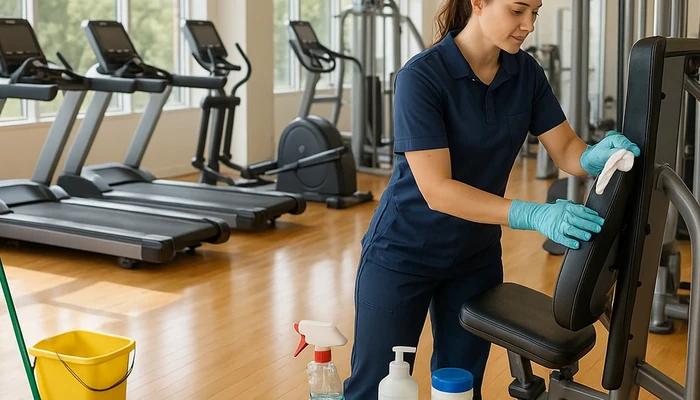
- Wipe all consoles, handles, seats, and adjustment levers
- Disinfect weight racks and accessories
- Clean mats and stretching areas
- Group Fitness Studios
- Mop and disinfect floors
- Sanitize shared equipment (bands, dumbbells, mats)
- Locker Rooms and Showers
- Scrub and disinfect benches, lockers, and changing stalls
- Clean mirrors, sinks, toilets, and urinals
- Disinfect shower stalls and dry all surfaces to prevent mildew
- Restrooms
- Sanitize toilets, sinks, partitions, and trash cans
- Refill soap and paper supplies
- Common and Ancillary Areas
- Clean drinking fountains and vending machine panels
- Vacuum entry mats and carpeted areas
- Spot mop hard floors and address spills
Having a well-organized cleaning checklist not only keeps your team accountable but also reassures members their fitness center is cared for. For a more granular daily routine, see this daily fitness center cleaning checklist.
Sanitization Protocols for High-Touch Equipment
Proper equipment sanitization is crucial for reducing germ transmission in gyms. Cardio machines, free weights, and mats collect sweat and microbes, so your cleaning routine should include:
- Using EPA-registered disinfectants compatible with equipment materials
- Allowing sufficient dwell time for disinfectants to work (usually several minutes)
- Focusing on multiple points of contact: grips, seats, touchscreens
- Providing visible signage and supplies for member wipe-downs
Well-documented sanitation protocols both protect health and boost member confidence in your facility’s safety standards.
Best Practices for Locker Rooms and Showers
Locker rooms are hotbeds for bacteria and odors due to moisture, towels, and personal items. High-quality cleaning in these zones includes:
- Regular cleaning cycles throughout the day and deep cleaning weekly
- Power scrubbing tile floors and grout to prevent mildew
- Disinfecting lockers, benches, hair dryers, and vanity areas
- Ensuring proper ventilation to reduce humidity and maintain air quality
Showers require extra attention to prevent slip hazards and fungal growth. For more on locker room hygiene, explore this fitness center hygiene essentials guide.
Advanced Odor Control and Air Quality in Gyms
Persistent odors in gyms can drive away new members and signal cleaning issues. Advanced approaches include:
- Humidity Control: Use dehumidifiers and maintain HVAC systems to limit moisture.
- HEPA Filtration: Regularly replace filters to trap airborne dust and allergens.
- Regular Disinfection: Target sweat-prone areas and soft furnishings (like gym upholstery).
- Natural Air Purifiers: Incorporate plants or ozone treatments as needed.
Focus on improving both scent and indoor air quality for a pleasing, healthy workout experience. For more information on ventilation and air quality, see this gym ventilation cleaning resource.
Frequency Framework: Daily, Weekly, and Periodic Tasks
Determining how often to perform specific cleaning tasks helps maintain high standards without missing critical areas. Here’s an optimal frequency framework:
| Area/Task | Daily | Weekly | Monthly/Seasonal |
|---|---|---|---|
| Equipment Disinfection | ✔ | ||
| Restrooms Cleaning | ✔ | ||
| Locker Room Deep Cleaning | ✔ | ||
| Floor Scrubbing | ✔ | ||
| HVAC System Check | ✔ | ||
| High Dusting (vents, tops) | ✔ | ||
| Window and Glass Cleaning | ✔ |
Customize these frequencies based on your facility’s usage and feedback. High-traffic gyms may need more frequent cycles during peak hours—see cleanliness strategies for peak hours for more details.
Safe Chemical and Product Choices for Fitness Settings
Choosing the right cleaning products is a balancing act between safety, efficacy, and protecting equipment. Important considerations include:
- Avoiding harsh bleach on soft surfaces and electronics
- Using non-residue, quick-dry formulas for floors
- Selecting hospital-grade disinfectants for high-risk areas
- Checking compatibility with manufacturers’ recommendations to preserve equipment warranties
The Association for Professionals in Infection Control (APIC) provides trusted educational resources for infection prevention and cleaning protocols in fitness environments.
Staff Accountability: Training and Monitoring Best Practices
A cleaning plan is only as good as the people who carry it out. Professional gym cleaning teams rely on:
- Structured onboarding and training on protocols specific to fitness facilities
- Quality checklists, sign-off logs, or digital tracking (by each shift or task area)
- Routine refresher training, especially for evolving disinfectant procedures
- Regular audits and client feedback loops for continuous improvement
CHI Cleaning Services ensures staff are thoroughly vetted and consistently trained in up-to-date cleaning standards.
Member Education and Promoting Shared Responsibility
Member participation plays a significant role in maintaining cleanliness between professional cleaning sessions. Strategies for encouraging shared responsibility include:
- Clear signage instructing members to wipe down equipment before and after use
- Placement of accessible wipe dispensers and hand sanitizing stations throughout the facility
- Regular reminders through digital screens, emails, or gym announcements
- Offering friendly staff support to monitor adherence and offer assistance
Building a culture of hygiene benefits both members and staff, creating a safer, more pleasant gym environment.
Addressing Special Facility Areas: Pools, Saunas, and Studios
Special amenities in gyms require tailored approaches:
- Pools: Chlorine levels, pH balance, frequent deck cleaning, and shower protocols
- Saunas/Steam Rooms: Removal of mildew, wipe-down of benches, and ventilation management
- Studios (Yoga, Spinning, Dance): Cleaning mats, mirrors, props, and sound equipment
Routine professional checks ensure these spaces meet the highest hygiene standards, support user comfort, and pass health inspections.
Evaluating Cleaning Results: Visual Inspections vs. Testing
While visual cleanliness is important, true gym hygiene is typically measured using more objective methods:
- Regular ATP (adenosine triphosphate) testing for biological contaminants on high-touch surfaces
- Odor and feedback monitoring from staff and members
- Routine re-inspection of problem spots, especially during peak hours
Facilities may also keep documented cleaning logs for accountability and to demonstrate their commitment to hygiene to regulatory agencies or clients.
Infection Control and Outbreak Prevention in Fitness Centers
Respiratory illnesses, skin infections, and other communicable diseases can rapidly spread in gyms if proper protocols are not followed. Best practices include:
- Increasing cleaning frequency during flu season or outbreaks
- Strict illness reporting and isolation policies for staff
- Emphasizing hand washing and surface disinfecting for both staff and members
The American College of Sports Medicine (ACSM) provides authoritative information on gym hygiene and outbreak control for the fitness industry.
How to Choose a Professional Gym Cleaning Partner
- Ask about specialized training and experience with gym and fitness environments
- Review checklists, service guarantees, and cleaning products used
- Ensure flexibility for after-hours cleaning or during high-traffic intervals
- Check insurance and safety credentials
- Request references from similar gym clients
For reliable, checklist-driven solutions and attention to fitness-specific needs, consider connecting with CHI Cleaning Services. Their professional team offers customized programs for gyms and all types of fitness centers. To discuss recurring or one-time specialty cleaning, you can request a gym cleaning proposal today.
Integrating Cleaning with Daily Facility Operations
Seamless integration of cleaning processes with everyday gym activities minimizes member disruption and keeps hygiene constant. Key strategies:
- Stagger cleaning in busy zones with clear signage and limited area closures
- Schedule deep cleans during off-peak hours or overnight
- Equip day-porters to address spills and restock supplies in real time
- Use low-noise cleaning equipment for minimum interference
This proactive approach enhances both member experience and long-term facility health.
Common Pitfalls and How to Avoid Them
- Ignoring manufacturer instructions, causing equipment damage
- Overlooking small, shared items like resistance bands or foam rollers
- Using too much water in carpeted or rubber-floored zones, leading to mold
- Underestimating seasonal deep cleaning needs (for example, salt/debris in winter)
Stay vigilant with scheduled tasks and regularly update your checklists as your facility grows or adds new amenities.
Frequently Asked Questions about Gym Cleaning
How often should gym equipment be disinfected?
High-touch gym equipment should be disinfected after each use and at minimum daily, with more frequent cleaning during busy periods.
What disinfectants are safe for gym mats and upholstery?
Choose cleaners that are non-corrosive, hospital-grade, and approved for use on soft surfaces—avoid bleach on colored or foam materials.
How can we prevent odors in locker rooms?
Maintain strict cleaning schedules, use effective ventilation, and regularly launder towels and mop up moisture promptly.
Are there special protocols during flu season?
Increase surface disinfection frequency, encourage hand hygiene, and educate both members and staff on symptoms and prevention.
Is professional cleaning required for gyms?
While in-house teams can handle basic routines, professional services deliver deep cleaning, specialized sanitization, and ensure compliance with health standards.
What’s the difference between cleaning and disinfecting?
Cleaning removes soil and debris; disinfecting kills germs. Both are essential for gym hygiene and are typically included in professional maintenance plans.
Should members help with cleaning?
Yes, member participation in wiping down equipment and using sanitizer is vital to maintaining hygiene between scheduled cleanings.
How can air quality affect gym health?
Poor air quality contributes to discomfort and illness. Regular filter changes, ventilation maintenance, and humidity control are key.
Can gyms schedule cleaning around peak hours?
Absolutely—most professional teams offer flexible scheduling, including after-hours or staggered service during busy times.
Summary and Next Steps
Maintaining a pristine gym environment requires intentional, science-based cleaning strategies. From equipment disinfection and tailored checklists to air quality and member engagement, attention to these details will boost both facility reputation and client satisfaction. For fitness centers in Chicago and beyond, professional partners like CHI Cleaning Services can provide peace of mind and proven results.
If you’re considering outsourced support or want more details about regular or deep cleaning visits, view options for business cleaning packages or office cleaning service.
About CHI Cleaning Services
CHI Cleaning Services helps households and businesses in Chicago, Illinois and nearby areas keep their spaces clean and healthy. With specialized expertise in recurring house cleaning, deep cleaning, move out cleaning, office, and facility cleaning, our trained teams deliver reliable, checklist-driven care for homes and commercial spaces. We follow strict quality standards, prioritize open communication, and use the safest professional-grade cleaning products to protect people, property, and the environment. To see how CHI Cleaning Services can help transform your fitness center’s hygiene, trust our experience and commitment to excellence every visit.
24 Hr Gym Cleaning Service Chicago, chicago cleaning service, workout studio cleaning chicago, fitness center cleaning, gym sanitation cleaning Algonquin, gym clean Cicero, gym deep cleaning Western Springs IL, gym deep cleaning West Loop, gym deep cleaning Spring Grove, gym cleaning River North, gym sanitation cleaning Matteson
