A Practical Framework for Infection Control in Household Deep Cleaning
When it comes to creating a healthy home, thorough cleaning goes beyond the usual dusting and vacuuming. Infection Control in Household Deep Cleaning is an essential approach to reduce illness-causing germs, especially in homes with children, elderly family members, allergy sufferers, or anyone with a lowered immune system. This guide provides a complete, step-by-step strategy drawn from professional cleaning practices, so you can make informed decisions for your home or property. You’ll find actionable checklists, risk evaluation advice, safety guidance, and room-by-room frameworks, all backed by expert cleaning protocols and science-based recommendations. CHI Cleaning Services blends industry experience with attention to detail—so let’s dig in and transform your living spaces into a healthier environment.
Navigating Infection Risks: What Homeowners Need to Know
Effective infection control depends on identifying where and how germs are spread at home. Before deep cleaning, assess these key risk zones:
- Kitchens – Food prep areas harbor bacteria including Salmonella and E. coli.
- Bathrooms – Moisture supports mold, fungi, and viruses.
- High-Touch Surfaces – Door handles, remote controls, light switches, railings.
- Shared Zones – Living rooms and entryways accumulate germs from shoes, bags, and pets.
Identify if anyone in your household is at higher risk (infants, seniors, those with chronic conditions). This will help prioritize areas and assign more frequent cleaning cycles if needed.
Types of Germs and Their Household Hotspots
Understanding what you’re up against is the first step. Here’s a comparison of common pathogens and where they tend to accumulate:
| Germ Type | Common Locations | Risks |
|---|---|---|
| Bacteria (e.g., E. coli, Salmonella) | Kitchen counters, sinks, sponges | Gastrointestinal illness, food poisoning |
| Viruses (e.g., Influenza, Norovirus) | Doorknobs, remotes, bathrooms | Respiratory infections, stomach flu |
| Fungi & Mold | Showers, basements, window sills | Allergies, infections, respiratory issues |
| Allergens (dust mites, pollen) | Carpets, bedding, curtains | Asthma, allergy attacks |
This knowledge helps guide the infection control strategy during a cleaning session and clarifies which products and methods to use for each surface and situation.
Step 1: Preparing for a Deep Cleaning Session
Effective infection control begins before the first spray or wipe. Preparation decreases cross-contamination and boosts results.
- Gather the right supplies:
- Color-coded microfiber cloths (avoid cross-use in different rooms)
- EPA-registered disinfectants (see safer options at EPA’s Safer Choice guide)
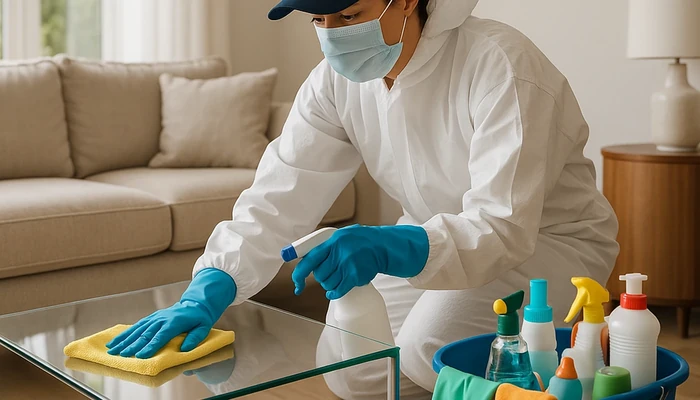
- Personal protective gear (gloves, apron, mask as needed)
- Bucket for dirty cloths, mop or steam cleaner
- Pre-sort the home:
- Declutter to expose surfaces
- Identify fragile items or electronics needing special handling
- Set zones: Clean from least contaminated (bedrooms) to most contaminated (bathrooms/kitchen) areas.
Selecting Safe and Effective Disinfectants
Not all cleaning products are suitable for infection control. Look for:
- EPA-approved disinfectants proven to eliminate bacteria and viruses on hard surfaces
- Eco-friendly options containing fewer harsh chemicals when possible (see the government’s Safer Choice database)
- Correct contact (dwell) time—check product label instructions
Never mix chemicals (such as bleach and ammonia) as this creates toxic gases. Always ventilate spaces during and after cleaning.
Personal Protective Measures for Safe Cleaning
Even non-commercial settings deserve strong safety protocols:
- Wear disposable or washable gloves for dirty or contaminated surfaces.
- Switch gloves—and cloths—when changing rooms, especially after bathrooms or kitchens.
- Wash hands thoroughly after removing gloves and between task changes.
- Use a mask if sensitive to dust, mold, or chemical fumes.
Proper personal protective equipment (PPE) is also a key factor for professional teams like CHI Cleaning Services and can be requested for added peace of mind.
Room-by-Room Infection Control Deep Cleaning Guide
This section outlines how to bring infection control deep cleaning to every major area of the home, with customized advice for each space.
Kitchens: The Food Safety Hub
- Start with clear countertops—move appliances to access hidden spots.
- Disinfect sinks, faucets, and handles.
- Sanitize food prep surfaces and cutting boards.
- Clean cabinet handles, refrigerator doors, and trash bins.
- Replace or disinfect sponges and dishcloths regularly.
Bathrooms: Controlling Moisture and Pathogens
- Apply targeted disinfectant to toilets, faucets, and flush handles.
- Scrub showers, bathtub floors, and grout lines to remove mold & residue.
- Wipe down mirror edges, soap dishes, and high-touch shelving.
- Launder bath mats and towels in hot water.
Bedrooms & Living Spaces: Minimizing Allergen and Germ Exposure
- Wash bedding, pillowcases, and blankets on a hot cycle.
- Vacuum mattresses, carpets, and upholstered furniture using HEPA filters.
- Disinfect remote controls, light switches, and door handles.
- Dust surfaces before disinfecting—disinfectant is most effective after removal of visible soil.
Special Areas: Entryways, Garages, and Home Offices
- Place washable mats at entrances—clean or swap them frequently.
- Regularly disinfect handles, storage bins, railings, and shared equipment.
- Pay attention to electronics—use sanitizing wipes designed for computers and phones.
Deep Cleaning Frequency and Decision-Making Framework
How often should infection control-level deep cleaning occur? This varies by household:
- Higher frequency if you have young children, senior adults, pets, or recent illness in the home.
- Every 1–2 months for bathrooms and kitchens.
- Every 3–4 months for bedrooms, living spaces, and offices.
- Immediate deep clean after known contamination incidents (spills, pet mess, illness).
Tip: Set a reminder for quarterly deep cleaning, with spot disinfection of high-touch spots every week.
Essential Infection Control Deep Cleaning Checklist
Use this practical checklist to help you (or your cleaning provider) cover crucial tasks for each cleaning session:
- Sort rooms by risk—work cleanest to dirtiest
- Wear, remove, and change gloves and cloths between rooms
- Follow product dwell times for every disinfectant
- Focus on high-touch surfaces (switches, handles, railings, remotes)
- Clean and disinfect kitchen and bathroom fixtures thoroughly
- Launder soft furnishings (bedding, towels, curtains) regularly
- Dispose of or wash cleaning supplies after use
- Ventilate spaces—even in winter—to reduce lingering pathogens and product fumes
Comparing DIY and Professional-Grade Infection Control
Many homeowners wonder if their own efforts can match professional-level results. Here’s a structured comparison:
- DIY Cleaning:
- Offers flexibility and lower cost
- Relies on personal knowledge and time
- May overlook hidden hotspots or use inefficient techniques
- Professional Cleaning (CHI Cleaning Services):
- Uses trained staff and proven protocols
- Follows checklists audited for infection control efficacy
- Brings specialized equipment (HEPA, steam, microfiber systems)
- Handles tough contamination with greater thoroughness
For homes with recurring illness, allergy issues, or complex cleaning needs, partnering with an expert team ensures safer results.
Science-Backed Cleaning Techniques and Tools
Professional approaches emphasize both science and attention to detail:
- Microfiber cleaning: Removes more particles and germs than standard cloths.
- HEPA-filter vacuums: Capture dust mites, pollen, and bacteria without redistributing them.
- Steam cleaning: Effectively eliminates bacteria and fungi on hard, non-porous surfaces without harsh chemicals.
- EPA-tested products: Used according to manufacturer guidelines for proper kill times.
For more insight into science-based methods, see The Science Behind Deep Cleaning and Deep Cleaning: Techniques and Tips.
Understanding Cross-Contamination and How to Prevent It
One of the most critical aspects of infection control is preventing germs from spreading between rooms or surfaces. Professionals train for this, and you can apply these habits at home:
- Designate cloths and gloves for each area (e.g., blue = kitchen, yellow = bathrooms).
- Never use the same sponge or towel on kitchen counters and bathrooms.
- Clean and disinfect equipment after each session.
- Launder or properly dispose of consumable supplies.
Tip: When in doubt, swap out to fresh supplies during a deep cleaning marathon.
Special Scenarios: Infection Control in Shared and Rental Properties
For Airbnbs, rental properties, or homes with frequent visitors, infection control is even more urgent. Steps to take:
- Increase frequency of full disinfection between guests or tenants.
- Provide visible instructions and cleaning supplies for guests.
- Schedule deep cleaning after any illness or long-term occupancy.
For specific needs, CHI Cleaning Services can provide tailored Airbnb cleaning or apartment cleaning (*soft CTAs embedded according to rules*).
Decision Points: When to Schedule a Professional Infection Control Deep Clean
Wondering if it’s time to hire professionals? Consider these triggers:
- Recent virus outbreak (flu, COVID-19, norovirus) in the home or workplace
- Persistent or unusual odors despite routine cleaning
- Individuals at higher risk (elderly, infants, immune-compromised)
- Visible buildup, stains, or mold growth on surfaces
- Limited time or mobility to carry out comprehensive cleaning
For deep cleaning sessions designed to prioritize infection control, consider exploring our Deep cleaning service.
Post-Cleaning: Maintenance Steps to Keep Your Home Safer
Establishing simple habits between deep cleans extends their benefits:
- Disinfect high-touch areas weekly
- Wash hands after returning home, before cooking, and after cleaning tasks
- Change kitchen towels and sponges 2–3 times per week
- Open windows regularly to improve airflow and reduce airborne contaminants
- Rotate shoes and bags to prevent bringing outside germs in
Consistency is more impactful than perfection—set small routines for big gains in infection prevention.
Integrating Infection Control Principles into Family or Staff Routines
Whether sharing chores with family or coordinating cleaning with staff or tenants, clear communication and checklists improve compliance:
- Share this infection control checklist in an accessible place
- Assign rooms or tasks to each person—match duties to experience and risk level
- Review cleaning product safety and allergy risks for all participants
- Encourage reporting of any spills, damage, or potential hazards promptly
In larger or commercial-scale spaces, consult with professional cleaning providers for a scalable infection control plan—a great addition for property managers and businesses in Chicago, Illinois.
Expert Resources and Trusted Product Choices
For those seeking further validation of cleaning choices, the EPA’s guide to mold remediation and the EPA Safer Choice database list products that meet strict health and environmental standards. Always check that the selected disinfectant is suitable for the specific pathogens of concern in your home.
Frequently Asked Questions: Infection Control Deep Cleaning
- How do I know if my current cleaning routine is effective against viruses and bacteria?
- Ensure you use EPA-approved disinfectants and allow the recommended contact time. Swap cloths and gloves between rooms and pay special attention to high-touch surfaces.
- Can I use homemade cleaning solutions for infection control?
- While simple solutions (like diluted bleach) can be effective, always confirm they target the pathogens you want to eliminate. Commercial EPA-registered disinfectants are backed by standardized testing.
- How do professionals handle infection control that’s different from DIY deep cleaning?
- Professionals follow strict protocols: using color-coded supplies, specialized equipment, and systematic checklists to avoid cross-contamination and ensure thoroughness every session.
- What are the biggest areas homeowners overlook during infection control deep cleaning?
- Light switches, remotes, under appliance handles, neglected mold behind fixtures, and soft furnishings that can harbor dust mites.
- How often should I deep clean for infection control if someone gets sick?
- Do a targeted infection control session within 24 hours and continue routine disinfection in shared spaces for up to a week after symptoms subside.
- Are eco-friendly cleaning products as effective for infection control?
- Many eco-friendly products are effective, especially those listed on the EPA Safer Choice list, but always confirm they’re proven against viruses and bacteria.
- Can household deep cleaning help allergy sufferers?
- Yes, routine deep cleaning removes allergens and dust mites, improving air quality and reducing triggers.
- Is steam cleaning safe for all surfaces?
- Steam is highly effective on hard, non-porous surfaces but can damage unsealed wood or delicate fabrics. Always test in a small area first or consult a professional.
- How do I make sure my cleaning contractor follows infection control best practices?
- Review their protocols, ask about their checklists, request documented training, and confirm their use of EPA-approved products. Established providers like CHI Cleaning Services follow strict infection control steps for every job.
Conclusion: Safeguarding Your Home with Thoughtful Infection Control Deep Cleaning
Maximizing household health means combining practical routines with informed choices about products, frequency, and attention to commonly missed areas. Infection control deep cleaning isn’t just for hospitals—it’s a smart prevention tool for every home. Use the frameworks, checklists, and decision guides above to tailor your plan, and don’t hesitate to seek expert help for high-risk cases or when life gets too busy. For spaces that need a reset, explore Deep cleaning service or schedule a trusted Office cleaning service.
About CHI Cleaning Services
CHI Cleaning Services helps households and businesses in Chicago, Illinois and nearby areas keep their spaces clean and healthy with a focus on infection control, recurring house cleaning, deep cleaning, move out cleaning, office cleaning, and facility cleaning. With a trained staff, professional-grade products, and industry-approved checklists, CHI Cleaning Services is dedicated to transparent communication, quality standards, and long-term client relationships. When you want the peace of mind that comes with a genuinely deep clean, CHI Cleaning Services is your reliable partner.
local cleaning services, deep cleaning, professional deep cleaning chicago, deep cleaning Round Lake, best deep cleaning Elgin IL, one time deep cleaning North Riverside IL, best deep cleaning Fox Lake, home deep cleaning Lockport IL, deep clean Itasca, one time deep cleaning Lincolnwood