
How to Manage Cleaning During Non-Working Hours In Offices: Strategies, Checklists, and Best Practices
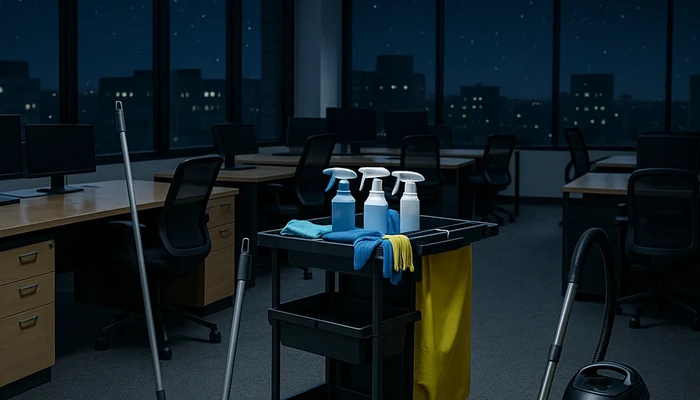
Ensuring a consistently clean and hygienic workplace is crucial for health, productivity, and professional image—yet coordinating cleaning tasks outside of business hours brings unique challenges. This detailed guide explains how to manage cleaning during non-working hours in offices. You’ll discover how to design schedules, set clear expectations, coordinate with cleaning staff, maximize security, and measure results, all tailored to Chicago’s office environment. Whether you’re a property manager, office administrator, or business owner, you’ll gain practical frameworks, sample checklists, and expert tips from CHI Cleaning Services.
Why After-Hours Office Cleaning Is Essential
Keeping offices clean after business hours is not simply a matter of convenience—it’s vital for:
- Minimizing disruption to employees and daytime activities
- Improving cleaning effectiveness when spaces are unoccupied
- Maintaining professional appearance for the next day
- Reducing exposure to cleaning chemicals for staff
- Complying with workplace hygiene standards
After-hours cleaning allows professionals to address every area in detail—desks, high-touch surfaces, restrooms, kitchens—without disturbing office operations. In cities like Chicago, where security and building protocols matter, planning night or early-morning cleaning requires careful attention to access, safety, and timing.
Understanding Office-Specific Cleaning Needs During Off-Hours
Every office has unique high-traffic zones, shared facilities, and sensitive equipment. Managing cleaning after hours means identifying these specifics, such as:
- Reception areas and lobbies
- Conference rooms and shared tables
- Employee kitchens or break rooms
- IT/server rooms (delicate, require caution)
- Restrooms (daily deep cleaning needed)
CHI Cleaning Services recommends conducting a thorough walkthrough with your cleaning partner to pinpoint areas needing extra focus. This ensures priority is given to hygiene-intensive zones and reduces the risk of oversight when offices are empty.
Developing an After-Hours Office Cleaning Strategy
Strategic planning is the foundation of smooth cleaning operations outside working hours. Consider these steps for effective coordination:
- Assess office occupancy and operations—align cleaning to true “non-working” windows for each department or floor.
- Define scope of work—list daily, weekly, and monthly cleaning tasks covering all surfaces, equipment, and trash removal.
- Plan for special events or high-turnover periods—preempt demands around conferences, renovations, or seasonal peaks.
- Coordinate with building management—ensure security clearance, elevator usage, and access to supply closets.
Regular check-ins with both facility staff and cleaning crews keep this strategy responsive and effective.
Sample Non-Working Hours Office Cleaning Checklist
| Area | Daily Tasks | Weekly/Monthly Tasks |
|---|---|---|
| Entrance & Lobby | Vacuum, mop floors; wipe doors | Deep clean carpets; polish fixtures |
| Workstations | Empty trash; disinfect desks; dust surfaces | Clean keyboards & phones; sanitize chairs |
| Restrooms | Disinfect fixtures; refill supplies | Deep tile & grout cleaning |
| Kitchenettes | Sanitize counters; clean sinks | Deep clean appliances |
| Meeting Rooms | Wipe tables; empty bins | Clean upholstery; disinfect tech surfaces |
Customizing Your Cleaning Schedule to Fit Office Operations
A one-size-fits-all approach rarely meets real-world office needs. Instead, tailor your after-hours cleaning schedule using:
- Business peak times: Clean before/after, not during busy periods.
- Rotating zones: Divide office into cleaning “zones” to rotate deep cleaning.
- Flexibility for staff overtime and late meetings
- Consistent communication of schedule changes
This approach reduces conflicts, ensures spaces are fresh each morning, and supports better hygiene outcomes.
Key Differences Between Daytime and Non-Working Hours Cleaning
- Access and Security: After-hours cleaners need badges, entry codes, or escort services, unlike daytime crews who may work under supervision.
- Noise Management: Vacuuming and equipment use is less disruptive after hours but must comply with building policies.
- Scope: Crews can use longer-dwell cleaning products and tackle areas that are occupied during the day (e.g., open-plan desks).
- Supervision: On-site facility staff may not be present, so cleaning companies must document completion and issues.
Setting Expectations with Your Cleaning Company
To ensure quality, clarify these points before after-hours cleaning starts:
- Detailed description of cleaning standards for each space.
- Safety protocols for accessing secure areas.
- Reporting process for maintenance issues spotted during cleaning (leaks, damage, supply shortages).
- Communication channels for after-hours questions or emergencies.
Request a written checklist and proof-of-completion log from your cleaning company to track work done outside regular business hours.
Addressing Security and Access for After-Hours Cleaning
Security is a top concern when offices are empty. Professional cleaning companies should:
- Screen staff and ensure background checks
- Provide ID badges or uniforms for access
- Use secure key management and log entry/exit times
- Coordinate with building security for alarms and video surveillance
Reviewing these processes builds trust and ensures the safety of assets and confidential information.
Supporting Hygiene and Health Standards Outside of Regular Hours
Deeper, more effective disinfection is possible during off-hours. Focus on:
- Use of high-grade disinfectants suitable for workspaces
- Targeted cleaning of high-touch surfaces (door handles, touchscreens, light switches, shared printers)
- Managing allergens by thorough vacuuming and dusting
- Replacing air filters and cleaning vents as part of deeper tasks
Following these best practices supports staff well-being and aligns with public health standards. For further standards, review Cook County building and cleaning guidance.
Coordinating Non-Working Hours Cleaning with Building Management
Collaboration is vital to avoid missteps such as locked storage, tripped alarms, or less access to trash disposal:
- Share cleaning schedules with building or property managers in advance
- Arrange keycard and elevator permissions
- Clarify protocols for after-hours incidents (leaks, power outages, accidents)
This coordination ensures cleaning teams can operate smoothly and minimize unexpected disruptions.
Communicating Cleaning Schedules to Staff and Stakeholders
Transparency helps build cooperation and limits surprises, especially for teams working late or irregular hours. Consider:
- Posting digital schedules on intranet or staff message boards
- Including contact info for cleaning leads and building security
- Inviting feedback about specific cleaning needs (e.g., sensitive equipment, allergy concerns)
Proactive updates reduce friction and allow for smooth nightly operations.
Choosing the Right Professional Partner for After-Hours Cleaning
When outsourcing, select a cleaning provider with:
- Proven experience in secure, after-hours office environments
- References from similar offices or Chicago businesses
- Detailed training on chemical safety and handling delicate equipment
- Local knowledge of building requirements and codes
- Clear response plans for off-hours issues
Consider companies like CHI Cleaning Services for transparent communication, reliability, and flexibility tailored to off-hour cleaning—even for unique industries.
Key Roles: Office Staff, Facility Managers, and Cleaning Crews
Successful after-hours cleaning depends on everyone knowing their responsibilities:
- Facility Manager: Coordinates access, logs requests, manages supplies
- Cleaning Supervisor: Ensures task completion, inspects quality, communicates findings
- Office Staff: Prepares spaces (de-clutter desks, secure valuables), flags special needs
Setting clear roles prevents misunderstandings and keeps the cleaning workflow efficient.
Emergency Situations and Special Requirements After Hours
Sometimes, urgent situations or last-minute events require out-of-schedule cleaning. Prepare for:
- Spill or contamination protocols
- Flexible schedules for events, moves, or renovations
- Rapid communication between office managers and cleaners outside normal hours
Provider flexibility is key; consider partners offering Same-day cleaning or special event support as a backup.
Quality Control and Measuring the Success of Non-Working Hours Cleaning
Effective cleaning is measurable. To ensure standards are met, consider these checkpoints:
- Routine inspections by building staff or cleaning supervisors
- Checklists completed and signed after each visit
- Maintenance log for areas needing follow-up (damaged fixtures, restock requests)
- Anonymous staff surveys to gather honest feedback
Continuous improvement builds a cleaner, safer office environment and strengthens the client-provider relationship.
Integrating Green and Sustainable Practices During Off-Hours Cleaning
Sustainable cleaning options can be just as effective and are often more feasible when offices are empty:
- Use of eco-certified cleaning supplies
- Energy-efficient equipment (vacuums, dryers)
- Careful water usage and waste sorting
Discuss sustainable options with your cleaning partner and consider including green practices in your after-hours checklist. For specialized green deep cleaning, see options from Deep cleaning.
Adapting Non-Working Hours Cleaning for Different Office Types
Every office is unique. Consider special adaptations for:
- Open-plan offices: Manage electronics, open workstations, large surfaces
- Healthcare/dental offices: Follow medical-grade hygiene; see insights from Dental Clinic Cleaning: Essential Practices
- Shared offices/Airbnb offices: Increased rotation, versatile scheduling; consider specialized Airbnb cleaning
- Government/public sector: Comply strictly with local codes and building requirements
Work with providers who understand these nuances and offer custom plans.
Checklist: Getting Started with Non-Working Hours Cleaning Plans
- Map out priority cleaning zones and risky/high-traffic areas
- Consult with staff to identify unique needs
- Request checklists and logs from your vendor
- Secure building access and necessary permits
- Schedule a test run or trial period
- Review and adjust the plan every few months based on feedback and changing office needs
For ongoing improvement, review expert advice on Ensuring Healthy Clinic Environments and adapt strategies to your specific workplace.
Frequently Asked Questions: Cleaning Offices During Non-Working Hours
- What are the benefits of scheduling office cleaning after hours?
You minimize workday disruption, improve cleaning depth, and support healthier environments by having professionals clean when spaces are empty. - How do I ensure security during non-working hours cleaning?
Vet your cleaning company’s security policies, require staff identification, and coordinate tightly with building management. - What should my after-hours cleaning agreement include?
It should outline access rights, cleaning tasks, reporting methods, and contingency plans for emergencies or schedule changes. - How is cleaning during non-working hours verified?
Request completed checklists, time logs, and periodic on-site inspections or staff surveys. - Can non-working hour cleaning accommodate flexible office shifts?
Yes—work with your provider to adjust timing, focus zones, and adapt to changes in your office’s schedule. - Are specific certifications needed for after-hours office cleaning?
While not always mandatory, certifications around chemical handling, green cleaning, and security clearance are recommended. - What is the difference in pricing between regular and after-hours cleaning?
After-hours cleaning may incur a premium due to staffing, security needs, and labor laws, but the increased efficiency often justifies the investment. - Can the cleaning provider address maintenance issues during after-hours?
Yes, if pre-arranged; many firms will report detected issues, restock supplies, or flag urgent repairs after cleaning. - Should I use in-house or outsourced cleaning for after-hours?
Outsourcing is generally more efficient for non-working hours due to flexibility, expertise, and security management. - What extra sanitation measures are recommended post-pandemic?
Enhanced disinfection of high-touch surfaces, air purifiers, and use of hospital-grade cleaning solutions should be integrated for maximum safety.
Summary and Next Steps for Office Managers
Managing cleaning during non-working hours is an investment in both your workplace and your staff’s well-being. Start by mapping needs, aligning with professional cleaning standards, and prioritizing security and communication. CHI Cleaning Services encourages office managers to review their current arrangements, update cleaning checklists, and consult with specialists as needed. If you’re considering upgrades or a new partner, explore Office cleaning service options designed for your schedule or tailored solutions for deep cleaning or special spaces. Small improvements in your after-hours cleaning plan can have a big impact every workday.
About CHI Cleaning Services
CHI Cleaning Services helps households and businesses in Chicago, Illinois and nearby areas keep their spaces clean and healthy. Our team specializes in recurring house cleaning, deep cleaning, move out cleaning, office cleaning, and specialized facility cleaning. Trained staff, flexible scheduling, professional products, and a long-term client focus ensure every cleaning meets the highest standards for safety and hygiene. We are committed to clear communication, fair pricing, and attention to detail in every project.
cleaning companies, professional office cleaning, office cleaning near me, office cleaning Bradley, office cleaning in Evanston IL, office cleaning Lake Forest IL, office cleaning Cragin, office cleaning in Yorkville, office cleaning company in Glenview IL, office cleaning Westmont