Mastering Establishment Cleaning Essentials: A Practical Framework for Residences and Businesses
Whether you manage a household, a rental property, or a commercial space in Chicago, keeping every establishment thoroughly clean is a non-negotiable responsibility. Mastering establishment cleaning essentials is not just about basic tidiness—it’s about understanding the methods, science, and checklists behind professional-grade hygiene. In this guide, you’ll learn the difference between standard and comprehensive cleaning, vital protocols for different types of establishments, how to evaluate cleaning quality, and what separates a reliable cleaning company from the rest. CHI Cleaning Services brings you the best practices, decision frameworks, and detailed steps to elevate the standards of any environment you manage.
Defining Establishment Cleaning Essentials: Scope and Standards
Establishment cleaning essentials go far beyond daily dusting. They represent a checklist of practices, tools, and hygiene standards established specifically for both residential and commercial locations. From floors and windows to high-touch surfaces, bathrooms, and shared amenities, mastering these essentials is necessary for safety, comfort, and operational excellence.
Key components of masterful establishment cleaning include:
- Systematic adherence to cleaning protocols and checklists
- Selection of professional products for each surface
- Attention to critical hygiene hotspots
- Consistent review of cleaning outcomes for continuous improvement
Frameworks for Establishment Cleaning: Models for Homes and Businesses
Professional cleaning is underpinned by methodical frameworks:
- Zone-Based Cleaning: Dividing spaces into functional zones (e.g., kitchen, restroom, entry) and tailoring routines for each
- Frequency Scheduling: Establishing daily, weekly, monthly, and seasonal cleaning cycles
- Surface-Specific Protocols: Adapting techniques according to material, traffic, and risk of contamination
- Dual Verification: Checklist completion plus peer or supervisor review for quality control
In high-traffic business settings, regular inspections anchor a culture of cleanliness; in homes, routines can be more flexible. Mastering establishment cleaning essentials requires adjusting these frameworks to each environment’s scale and usage.
Critical Focus Areas: Prioritizing Hygiene Hotspots
Not all spaces carry the same cleaning risk or requirements. Prioritize these critical focus areas for top-tier results:
- Bathrooms: Disinfection of fixtures, handles, and touch points
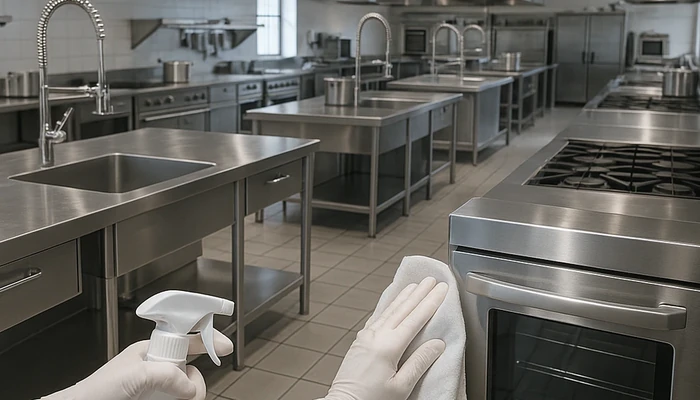
- Kitchens and Break Rooms: Appliances, counters, sinks, and high-risk zones
- High-Touch Surfaces: Door handles, elevator buttons, light switches
- Shared Technology: Keyboards, remotes, payment devices
- Entryways and Reception Areas: First-impression surfaces, mats, and floors
Documented checklists are central to ensuring no critical spot is overlooked—especially in offices, hospitality, and rental properties.
Essential Cleaning Products and Tools: The Professional’s Arsenal
- EPA-Registered Disinfectants: For disease control in shared environments (reference EPA List N)
- Microfiber Cloths: Capture dust and pathogens efficiently
- Appropriate Floor Care Systems: Mop types (flat, sponge), scrubbers, and vacuums
- PPE for Cleaners: Gloves, masks, and eye protection when handling chemicals
- Color-Coded Tools: Prevent cross-contamination between bathrooms, kitchens, etc.
Selection of professional-grade equipment is vital. For special environments (e.g., gyms or healthcare), HEPA-filtered vacuums and specialty disinfectants often come into play. For a comparison of basic versus advanced supplies, see the table below.
| Item | Basic Supply | Professional Upgrade |
|---|---|---|
| Mop | Standard cotton mop | Microfiber, antimicrobial treatment |
| Disinfectant | Household bleach | EPA List N or hospital-grade disinfectant |
| Duster | Feather duster | Microfiber high-reach duster |
| Vacuum | Bagless upright | HEPA, sealed filtration vacuum |
| Cloths | Generic terrycloth | Color-coded microfiber for zone separation |
Structuring the Ultimate Establishment Cleaning Checklist
A robust checklist is more than a list of chores. For mastering establishment cleaning essentials, a comprehensive checklist covers:
- Preparation: Decluttering and pre-inspection of hazards/maintenance issues
- Surface Cleaning: Dusting, wiping, and stain removal (across all horizontal and vertical surfaces)
- Disinfection: Targeted application on high-touch and contamination-prone areas
- Floor Care: Sweeping, vacuuming, mopping, and spot treatments
- Special Treatments: Window washing, appliance detailing, upholstery spot-cleaning
- Final Inspection: Supervisor or resident walk-through using the checklist
- Documentation: Logging findings and any issues for further action
Proper checklist implementation reduces the chance of missed areas—especially when multiple cleaners or shifts are involved.
Comparing Cleaning Models: Residential vs. Commercial Establishment Needs
- Frequency: Homes may stick to weekly cycles; offices or retail often require daily attention to certain areas.
- Scope: Commercial cleaning encompasses compliance and occupational safety; residential focuses on comfort and allergen reduction.
- Documentation: Businesses typically require logs for inspections; private homes may prefer less formality.
- Product Use: Sensitive areas (e.g., food prep, medical) demand specialized, sometimes certified, products.
Tip: Specialized establishments—like gyms, restaurants, or childcare centers—should review industry-specific guidance, such as ASHRAE’s commercial facility recommendations for HVAC and cleaning air-contact surfaces.
Establishing Safe Cleaning Routines: Health, Safety, and Environmental Best Practices
- Always review Safety Data Sheets (SDS) for chemicals used
- Train staff (or household) on correct dilution and storage of cleaning agents
- Ventilate spaces during and after cleaning, per product instructions
- Wear personal protective equipment as recommended
- Comply with local waste disposal rules and environmental standards
For pandemic or outbreak scenarios, rely on real-time guidance and authorized disinfectant lists. Consistent safety practices also minimize workplace injuries and chemical overexposure in commercial crews.
Decision Framework: Selecting a Professional Cleaning Company
- Assess adherence to listed checklists and industry standards
- Verify the company’s use of EPA-registered products
- Check for insurance, certifications, and safety protocols
- Evaluate staff training in high-touch, sensitive, and specialty areas
- Seek out customer reviews, past project references, or long-term client retention
In Chicago and similar urban markets, look for flexibility—both in scheduling and service customization (recurring, deep, move-out, or specialized needs). Transparent pricing and communication are hallmarks of trusted providers such as CHI Cleaning Services.
Inspection and Quality Control: Ensuring Consistent Results
- Use a reviewable checklist for each service
- Perform visual spot checks and use ATP meters for hygiene in critical spaces (optional for higher standards)
- Document defects—stains, streaks, or missed areas—for follow-up
- Solicit end-user or client feedback to inform future routines
- Set up recurring audits for commercial properties
High-performing companies integrate feedback loops and adapt standards based on occupancy, traffic, and special activities.
Deep Cleaning vs. Maintenance Cleaning: When and How to Choose Each
- Maintenance (Routine) Cleaning: Floors, surfaces, restrooms, trash—handled daily or weekly
- Deep Cleaning: Comprehensive focus—behind appliances, inside vents, under fixtures—often quarterly or at changeovers
Recommendation: Schedule deep cleans seasonally, after renovations, or prior to special events. Book deep cleaning service for best results.
Customizing Cleaning for Unique Environments: Airbnb, Gyms, Medical, and More
- Short-Term Rentals: Strict guest turnover protocols, linen replacement, amenity restocking (Airbnb cleaning)
- Fitness Centers: Disinfection of all equipment, locker rooms, mats, and showers
- Healthcare Offices: Specialized chemical use, cross-contamination controls (Medical office cleaning)
- Retail and Restaurants: Focus on public areas, restrooms, display surfaces, and checkout touchpoints
Always adapt your checklist and product selection to industry guidance for your establishment’s niche.
Efficiency Tools: Digital and Analog Solutions for Cleaning Teams
- Use digital checklists or mobile apps to track cleaning status
- Time tracking for recurring tasks improves accountability
- Analog logbooks serve well for small teams or homes
- Barcode/QR checkpoints for inspection rounds in larger properties
Modern technology can help document each stage, generate reports, and catch missed areas before they become complaints.
Key Hygiene Practices for Chicago Establishments: Climate and Urban Considerations
- Winter prep: focus on entry mats, salt/dirt tracking, and heating grilles
- Allergy season: boosted dust and floor care, and attention to windowsills
- Downtown/high-traffic: vestibule and glass door cleaning for daily visibility
- Shared residences: thoughtful scheduling to avoid conflicts and maintain privacy
Adaptation to Chicago’s seasons ensures better results, comfort, and property longevity. For more, see benefits of thorough hygiene for your surfaces and regular cleaning for property value.
Common Challenges and Solutions in Establishment Cleaning
- Tight schedules: Use team-based cleaning approaches for faster turnaround
- Staff turnover: Ongoing training and documented SOPs ensure consistency
- Complex layouts: Zone mapping and staggered schedules prevent overlap
- Persistent odors or stains: Specialized products and tools (HEPA, enzymatic cleaners) recommended
- Client communications: Digital logs enhance transparency for both parties
Solutions often blend people, planning, and product upgrades—especially for multi-use or busy urban establishments.
Frequently Asked Questions: Establishment Cleaning Essentials
- What are the must-have items on an establishment cleaning checklist?
- Cleansing and disinfection of all critical zones (bathrooms, kitchens, high-touch, floors), hazardous waste handling, and verifiable inspection steps.
- How often should commercial spaces be deep cleaned?
- Quarterly, or after any significant activity (renovations, outbreaks, seasonal transitions). Adjust frequency to traffic and signage compliance.
- Is home cleaning protocol different from business cleaning?
- Yes. Commercial protocols include legal, safety, and compliance concerns, while home cleaning prioritizes comfort, health, and personalized routines.
- What products are essential for effective establishment cleaning?
- EPA-registered disinfectants, microfiber supplies, and HEPA filtration for air and floors. Specialty products may be needed depending on facility type.
- Can cleaning routines be customized for property managers or Airbnb?
- Absolutely. Property managers and hosts benefit from personalized checklists, supply protocols, amenity restocking, and rapid turnover solutions.
- What should I check before hiring a cleaning company?
- Ask about checklists, product types, insurance, training, and flexibility in scheduling or service types—plus peer references or reviews.
- Are green or eco-friendly cleaning options covered by essential protocols?
- Increasingly, yes. Many establishments now require eco-conscious products that still meet disinfection standards. Check for proof of efficacy and safety certifications.
- How are sensitive environments—like gyms or child care—handled differently?
- With enhanced disinfection, more frequent routines, and stricter cross-contamination controls. Special tools and detailed documentation are standard practice.
- What proof should a cleaning company provide after service?
- Completed checklist logs, supervisor audit sign-off, and—if requested—before/after photos or hygiene testing summaries in sensitive cases.
- Is there a benefit to recurring services?
- Yes; ongoing routines maintain higher hygiene standards, reduce long-term costs, and enhance property life and client satisfaction.
Conclusion: Taking the Next Steps to Master Cleaning Essentials
Mastering establishment cleaning essentials transforms any space into a safer, more welcoming environment—whether home, business, or rental. With structured checklists, right product choices, trained personnel, and regular quality control, you set a new standard for hygiene and comfort. If you need specialty services—like office cleaning service or move-out cleaning—CHI Cleaning Services can help.
Looking to upgrade your cleaning plan or require deep cleaning support? Contact CHI Cleaning Services for flexible scheduling and expert staff in Chicago and nearby areas.
About CHI Cleaning Services
CHI Cleaning Services provides comprehensive residential and commercial cleaning for households, tenants, rental hosts, landlords, property managers, and businesses in Chicago, Illinois. With a focus on recurring house cleaning, deep cleaning, move-out cleaning, office cleaning, and specialty facility care, our trained staff adhere to strict checklists, quality standards, and advanced techniques for every surface. We use professional products tailored to each environment, prioritize hygiene in high-touch areas, and ensure transparent communication. Choose CHI Cleaning Services for long-term cleaning solutions and a commitment to healthy, spotless spaces.
chicago cleaning service, commercial cleaning chicago, commercial cleaning companies in chicago, commercial cleaning contractors in Fort Sheridan IL, Western Springs commercial cleaning companies, Des Plaines commercial cleaning companies, Miami commercial cleaning, commercial cleaning Cragin, commercial cleaning companies in Lake Villa, commercial cleaning in Monee IL