
Understanding Post-Construction Cleaning: The Basics Step by Step
After a renovation or building project, you’ve finally reached the finish line—almost. Before any space is truly complete, it needs a specialized form of cleaning: post-construction cleaning. This process is far more intensive than regular cleaning and requires a blend of technical knowledge, methodical approaches, and safety procedures to ensure homes, offices, or commercial spaces are ready for safe occupancy. In this guide, we’ll walk you through post-construction cleaning: the basics, from why it’s essential through practical checklists, step-by-step processes, safety considerations, and tips for selecting the right partner. Whether you’re a homeowner, business owner, property manager, or Airbnb host, you’ll gain a clear understanding of what to expect and how to make well-informed decisions.
What Is Post-Construction Cleaning?
Post-construction cleaning is the comprehensive process that prepares newly built or renovated spaces for occupancy. It involves removing dust, debris, adhesives, paint splatters, and construction residue—focusing on areas that standard cleaning might overlook. This cleaning phase is vital due to the quantity and type of contamination left behind after construction activities. For safety, hygiene, and presentation, it is not an optional step but a necessity.
How It Differs from Standard Cleaning
- Depth: Removes construction-related dust and debris not addressed in regular cleaning.
- Specialized Equipment: Utilizes HEPA vacuums, industrial cleaners, and protective gear.
- Focus Areas: Attention to high and hidden spots, such as vents, light fixtures, outlets, and baseboards.
Phases of Post-Construction Cleaning
The post-construction cleaning process is divided into distinct phases to ensure thoroughness:
- Rough Cleaning: Debris removal, sweeping, and first-pass dusting.
- Detailed Interior Cleaning: Deep scrubbing of surfaces, windows, fixtures, cabinets, and appliances.
- Final Touch-Ups: Spot checks, polishing, and preparing for move-in or inspection.
Checkpoints for Each Phase
- Remove all construction waste and packaging materials.
- Vacuum and mop floors using HEPA-filtered equipment.
- Clean interior and exterior windows, frames, sills, and tracks.
- Sanitize bathrooms (fixtures, tiles, grout, mirrors).
- Detail-kitchen (counters, cabinets, appliances, backsplashes).
- Dust and wipe baseboards, moldings, doors, and trim.
- Polish hardware, light fixtures, and switches.
- Inspect HVAC vents and ducts for dust accumulation.
Planning for a Successful Post-Construction Cleaning
Thorough preparation helps the cleaning run smoothly and safely. Effective planning includes scoping the project, setting schedules, and preparing checklists.
Project Scope Assessment
- Square footage and number of rooms/areas
- Type of renovation (light touch-up vs. full build)
- Presence of hazardous materials (e.g., lead, mold, chemicals)
- Types of surfaces (stone, wood, laminate, glass)
Timeline and Scheduling
Plan to clean after all construction is complete. Coordinate with contractors to avoid overlapping with touch-ups or punch-list work. Clearing the space of tools and leftover building materials before cleaning begins will maximize efficiency and ensure thorough results.
Essential Tools and Supplies for Effective Cleaning
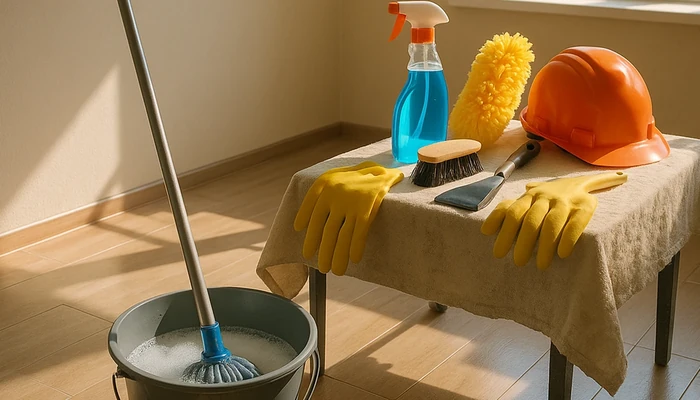
Post-construction environments require the right cleaning arsenal. Using appropriate tools ensures surfaces are treated correctly and prevents damage.
- HEPA-filter vacuums for capturing fine dust
- Microfiber cloths for dusting and wiping
- Non-abrasive scrubbers and sponges
- pH-neutral cleaners suitable for various surfaces
- Protective gloves, safety goggles, and masks
- Extension poles and ladders for high spots
Eco-Friendly Product Choices
For environmentally conscious clients, look for products certified by reputable agencies, such as those listed by the EPA Safer Choice standards. These help minimize exposure to harsh chemicals in a newly finished environment.
Health and Safety Precautions in Post-Construction Cleaning
Safety should be a priority in all phases of post-construction cleaning due to airborne construction dust, lingering fumes, and sharp debris. Implement these precautions:
- Wear PPE (personal protective equipment) at all times
- Ventilate the space thoroughly before and during cleaning
- Dispose of hazardous materials according to local regulations
- Keep pathways clear to prevent trips and falls
Managing Air Quality and Dust Control
Construction dust can cause respiratory issues if not managed:
- Use dust control barriers to section off cleaned areas
- Run air scrubbers or purifiers if available
- Clean HVAC grilles and change filters after job completion
Comprehensive Post-Construction Cleaning Checklist
| Area | Main Tasks |
|---|---|
| Floors (all types) | Sweep, vacuum, mop, remove adhesives, polish |
| Walls & Ceilings | Dust, remove marks/smudges, check for paint splatters |
| Windows & Glass | Wash panes, wipe frames, clean sills and tracks |
| Fixtures & Fittings | Polish doorknobs, handles, switches, and panels |
| HVAC & Vents | Dust grilles, replace filters, vacuum duct covers |
| Bathrooms | Sanitize tiles, sinks, toilets, mirrors, and floors |
| Kitchen | Clean cabinets, counters, appliances, backsplash |
| Common Areas | Remove debris, wipe surfaces, address stairways and hallways |
Special Considerations
- Remove all stickers, film, and tags from new fixtures and appliances
- Inspect and clean light fixtures and ceiling fans
- Wipe down doors, door frames, and closet interiors
- Clear out all cabinets and drawers, removing sawdust or packaging residue
Comparing DIY vs. Professional Post-Construction Cleaning
While some property owners consider post-construction cleaning a DIY project, the complexity and labor involved often call for specialty providers. Comparing approaches can help clarify your decision:
- Equipment: Professionals use industrial-grade tools and advanced PPE; DIYers may rely on household products.
- Results: Cleaning teams follow detailed protocols and checklists, catching hidden dust and debris.
- Efficiency: Experienced cleaners handle tasks quicker and spot potential issues early.
- Risk Mitigation: Professionals carry insurance and follow regulatory standards for waste and safety.
When DIY Might Be Sufficient
- Small projects with minimal dust or debris
- Spaces that will undergo additional finishing work
- Property owners experienced in construction site cleaning
Decision Framework: Selecting a Post-Construction Cleaning Partner
Choosing the right cleaning provider influences health, safety, and the longevity of your property. Use the following framework to evaluate candidates:
- Expertise: Do they specialize in post-construction cleaning? Do they provide itemized checklists?
- Training & Safety: Is staff trained in PPE, hazardous material handling, and equipment safety?
- References & Reviews: Are there positive testimonials from similar projects?
- Insurance & Compliance: Is the company insured and compliant with local disposal laws?
- Transparent Pricing: Are quotes detailed and fair, with no hidden fees?
- Sustainability: Do they offer environmentally responsible cleaning options?
Red Flags to Watch For
- Lack of written processes or checklists
- Pressure to skip final walkthroughs or inspections
- Vague pricing or inconsistent communication
Key Differences Across Cleaning Service Types
Post-construction cleaning is often grouped with other professional services, but it features critical distinctions compared to recurring residential, move-out, or deep cleaning:
- Residue Removal: Focus on adhesives, caulk, paint, and builder debris
- Timing: Performed immediately after work completion
- Technician Training: Staff must be familiar with construction hazards
- Disposal Requirements: Follows building and environmental regulations
- Scope: Covers every new or affected surface—not just high-traffic areas
Hygiene, Allergen, and Air Safety Considerations
Construction dust often contains fine particulates, allergens, and chemical residues. Thorough removal is vital for allergy sufferers, children, pets, and anyone sensitive to indoor air quality. Professionals pay close attention to ventilation, dust control, and the proper disposal of wipe-down materials. After a cleaning, always run the space’s HVAC system with a new filter to clear remnant particles.
Managing Disposal of Construction Waste Responsibly
Beyond visible cleaning, post-construction often leaves behind materials that need proper disposal. Responsible contractors and cleaning partners separate recyclables, hazardous substances, and general debris, then follow municipal waste management guidelines. For best practices on disposal, refer to resources from agencies and universities like the UC Berkeley Move-Out Housing Program for sustainable removal tips.
Checklist for Responsible Disposal
- Separate landfill waste from recyclables (wood, drywall, metal, glass)
- Identify hazardous substances and handle through approved channels
- Arrange bulk pickups or use certified disposal facilities
Pre-Occupancy Inspection: Ensuring Your Space Is Ready
Before handing off keys or opening doors to tenants, hosts, or employees, a thorough inspection is the final safeguard. This step can reveal overlooked areas or missed hazards. Inspectors or cleaning leads should check:
- Lofts, attics, crawlspaces, and closets
- High shelving and inside cabinets
- Mechanical rooms, water heaters, and utility spaces
- Appliance interiors (ovens, dishwashers)
Chicago-Specific Considerations for Post-Construction Cleaning
Local requirements in Chicago, Illinois, may impact how post-construction cleaning is completed. Some buildings or neighborhoods have regulations covering waste removal, use of elevators during cleaning, and specified disposal timelines. If you’re managing a project in Chicago, factor in:
- Building management or HOA cleaning requirements
- Local municipal waste schedules and restrictions
- Parking access for cleaning vehicles and debris pickup
Sample Timeline for a Post-Construction Cleaning Project
Every project is unique, but a well-structured plan can streamline the process. Here’s a high-level project timeline:
- Day 1: Debris removal, gross cleaning, and floor protection
- Day 2: Deep scrubbing of surfaces, windows, and fixtures
- Day 3: Final detailing, air quality review, and checklist walk-through
Larger homes, offices, or commercial spaces may require additional days or staged cleanings.
Integrating Post-Construction Cleaning with Other Services
For property managers, realtors, and business owners, integrating post-construction cleaning with other professional services can expedite property turnover:
- Move-out cleaning for tenants
- Periodic deep cleaning following construction
- Routine office or commercial maintenance
Real Case: Common Post-Construction Cleaning Challenges and Solutions
Case Example: A Chicago-based property manager scheduled cleaning after a condo renovation. On inspection, dust persisted on high vents and behind new appliances. The cleaning team brought in extendable HEPA vacuums and used high-dusting techniques in confined spaces, finishing with an air quality check. This approach ensured a safe, truly move-in ready environment.
How to Handle Hidden Problems
- Use inspection lights and mirrors for difficult angles
- Double-check under appliances and inside ceiling fixtures
- Address accidental residue from caulk, grout, or adhesives promptly
Expert Tips for Maximizing Post-Construction Cleaning Results
- Communicate with construction crews to determine final completion date
- Schedule a site visit for accurate cleaning quotes
- Request written checklists and proof of insurance from cleaning providers
- After cleaning, keep the space sealed until actual move-in
- Photograph the finished result for records or tenant move-ins
Frequently Asked Questions about Post-Construction Cleaning
- What is included in a professional post-construction cleaning?
- It typically covers dust and debris removal, surface cleaning, window washing, bathroom and kitchen detailing, fixture polishing, vent dusting, and final presentation touches.
- How long does post-construction cleaning take?
- It depends on property size and the extent of construction. A standard home may require 1–3 days, while larger or commercial spaces can take longer.
- Is post-construction cleaning safe for pets and children?
- Yes, provided all cleaning residues and debris are removed, and safe products (ideally certified by agencies like the EPA Safer Choice program) are used where possible.
- Should HVAC systems be cleaned after construction?
- Absolutely. Dust settles inside vents, lowering air quality. Always request vent vacuuming and a filter replacement.
- Do I need to be on-site during the cleaning?
- It’s not required, but a final walk-through at completion is recommended to verify work and results.
- How is construction dust different from household dust?
- Construction dust may contain fine particulates, chemicals, and allergens not commonly found in household dust, requiring more intensive removal techniques and protective measures.
- Can post-construction cleaning be performed before all work is finished?
- No—the space should be free from contractors and major work tools before final cleaning starts to ensure nothing is missed or recontaminated.
- How much does post-construction cleaning cost in Chicago?
- Costs vary based on size, complexity, and special requirements. Seek detailed quotes that include all surfaces and removal/disposal fees.
- What are some signs of a thorough post-construction clean?
- Spotless window tracks, no dust on top of cabinets or vents, perfectly clean baseboards and trim, and zero construction odors or residues.
- Are there green cleaning options for post-construction jobs?
- Yes, many professional companies offer eco-friendly services with approved products like those found on the EPA Safer Choice list.
Final Thoughts and Next Steps
Post-construction cleaning transforms chaotic finishes into inviting, healthy environments. Giving it the same attention as the build itself helps protect your investment, satisfy tenants or buyers, and ensures peace of mind. For Chicago homeowners, property managers, or business operators, a professional cleaning ensures everything is truly move-in ready and compliant with local guidelines. If you require recurring maintenance, deep cleans, or move-in/out support, explore CHI Cleaning Services’ range of solutions.
About CHI Cleaning Services
CHI Cleaning Services has extensive experience in delivering professional cleaning for homes, businesses, and specialized facilities across Chicago, Illinois and nearby areas. Our team follows strict quality standards, tailored checklists, and uses advanced cleaning products for recurring house cleaning, deep cleaning, move-out and move-in cleaning, as well as commercial and post-construction cleanup. We prioritize transparent communication, flexible scheduling, and client safety to help properties of all types stay clean, safe, and welcoming. Discover how CHI Cleaning Services can help you prepare your property for occupancy or protect your investment with consistently high cleaning standards.
cleaning service, after construction cleaning Palos Hills, after construction cleaning Bensenville IL, after construction cleaning Western Springs IL, new construction cleaning Niles IL, renovation cleaning Alsip IL, after renovation cleaning Washington, builders cleaning Riverwoods, builders cleaning Elgin IL, post construction cleaning Wilmette