 Skip to content
How to Prepare an Impeccable Dental Care Environment: Step-by-Step for Dental Practices
Creating a truly impeccable dental care environment is foundational to patient trust, safety, and the reputation of any Chicago dental practice. Whether you’re a practice manager overseeing several operatories or an office owner wanting to elevate standards, preparing an impeccable dental care environment demands precise protocols, smart workflows, and ongoing diligence. In this expert guide by CHI Cleaning Services, you’ll find a step-by-step roadmap for every aspect that matters: from high-impact cleaning routines to infection prevention, regulatory compliance, and what to look for in professional cleaning partners. Ready to transform your dental space into a model of safety and comfort? This post delivers practical checklists, critical decision points, and insights tailored to dental environments—no generic cleaning advice here.
Understanding the Pillars of an Impeccable Dental Care Environment
Dental offices have unique requirements compared to other clinics or commercial spaces. Prioritizing patient safety and infection control is not just a matter of compliance, but essential for quality of care.
- Cross-contamination prevention: Surfaces, tools, and air all present vectors.
- Stringent cleaning in treatment areas: Operatories, waiting zones, sterilization rooms.
- Attention to patient experience: Cleanliness is immediately visible to patients and builds trust.
- Staff diligence: Everyone, from clinicians to admins, plays a part in maintaining hygiene protocols.
By grasping these unique pillars, practices set a baseline for excellence.
The Gold-Standard Dental Cleaning Protocol: Operatories and Beyond
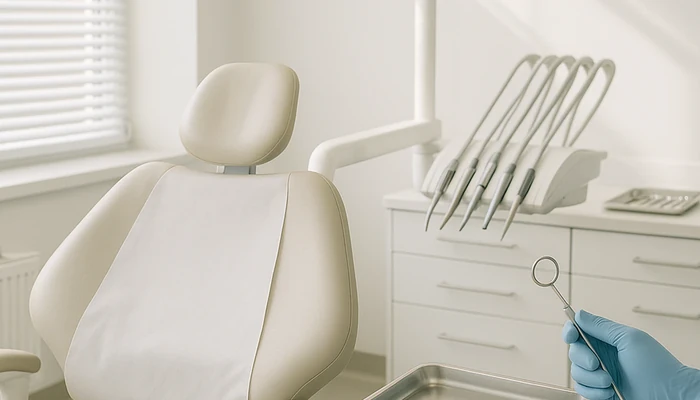
Operatories are the focal points of dental activity. Each cleaning cycle must meet or exceed industry standards and align with guidance from authorities like the CDC.
- Pre-treatment: Disinfect patient chairs, lights, counters. Inspect suction lines.
- Between patients: Remove and replace barriers, disinfect all high-touch surfaces.
- End-of-day: Full surface wipe-downs, flush waterlines, mop and disinfect floors, restock supplies.
- Weekly/Monthly: Deep clean air vents, inspect for mold or residue, audit supply cabinets.
Consistency is key: Use EPA Safer Choice disinfectants when possible (EPA Safer Choice).
Breaking Down High-Traffic Dental Zones: What Needs Extra Attention
Some areas demand heightened protocols and more frequent checks:
- Reception & Waiting Areas: Upholstery, touchscreens, magazines, beverage counters.
- Restrooms: Faucets, flush handles, soap dispensers, waste bins.
- Sterilization Room: Autoclave exterior, sinks, supply zones.
- Staff Rooms: Locker handles, kitchenettes, communal desks.
Implement a tracking system: Assign cleaning responsibilities and document frequency for each.
Dental-Specific Cleaning Agents and Equipment: Choosing the Right Supplies
Dental offices balance efficacy and safety—cleaners must eliminate pathogens but not damage equipment or affect air quality.
| Area/Item | Recommended Cleaning Agent | Frequency |
|---|---|---|
| Patient Chair | Intermediate-level disinfectant | After every patient |
| Light Handles | Disinfectant wipes | Between patients |
| Countertops | Surface-safe, EPA Safer Choice spray | Daily/min 2x |
| Floors | Mild detergent; no bleach | End-of-day |
| Impressions/Models | Specialty disinfectants only | As handled |
Maintain clear labelling for chemical storage, and always train staff before switching products.
Comprehensive Dental Cleaning Checklist for Daily and Weekly Routines
Daily
- Wipe and disinfect all high-touch surfaces between each patient
- Replace disposable barriers as required
- Sanitize door handles, phones, and switches
- Restock PPE and infection-control consumables
- Clean reception area and restroom fixtures
- Mop floors with approved solution
- Empty and disinfect waste bins
Weekly
- Deep clean staff and utility rooms
- Inspect HVAC vents for dust and mold
- Launder patient blankets/pillows as needed
- Audit inventory; ensure no expired supplies
Infection Control Protocols: Meeting CDC and OSHA Requirements
Regulatory compliance is mandatory—not just best practice. Main points for dental settings:
- Follow CDC healthcare cleaning guidelines for all clinical and shared spaces
- Enforce PPE for all clinical staff during cleaning and disinfection
- Use color-coded cloths and disposable products to avoid cross-contamination
- Maintain logbooks that document cleaning frequency and chemicals used
Schedule regular team huddles to review the protocols and introduce updates.
Optimizing Patient Experience Through Environmental Cleanliness
First impressions count—cleanliness enhances comfort and lowers anxiety. Immediate benefits include:
- A visually spotless waiting area and operatory builds patient trust
- Fresh scent (without overpowering chemicals) sets a positive tone
- No clutter or visible spills anywhere
Small investments in decor and routine cleaning pay dividends in patient satisfaction scores and reviews.
The Role of Staff Training: Building a Cleaning Culture in Your Dental Office
Effective protocols start with the team. Establish a structure for onboarding and continuous improvement:
- Train all new hires in core infection control and cleaning expectations
- Post cheat sheets and quick-reference checklists in key staff areas
- Schedule monthly refreshers or scenario-based drills
- Reward staff who contribute to a safe, clean environment with public recognition
Reminder: Supervisors should model ideal cleaning practices at all times.
Choosing Green and Sustainable Cleaning Methods for Dental Practices
Patients increasingly care about eco-friendly practices. Choose reforms that minimize chemical exposure:
- Adopt EPA Safer Choice-certified products where feasible (EPA Safer Choice cleaning agents)
- Implement microfiber cloth systems (reduce the need for sprays)
- Check ventilation to limit indoor air pollution from volatile compounds
Trading harsh chemicals for gentler alternatives is possible without sacrificing safety, when done with expert oversight.
Waste Management and Sharps Disposal: Minimizing Risks in Dental Offices
Safe, timely waste removal reduces infection risk. Dental settings may generate:
- General trash (paper, wrappers, etc.)
- Biohazard: gauze, gloves, patient bibs
- Sharps: needles, blades
Key protocols:
- Label bins clearly (biohazard vs. non-biohazard)
- Empty sharps containers before they are 3/4 full
- Train staff on spill response and needle-stick protocols
- Arrange for specialized disposal service pickup on a regular schedule
Patient and Staff Safety: Reducing Allergens and Airborne Threats
Dentistry involves aerosol production and close contact. Best practices include:
- Use of air purifiers with HEPA filtration in operatories
- Regularly replace HVAC air filters to maintain quality
- Eliminate dust-collecting decor and soft surfaces
- Review hand hygiene protocols for all staff and patients on entry
Customizing Cleaning Schedules: Adapting to Practice Size and Patient Volume
No single routine fits all. Considerations for schedule development:
- High-volume practices: zone cleaning multiple times per day, staggered by appointment flow
- Specialty rooms (pediatric, surgery): stricter protocols and added frequency
- Smaller offices: compact checklists but no shortcuts—risk of oversight is higher
Update schedules as your patient roster or staff levels change. Periodically reassess what works and what doesn’t.
Audit and Quality Control: Ensuring Compliance and Continuous Improvement
Even the best protocols fail without accountability. Effective practices:
- Surprise spot-checks by supervisors
- Quarterly third-party audits for compliance review
- Solicit feedback from staff and patients on cleanliness
- Document and address deficiencies promptly
Collaborating with Professional Cleaning Services: When to Bring in Experts
While much can be handled in-house, many dental practices in Chicago benefit from periodic deep cleaning by credentialed companies. Advantages include:
- Technicians trained in dental facility needs
- Advanced equipment for hard-to-reach areas
- Knowledge of the latest EPA and CDC standards
- Detailed reporting for compliance records
For flexible, recurring, or deep cleaning beyond daily staff capacity, consider Dental office cleaning or specialty options suited to your practice.
Integrating Technology: Tools and Innovations Elevating Dental Cleanliness
Modern dental offices adopt new solutions for efficiency and safety:
- UV-C disinfection units for rapid room turnaround
- Digital logbooks to track cleaning events and inventories
- Touchless dispensers for soap, sanitizer, or paper towels
- Electrostatic sprayers for hard-to-reach surfaces
Evaluate return on investment for new technology, considering your practice’s specific patient loads and facility design.
Checklist: Quick Review for Dental Practice Cleaning Success
- Every operatory and shared area cleaned between patients
- EPA-authorized disinfectants used per protocol
- Staff trained and retrained regularly
- All waste and sharps disposed of safely
- Audit results logged and reviewed monthly
- Emergency procedures posted and understood
FAQ: Preparing an Impeccable Dental Care Environment
How often should dental operatories be cleaned during the day?
Operatories should be thoroughly cleaned and disinfected between every patient, with additional cleaning at the end of each day.
Which disinfectants are safest for dental equipment and patient health?
Use only EPA Safer Choice products or those recommended for healthcare use; avoid harsh chemicals that can damage surfaces or affect air quality.
What documentation is required for compliance in dental cleaning?
Maintain logbooks recording cleaning frequency, agents used, and staff responsible. This supports CDC and OSHA audit requirements.
Are there eco-friendly cleaning options for dental practices?
Yes, EPA Safer Choice products and microfiber systems reduce environmental impact while maintaining high cleaning standards.
How can dental offices handle waste and sharps safely?
Clearly label and segregate waste. Use approved sharps containers and partner with certified disposal services.
How do you train new staff in cleaning protocols?
Combine written guidelines, visual checklists, and hands-on demonstrations during onboarding and provide regular refreshers.
Can practices outsource deep cleaning without disrupting operations?
Yes, schedule professional cleaning services outside office hours and communicate scope to minimize downtime.
What’s the difference between daily and deep cleaning in dental offices?
Daily cleaning covers high-touch and clinical areas, while deep cleaning targets ventilation, storage, and less-visible spaces on a scheduled basis.
How can audits improve dental care environment quality?
Audits identify missed areas or process gaps, helping teams address issues quickly and improve compliance over time.
Why is a visibly clean environment important for patient retention?
Patient perceptions of cleanliness directly affect trust, satisfaction, and their likelihood to recommend your practice.
Next Steps: Elevating Your Dental Practice’s Cleaning Protocols
Preparing an impeccable dental care environment is an ongoing commitment. By adopting the outlined protocols, maintaining thorough documentation, and engaging both your team and professional partners when needed, you create an environment that prioritizes safety, compliance, and patient satisfaction.
For clinics seeking expert support with recurring, deep, or specialized cleaning, explore Dental office cleaning or Office cleaning service to ensure your space exceeds patient—and regulatory—expectations.
About CHI Cleaning Services
CHI Cleaning Services helps households and businesses in Chicago, Illinois and nearby areas keep their spaces clean and healthy. With expertise in dental office, recurring house cleaning, deep cleaning, move out cleaning, office, and special facility cleaning, CHI Cleaning Services delivers consistent results through professional products, checklists, and a highly trained team focused on quality, safety, and transparent customer communication.
cleaning service, dental office cleaning chicago, dental office cleaning near me, dental clinic cleaning Vernon Hills, dental clinic cleaning Markham, dentist office cleaning Hammond IL, dentist office cleaning Highland Park IL, dental clinic cleaning Bensenville, dental practice cleaning Monee, dental office cleaning in Alsip
