 Skip to content
The Critical Relevance Of Hygienic Floors In Nurseries
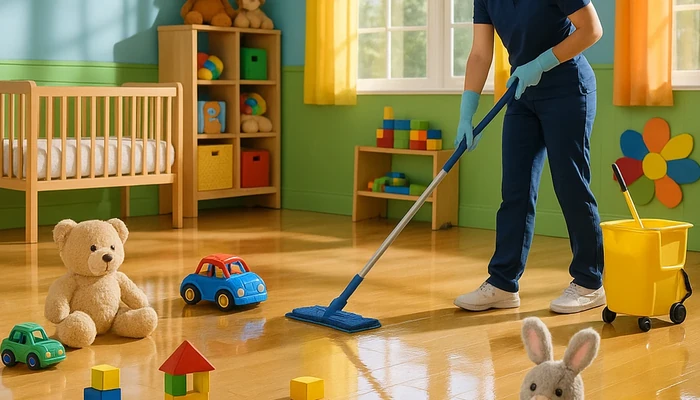
Nurseries are unique environments where young children grow, explore, and play—often in close contact with the floor. In these spaces, the relevance of hygienic floors in nurseries cannot be overstated. Ensuring that floors remain clean and free from harmful microbes is central to promoting good health, reducing infection spread, and creating a secure environment. Whether you operate a daycare, manage a preschool, or are a parent evaluating different childcare options, this guide delivers a comprehensive perspective on why hygienic flooring matters, how best practices protect children and staff, and which cleaning strategies uphold rigorous standards. Drawing on authoritative sources and the professional experience of CHI Cleaning Services, you’ll find actionable information specific to the needs of nurseries.
Nurturing Health: Why Floors Are Central To Nursery Hygiene
Floors in nurseries are not mere surfaces—they are high-contact zones where spills, crafts, and playtime converge. Children’s frequent hand-to-floor and object-to-mouth interactions make floors a potential vector for germs. Inadequate cleaning can elevate risks of respiratory illnesses, stomach bugs, allergies, and skin irritations. Prioritizing the hygiene of these surfaces directly impacts the well-being of every child.
- Respiratory and skin health: Clean floors limit the build-up of dust, mold, and irritants.
- Infection control: Routine sanitation disrupts the transmission chain for common pathogens.
- Allergen reduction: Timely removal of dirt, pollen, and dander decreases allergic reactions.
Understanding Germ Transmission In Nursery Settings
Young children are especially susceptible to infectious agents due to developing immune systems. Floors can become hotspots when bodily fluids, food crumbs, or outdoor debris accumulate. Contaminants are transferred through crawling, toy sharing, or simply by natural mobility. Effective cleaning routines targeting these vulnerabilities play an essential role in day-to-day nursery risk management.
- Viruses such as norovirus and respiratory syncytial virus (RSV) can survive on surfaces for hours or days.
- Bacteria including E. coli and Staphylococcus can establish colonies in damp dust.
- Fungal spores and allergens flourish in hidden floor crevices without adequate cleaning.
Staying informed about emerging threats and following up-to-date infection prevention guidance is key to protecting young children and staff.
Types Of Nursery Flooring And Their Hygienic Implications
The choice of floor material has a direct impact on how contaminants collect and how cleaning must be performed. Nurseries typically use:
- Vinyl or Safety Flooring: Water-resistant, non-porous, and easy to disinfect.
- Linoleum: Natural but requires regular sealing to prevent absorption.
- Rubber: Offers shock absorption but can harbor bacteria if seams and edges aren’t maintained.
- Carpeting or Rugs: Provides comfort but requires frequent deep cleaning and allergen interventions.
- Hardwood: Less common, but needs careful maintenance to avoid gaps where dirt accumulates.
Note: Each flooring type influences cleaning protocol and should be selected based on both durability and ease of sanitation.
Establishing Daily Hygienic Floor Maintenance Frameworks
Effective daily floor cleaning in nurseries follows structured routines and a clear division of responsibility. The goal: prevent hazardous build-up before issues occur.
- Daily Sweeping and Vacuuming: Removes surface dust, debris, and allergens.
- Spot Cleaning: Immediate attention to spills, bodily fluids, and art supplies.
- Mopping with Disinfectant: Use standardized cleaning protocols and child-safe products. Always record cleaning times and responsible parties.
- Inspection: Supervisors should regularly check edges, corners, and mats for hidden messes.
Consistency is key. Staff should receive regular training aligned with guidelines from sources like the Association for Professionals in Infection Control and Epidemiology.
Advanced Disinfection: Periodic Deep Cleaning Strategies
Routine cleaning alone is not enough in high-traffic nursery environments. Deep cleaning protocols should be scheduled weekly or monthly to remove embedded soils, biofilms, and pathogens. Tasks include:
- Shampooing carpets or steam cleaning rugs
- Scrubbing and disinfecting all baseboards and corners
- Rotating play mats for individual cleaning
- Applying hospital-grade disinfectant solutions (child-safe and compliant with facility regulations)
- Documenting each session and corrective actions for problem spots
Periodic professional cleaning ensures overlooked contaminants are managed and facility reputation is protected. For those seeking more detail on the advantages of hiring professional support, see Advantages of Opting for Specialty Commercial Cleaning Services.
Preventing Cross-Contamination During Floor Cleaning
Proper protocols prevent spread of germs from one area (e.g., restrooms) to another (e.g., playrooms):
- Use color-coded mops and buckets specifically assigned to zones (restrooms, food prep, activity rooms).
- Change cleaning solutions frequently, never re-using mop water between rooms.
- Sanitize equipment (mop heads, cloths) after each use.
These steps—required by infection control standards—should be embedded in staff habits and cleaning schedules.
Managing Bodily Fluid Spills With Proper Procedures
In nurseries, accidents are inevitable. Spills involving vomit, urine, feces, or blood must be handled with urgency and best practice. A structured response includes:
- Isolate the affected area and keep children away.
- Put on disposable gloves and any other required PPE.
- Blot and remove visible material.
- Apply an approved disinfectant, following the manufacturer’s surface contact time.
- Discard all soiled cleaning supplies safely.
- Hand-washing and documentation.
Staff must be trained on regulatory compliance (refer to IICRC S100 cleaning standards) to ensure safe return to use.
Allergen and Asthma Control Through Effective Floor Cleaning
Floor hygiene in nurseries extends to controlling triggers for children with allergies and asthma. Cleaning addresses:
- Pollen, mold, and pet dander tracked in from outdoors
- Dust mite populations in carpets and mats
- Cleaning product residues that could irritate airways
Focus on
frequent vacuuming with HEPA filters, damp mopping to contain dust, and use of fragrance- and dye-free cleaning agents. To understand more about the role of regular cleaning in health, explore Benefits of Regular Cleaning in Rented Properties.
Slip-Resistance, Safety, and Accident Prevention on Nursery Floors
Beyond microbes, hygienic floors also support physical safety. Child-focused facilities address:
- Prompt removal of spills and slippery residues after activities or meals
- Routine checks for loose tiles, uneven surfaces, or torn mats
- Selection of slip-resistant flooring materials and appropriate mat placement
Integrate daily safety walkthroughs and document all corrective measures. Consistent protocols inhibit both biological and physical risks.
Documentation and Compliance with Cleaning Standards
Nurseries must follow strict regulatory and accreditation requirements for cleaning. Maintaining detailed cleaning logs, incident records, and periodic inspection reports demonstrates due diligence and supports staff accountability. Review best practice guidelines at APIC’s Prevention Strategist and IICRC S100.
| Area | Task | Time | Staff Initials | Notes |
|---|---|---|---|---|
| Infant Room | Disinfect mop, edges cleaned | 09:00 | AB | All clear |
| Playroom | Vacuum rug, spot clean paint | 11:00 | CD | Follow-up needed for stain |
| Dining Area | Damp mop, change solution | 13:00 | EF | Spill managed promptly |
Checklist for Hygienic Nursery Floor Management
- Review floor type and inspect for damage or hidden soil daily
- Perform sweep/vacuum, then mop/disinfect on a set schedule
- Address spills immediately using PPE and proper disposal
- Sanitize mats and rugs separately; deep clean regularly
- Use only facility-approved, child-safe cleaning products
- Rotate cleaning supplies/equipment by zone to prevent cross-contamination
- Record actions in cleaning logs and report incidents as required
- Train all staff in hygiene standards and safe handling
Choosing the Right Cleaning Solutions and Equipment for Nurseries
Not all cleaning agents are suitable for nurseries. Prioritize the following:
- Products labeled safe for children; avoid harsh chemicals where possible
- EPA-registered disinfectants with proven efficacy against common germs
- Mops and vacuums designed for healthcare or childcare environments
- HEPA filters for vacuum cleaners
Staff must stay updated on any changes in product usage instructions and re-train as guidelines evolve. For more on best practices, see Essential Equipment to Achieve a Thorough Cleanup and Mastering Professional Cleaning Techniques.
Training And Accountability In Nursery Cleaning Teams
Quality cleaning in nurseries starts with trained, accountable personnel. Effective programs ensure every staff member:
- Can identify high-risk areas and appropriate responses
- Understands cross-contamination prevention
- Uses PPE properly and disposes of waste correctly
- Documents activities and adheres to inspection schedules
- Is prepared for audits or spot checks
Regular refresher training and open communication support strong hygiene culture and compliance.
Integrating Professional Cleaning Services In Nursery Settings
Outsourcing deep cleaning to specialists delivers the consistency, expertise, and reporting required by modern nurseries. Established cleaning partners know:
- How to tailor protocols for different flooring types
- The regulatory requirements specific to Chicago and Illinois
- How to use professional-grade, safe cleaning agents
- Ways to assist with ongoing staff education
If your facility is seeking reliable support for routine or specialized sanitation, Education facility cleaning and Daycare cleaning services from locally experienced teams can be an effective solution. For all-in-one help, you can contact CHI Cleaning Services for a no-obligation assessment.
Case Studies: Real-World Benefits Of Meticulous Floor Hygiene
- Daycare chain in Chicago: After switching to a color-coded mop and logbook system, staff absenteeism due to illness dropped and parents reported increased satisfaction.
- Neighborhood preschool: Implemented quarterly deep cleans and allergen-reduction protocols, resulting in decreased incidences of asthma attacks among children.
- Multi-purpose nursery: Integrated professional cleaners for steam cleaning and annual audits, passing all state health inspections without remediation for four consecutive years.
Linking Floor Hygiene To Broader Nursery Cleanliness Goals
Clean floors alone are not enough. True hygiene in nurseries relies on integration with:
- Air purification and ventilation checks
- Restroom and kitchenette cleaning routines
- Sanitizing high-touch surfaces (door handles, toys, storage bins)
- Safe waste management and handwashing policies
For a bigger-picture approach to cleaning in children’s spaces, visit Complete Protocol for Hygiene in Children’s Centers.
Frequently Asked Questions: Hygienic Floors in Nurseries
- How often should nursery floors be disinfected?
- Floors should be disinfected daily, with high-traffic areas spot-cleaned as needed and deep-cleaning scheduled weekly or monthly based on usage.
- What types of floor cleaners are safe for children?
- Choose disinfectants labeled safe for children’s facilities, ideally fragrance-free and compliant with EPA standards. Always follow application instructions for dwell time and ventilation.
- Are carpets acceptable in nursery settings?
- Carpets can provide comfort but require frequent vacuuming with HEPA filters, regular steam cleaning, and prompt action on spills to prevent microbial and allergen build-up.
- How can slips and falls be prevented?
- Rapid spill response, selection of non-slip flooring, routine surface inspections, and the removal of loose items all help minimize fall risks.
- Is professional cleaning necessary if nursery staff clean daily?
- Professional routines complement daily cleaning by addressing deep-seated soils, offering compliance reporting, and using advanced techniques or products that staff may not have access to.
- How do nurseries verify that proper hygiene standards are maintained?
- Through cleaning logs, periodic audits, regulatory inspections, and by following state/local childcare sanitation guidelines.
- Which cleaning tasks carry the highest risk of cross-contamination?
- Tasks involving restrooms, bodily fluid spills, and moving equipment between zones without proper cleaning protocols.
- Can eco-friendly products ensure effective disinfection?
- Certain eco-friendly products are effective, but verify that they meet EPA disinfection standards relevant to childcare environments before use.
- What sort of training should nursery cleaning teams have?
- Teams should be trained in infection control, safe chemical use, cross-contamination prevention, equipment handling, and documentation practices.
- How should cleaning be adapted for outbreak situations?
- Increase frequency, use higher-efficacy disinfectants, intensify spot cleaning, and update policies per public health guidance.
Maintaining Hygienic Floors in Nurseries: Next Steps
Safe, hygienic floors are not just a regulatory requirement—they are a cornerstone of healthy, thriving nursery environments. Facilities that implement structured routines, detailed documentation, and periodic professional cleaning not only protect the children in their care but also gain the trust of families and local authorities. For Chicago nurseries seeking tailored support or inspection-ready cleaning protocols, work with proven partners like CHI Cleaning Services to raise your standards further.
About CHI Cleaning Services
CHI Cleaning Services is a trusted provider of residential and commercial cleaning in Chicago, Illinois and nearby areas. We specialize in recurring house cleaning, deep cleaning, move out cleaning, office cleaning, and cleaning for specialized facilities such as nurseries and education centers. Our trained staff use industry-approved equipment and cleaning agents suitable for all nursery floor types, adhering to strict quality and safety standards. We offer transparent communication, clear pricing, and a commitment to long-term relationships focused on your facility’s health and reputation. CHI Cleaning Services helps households and businesses in Chicago and beyond keep their spaces clean, healthy, and compliant with the latest best practices.
cleaning contractors, commercial cleaning chicago il, business cleaning services, commercial cleaning in Bolingbrook, Monee commercial cleaning companies, commercial cleaning in Waco, Glencoe commercial cleaning, South Loop commercial cleaning companies, commercial cleaning companies in Crest Hill IL, commercial cleaning Riverwoods
