
Removing Construction Dust In Environmentally Friendly Ways: A Practical Guide
After construction or renovation, lingering dust settles into every corner and crevice. But many standard cleaning methods can expose your home or business to harsh chemicals, and excessive dust presents health and environmental risks. Removing construction dust in environmentally friendly ways is essential if you want a safe, fresh, and sustainable space. This guide from CHI Cleaning Services explains the full process: why eco-friendly dust removal matters, how to prepare, what products and equipment to use, and, step-by-step, how to achieve a thorough, responsible clean for homes, offices, and commercial spaces in Chicago and beyond.
Understanding the Hidden Risks of Construction Dust
Construction dust isn’t just a nuisance—it can contain fine particulates, silica, drywall compounds, and even trace metals. Inhaling dust can trigger allergies, asthma, and long-term respiratory issues. Children, pets, and sensitive adults are especially vulnerable. Plus, dust can settle on electronics, furniture, and fabrics, decreasing their lifespan. Choosing eco-friendly removal methods means prioritizing both environmental safety and your indoor air quality.
- Raises airborne particulate levels
- Can contain hazardous minerals and volatile organic compounds (VOCs)
- Harms HVAC efficiency by clogging filters
- Damages surfaces and finishes if not promptly and gently removed
Environmental Impact of Conventional Cleaning
Traditional cleaning products and processes may release toxic fumes or microplastics, contributing to water and soil pollution. Disposable wipes, plastic bags, and non-biodegradable cloths also add waste. That’s why eco-friendly alternatives matter—every sustainable choice counts.
Assessing Your Space: Identifying Where Construction Dust Accumulates
Before you start cleaning, inspect which rooms and surfaces collected the most dust. Construction dust can embed into:
- Walls, ceilings, light fixtures, and vents
- Window frames, ledges, and sills
- Floors (hardwood, tile, carpet)
- Baseboards, trim, and molding
- Cabinet interiors and countertops
- HVAC filters and ducts
Checklist for High-Risk Dust Hotspots
- Check air vents and return ducts for dust build-up
- Open drawers and cabinets to check settled particles
- Inspect behind appliances and under furniture
- Look at window treatments: blinds, curtains, and shades
Make a list of these spots—targeting the worst first makes the rest of the job smoother.
Preparation: Setting Up Environmentally Safe Cleaning Conditions
A successful eco-friendly cleaning starts with good preparation:
- Ventilate: Open windows and, if weather permits, use fans to direct air out, not in.
- Protect delicate items: Cover electronics, plants, and upholstery with washable cloths.
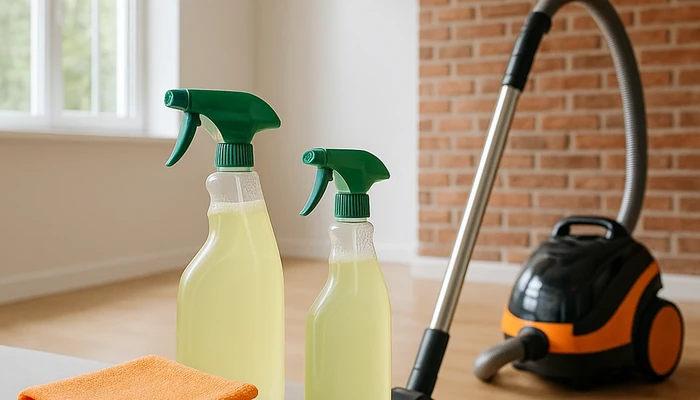
- Choose reusable cleaning supplies: Microfiber cloths, mop heads, buckets, and sponges.
- Gather eco-certified cleaning solutions: Look for Green Seal, EPA Safer Choice, or homemade mixtures (see section below).
- Wear personal protection: Use a reusable, washable mask if you have respiratory sensitivities.
This preparation stage helps ensure you capture dust without recirculating it—and without resorting to disposable, wasteful tools.
Step-By-Step Process for Removing Construction Dust Sustainably
Follow this sequence for the most thorough, planet-friendly results. Adjust as needed for homes, apartments, Airbnb properties, or offices.
- Dry dusting top-down: Use a slightly damp (not soaked) microfiber cloth to trap, not stir up, loose dust from ceilings, walls, fixtures, and ledges. Avoid feather or synthetic dusters—they often make particles airborne.
- Wet wipe with eco solution: Prepare a bowl of warm water and biodegradable cleaner. Wipe down hard surfaces again to remove any residue.
- Vacuum using HEPA filtration: Use a vacuum with a true HEPA filter (see technical resources from ASHRAE) and go over floors, carpets, and upholstery. HEPA filters trap particles as small as 0.3 microns.
- Mop hard floors: Use a reusable mop with a non-toxic, biodegradable solution. Make at least two passes; rinse mop heads frequently.
- Replace or clean HVAC filters: After all visible dust is removed, change or wash HVAC filters for improved air quality.
This systematic process reduces cross-contamination, conserves water, and uses minimal chemicals.
Comparison: Eco-Friendly Versus Conventional Dust Removal
- Eco-friendly tools: Microfiber cloths, HEPA vacuums, certified green solutions
- Conventional tools: Single-use wipes, standard vacuums, ammonia-based cleaners
- Eco results: Less waste, safer for kids and pets, lower VOC emissions
- Conventional results: Faster disposal, but higher environmental impact and possible health risks
Choosing Sustainable Cleaning Products for Dust Removal
Many retail “green” cleaners really just contain diluted chemicals. Look for these criteria instead:
- Third-party certifications: Green Seal, EPA Safer Choice, Ecolabel
- Biodegradable ingredients: Plant-based surfactants, natural fragrances
- Low-VOC or fragrance-free: Reduces indoor air pollution
- Concentrates or refillable bottles to cut packaging waste
DIY Eco-Friendly Cleaning Solutions
- All-purpose spray: 1 cup distilled vinegar + 1 cup water (optional: a few drops of natural essential oil)
- Granular scrub: Baking soda for tough surfaces
Avoid anything with chlorine bleach, ammonia, or synthetic dye. Test new products on a hidden area first.
Using HEPA Filtration and Advanced Dust Control Equipment
For true eco-effectiveness, equipment matters as much as cleaning solutions. HEPA filtration traps dust that can escape standard vacuums.
- Use HEPA-filtered vacuums—rated to remove 99.97% of particles ≥0.3 microns
- Consider adding a portable HEPA air purifier during and after dust removal for persistent airborne particles
For technical standards, see ASHRAE’s official guidance on filtration and disinfection.
Table: Comparing Dust Control Technologies
| Technology | Main Benefit | Eco-Friendliness | Common Use |
|---|---|---|---|
| HEPA vacuums | Captures smallest dust particles | Reusable filter + low emissions | Floors, upholstery, air vents |
| Microfiber cloths | Traps dust without chemicals | Washable and long-lasting | Hard surfaces, electronics |
| Disposable wipes | Convenient, quick cleanups | High waste—avoid for eco use | Not recommended |
| Air purifiers | Removes airborne particulates | Reusable, durable | After major cleaning |
Practical Checklists for Eco-Friendly Dust Removal
Keep these quick-reference lists on hand during your cleaning:
- Use color-coded microfiber cloths to prevent cross-contamination
- Switch to reusable mops and washable sponges
- Avoid disposable paper towels whenever possible
- Discard vacuum bags/contents responsibly—don’t empty into storm drains
- Store open cleaning solutions safely, away from pets and children
Consider documenting the process for rental properties or Airbnb turnarounds as proof of a responsible clean.
Special Considerations: Apartments, Offices, and Airbnb Properties
Different property types present unique challenges. Here’s how to adapt eco-friendly dust removal methods for each:
Apartment and Condo Units
- Work with building management to coordinate common area ventilation
- Pace cleaning to avoid disturbing neighbors with noise or odors
- Use compact equipment suitable for elevators and small spaces
Office and Commercial Spaces
- Schedule off-hours or weekends to minimize workplace disruption
- Focus on shared spaces—conference rooms, restrooms, entryways
- Document cleaning for tenant and regulatory requirements
Airbnb and Short-Term Rentals
- Prioritize bedrooms, bathrooms, and kitchen surfaces for rapid turnover
- Provide proof of green cleaning for guests upon request
For complex environments or tight deadlines, professional cleaners with sustainable practices may be the best choice. See the post-construction cleaning page for service details.
Handling and Disposing of Construction Dust Safely
Even with eco-friendly cleaning, where you dispose of dust and debris matters. Never rinse dust-laden water down storm drains; use:
- Dedicated bags for vacuum contents—seal, then dispose in regular waste per local regulations
- Laundry for reusable rags and mops (hot water, eco detergent)
- Bulk debris disposal for larger waste (see this guide on responsible waste disposal)
Check EPA resources for your region for Chicago-specific disposal rules.
Ventilation Strategies During and After Cleaning
Natural ventilation is the best means for reducing residual dust and chemical odors. Safe methods include:
- Opening windows on opposite sides to create cross-breezes
- Using box fans to direct air outdoors
- Running HVAC briefly after changing filters to remove leftover airborne particles
Avoid using strong artificial air fresheners—they often mask rather than fix air quality issues and may introduce new chemicals.
Stubborn Residue: Eco Methods for Tackling Tough Dust Layers
Some construction residue—like dried drywall dust or paint overspray—can be persistent. Safe, green ways to tackle:
- For fine dust on hard surfaces: Repeated gentle wiping with damp microfiber (never scrub aggressively)
- For sticky spots: Mild, diluted dish soap plus soft scrubbing pad
- On glass: Vinegar-water mix with lint-free cloths
- Use a soft-bristle brush for grouted tiles or brick (vacuum afterwards)
Always work in small sections and dry surfaces promptly after cleaning to deter mold.
Post-Clean Air Quality: Monitoring and Maintenance
After cleaning, verify that the air is safe—especially in newly renovated, inhabited spaces. Tips:
- Use a portable air quality monitor to check for PM2.5 and VOCs
- Run HEPA air purifiers for at least 12–24 hours after major cleaning
- Encourage fresh airflow for several days post-clean
Regularly maintain filters and clean surfaces to minimize future dust build-up.
When to Hire Professionals for Eco-Friendly Dust Removal
If you face hazardous dust (e.g., silica, lead paint, or heavy particulate fallout) or lack pro-grade equipment, consider hiring experts. Professional companies like CHI Cleaning Services use green-certified methods and industrial HEPA machines for the safest, most complete clean.
- Advantages: Specialized equipment, bundled waste removal, expert air quality management
- Scenarios: Large jobs, complex properties, OSHA-regulated spaces
For ongoing property or office cleaning needs, see our Office cleaning service and Airbnb turnover pages for more options.
Eco-Friendly Cleaning: Real-World Examples and Success Stories
Case 1: A townhouse renovation in Chicago used only microfiber cloths, vinegar, and a HEPA vacuum—removing over 90% of airborne dust within 24 hours, while generating zero disposable waste.
Case 2: A dental office post-remodel limited product use to EPA Safer Choice certified cleaners, scheduling cleaning after hours to allow for extended ventilation, thus preventing dust infiltration into sensitive equipment.
Case 3: An Airbnb host provided a list of green cleaning products used for their post-construction deep clean, attracting eco-minded guests and earning positive reviews.
Integrating Eco Practices Into Recurring Cleaning Routines
Maintaining a dust-free, healthy space requires regular attention, especially after renovations. Build these into your schedule:
- Repeat a top-down dusting and HEPA vacuuming routine every 2–4 weeks post-renovation
- Rotate cleaning products—never let supplies expire or degrade
- Check HVAC filters monthly for several months after construction
- Educate household or office staff about green cleaning best practices
For deep, scheduled cleans or move-out turnover, see the professional deep cleaning page.
Choosing the Right Eco-Conscious Cleaning Company
Not all cleaning companies prioritize sustainability. Here’s what to look for:
- Clear disclosure of green cleaning practices and product lists
- Use of HEPA filtration and reusable supplies
- Certifications such as Green Seal or proof of sustainable training
- Transparent pricing and communication about scope of clean
- Client reviews mentioning environmental focus
For questions about post-construction projects or routine care, contact CHI Cleaning Services for personalized recommendations.
Answers to Common Questions About Green Dust Removal
How soon after construction should I begin cleaning?
Start as soon as all major work and dust-generating activities are complete and debris is removed. Prompt cleaning prevents dust from settling deeply into surfaces.
Can I use homemade cleaners for all surfaces?
Homemade solutions like vinegar and baking soda work well on many surfaces, but always check manufacturer recommendations before using on natural stone or specialty finishes.
Is renting a HEPA vacuum worth it for small spaces?
For a true eco-clean, yes—HEPA vacuums dramatically improve air quality and trap fine dust that escapes regular machines, even in apartments and condos.
What are signs my indoor air isn’t clean yet?
Look for visible dust motes, lingering odors, unusual allergies, or higher than normal readings on a PM2.5 air quality monitor.
Which green certifications matter when choosing cleaning products?
Look for Green Seal, EPA Safer Choice, or EU Ecolabel certifications for reliable eco-friendly effectiveness.
Is eco-friendly dust removal more expensive than standard cleaning?
Costs may be slightly higher due to equipment, but reusable supplies and safer environments often offset initial investments over time.
How do I dispose of used water and cleaning rags sustainably?
Launder rags in hot water with eco-detergent. Pour used water down a sanitary drain—not outdoors or in storm drains—to prevent runoff pollution.
Can professional cleaners guarantee all dust residue is gone?
No method is perfect, but companies using multi-stage HEPA filtration and thorough protocols can remove the vast majority—more than typical DIY.
Should I move back into my space immediately after post-construction cleaning?
It’s best to wait a few hours to allow residual airborne dust to settle and for continued ventilation to clear the air fully.
Do I need to clean again a week after construction?
A follow-up clean is often advisable, as dust may settle out of hidden crevices over several days post-renovation.
Conclusion: Take a Responsible Approach for Lasting Cleanliness
Removing construction dust in environmentally friendly ways requires mindful planning, the right products and equipment, and a commitment to health and sustainability. By following these expert-backed steps, you minimize environmental impact, protect your indoor spaces, and provide a safer setting for families, workers, or guests. For high-demand projects or specialty cleaning needs, trust experienced professionals to deliver both effectiveness and green standards.
About CHI Cleaning Services
CHI Cleaning Services helps households and businesses in Chicago, Illinois and nearby areas keep their spaces clean and healthy. Specializing in recurring house cleaning, deep cleaning, move out cleaning, office cleans, and special facility services, we combine trained staff, rigorous green protocols, and transparent communication for long-term client satisfaction. Our teams use professional equipment and eco-certified products appropriate for each project, ensuring attention to detail for a healthier home or business after construction or renovation. To request a cleaning plan that fits your property’s unique needs, contact CHI Cleaning Services today.
cleaning company in chicago, after renovation cleaning Morton Grove IL, after renovation cleaning Hannover Park IL, new construction cleaning Norridge, new construction cleaning Alsip IL, construction cleanup Highland Park IL, post construction cleaning Burr Ridge, new construction cleaning Countryside IL, construction cleanup Washington, dust removal cleaning Wllowbrook