Dental Clinic Cleaning: Essential Practices for a Hygienic, Trustworthy Practice
Meticulous cleanliness is not just a visual expectation in dental clinics—it’s a critical component of infection control, staff safety, and earning patient trust. With strict health standards and unique contamination risks, dental facilities need specialized cleaning protocols. This guide explores Dental Clinic Cleaning: Essential Practices, offering a clear framework for achieving hygienic, compliant, and welcoming dental environments. Whether you operate a busy practice, manage multiple facilities, or are researching cleaning partners, you’ll find actionable steps, comparison insights, and trustworthy guidance here. Chicago’s own CHI Cleaning Services brings local expertise to spotlight exactly what keeps dental spaces safe and sparkling—every single day.
Understanding Dental Clinic Contamination Risks
Sources of Germs Unique to Dental Clinics
- Aerosols from dental procedures settle on surfaces and equipment.
- Frequent contact with saliva, blood, and oral tissue increases pathogen loads.
- Shared touchpoints—chairs, handles, sinks—provide routes for cross-infection.
Why Standard Cleaning Isn’t Enough
Dental settings demand more than general office cleaning. Effective protocols address bioaerosols, complex instruments, and high patient turnover—requiring specialized disinfectants and timed interventions.
Critical Zones Demanding Focus in Dental Clinics
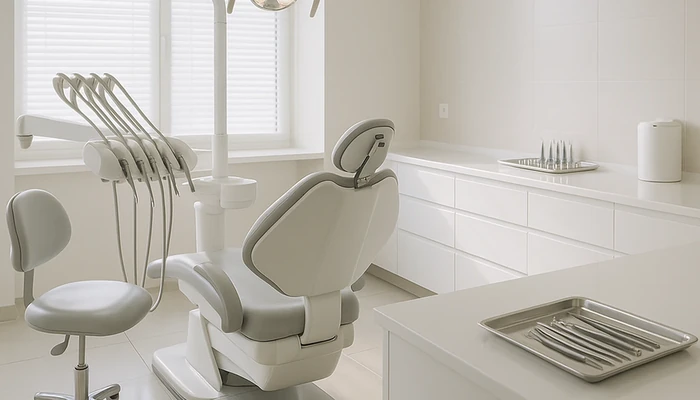
- Operatory areas: dental chairs, light handles, and X-ray equipment
- Sterilization areas: counters, sinks, autoclave exteriors
- Reception & waiting rooms: check-in counters, seating, toys/magazines
- Restrooms: faucets, flush handles, dispensers
- Staff workspaces: break rooms, lockers, shared keyboards
Identifying Touchpoints for Daily Disinfection
- Write out a daily list of every shared item or surface touched by patients and staff.
- Prioritize items in procedural areas for post-patient and post-procedure cleaning.
The Science of Infection Prevention in Dentistry
Chain of Infection: Interrupting Transmission
- Removing pathogens: Clean visible soil first, then disinfect.
- Reducing reservoirs: Between patients, focus on moist surfaces and equipment crevices.
- Protective barriers: Use single-use covers on complex electronics and hard-to-clean devices.
Surface Survival and Dwell Times
Dental pathogens can survive on plastic and steel for hours or days. Disinfectants require full wet contact time to deliver results—follow manufacturer instructions precisely.
Regulatory Standards for Dental Office Cleaning
Key Guidelines and References
- EPA guidance for health facility air quality—critical for dental offices with aerosol-producing procedures.
- AORN infection control protocols—industry best practices for procedural cleaning and disinfection.
OSHA and CDC Requirements
- Follow medical waste handling and biohazard disposal laws.
- Use EPA-registered, healthcare-approved disinfectants.
Daily, Weekly, and Deep Cleaning: Dental Clinic Schedules
| Frequency | Tasks | Zones |
|---|---|---|
| Every patient | Disinfect chair, instruments, touchpoints | Operatory |
| Daily | Mop, wipe counters, restock PPE, empty trash | All areas |
| Weekly | Clean vents, detail light fixtures, inspect upholstery | Operatory, waiting rooms |
| Monthly/As needed | Deep clean floors, launder curtains, check for mold | Entire facility |
Recordkeeping and Monitoring
- Maintain daily and weekly logs of cleaning tasks with staff initials.
- Document all solution batches and expiration dates.
- Audit logs monthly for missed or inconsistent entries.
Differentiating Dental vs. Medical Office Cleaning
- Dentistry involves more frequent aerosol generation and complex instrument handling than general clinics.
- Dental units require special attention to suction lines, air-water syringes, and operatory chairs.
- Waiting rooms often see higher turnover and multi-age visitors (kids, adults), impacting surface hygiene needs.
Dental Clinic Cleaning: Step-by-Step Protocol
Preparation
- Gather PPE: gloves, masks, eye protection.
- Assemble disposable wipes, EPA-approved disinfectants, and labeled waste bags.
Cleaning Sequence
- Remove and dispose of surface barriers.
- Clean visible debris and organic soil from surfaces.
- Disinfect from cleanest to dirtiest areas—lights, tray tables, then chair base, suction tubing, and floor.
- Let disinfectant dwell per label instructions; avoid pre-wiping.
- Spot check for missed stains or residue before preparing for the next patient.
Staff training: Use posted checklists and provide routine skills refreshers.
Essential Cleaning Equipment and Products for Dentistry
- Microfiber cloths: Trap more bacteria on smooth dental surfaces.
- Disposable wipes: Minimize cross-use contamination.
- EPA-registered disinfectants: Effective against viruses (HBV, HCV, HIV), bacteria, and TB.
- Aerosol cleaning systems: For air handling during and after procedures.
- Color-coded buckets and mops: Preventing infection spread by area.
Hazardous Material Handling
- Segregate sharps and biohazard waste in labeled containers.
- Never dispose of contaminated cloths with regular trash.
Establishing a Dental Clinic Cleaning Checklist
- Reception counters: disinfect after each shift
- Waiting room chairs: wipe twice daily, more during flu season
- Restrooms: check every 2 hours for supplies and spot cleaning
- Operatory handles, trays, lights: between all patients
- Sterilization area sinks: disinfect at shift start and end
- Floors: mop daily, with spot treatment for spills
- Computers/keyboards: wipe with alcohol pads daily
- Biohazard bins: empty and disinfect daily
Clinical Documentation and Staff Training for Cleaning
Why Documentation Matters
Meticulous records prove compliance with regulatory requirements and protect your practice in a health incident. Digital or paper logs should include:
- Date/time
- Location
- Task performed
- Initials of staff
- Comments on issues or supply shortages
Staff Training Content
- Proper PPE use and how to avoid breaks in barrier protection
- Stepwise instrument cleaning and equipment disinfection
- Spill and bloodborne pathogen response protocols
- Review and updates with regulatory changes (OSHA, CDC, EPA)
Choosing a Professional Dental Clinic Cleaning Provider
Key Evaluation Criteria
- Experience with medical environments, especially dental offices
- Customizable checklists for your practice’s unique risks and layout
- Availability for after-hours and same-day cleaning when needed
- Transparent communication and reporting
- Trained, background-checked staff
Comparing Cleaning Company Credentials
- Do they document all cleanings and offer regulatory audit support?
- Are their disinfectants EPA-registered for healthcare?
- Will they adapt to changes in your workflow or schedule?
For reliable, tailored options, see Dental office cleaning service or Medical office cleaning.
The Role of Air Quality and Ventilation
- Dentistry procedures generate aerosols that linger without proper ventilation.
- Regular cleaning of air vents, filtration units, and HVAC systems is crucial.
- Consult EPA guidelines on indoor air for effective air hygiene upgrades.
Regular evaluation of your clinic’s HVAC and vent cleaning is a powerful supplement to surface disinfection.
Best Practices for Preventing Cross-Contamination
- Use disposable barriers on electronics and hard-to-clean surfaces.
- Color-code cleaning equipment for operatories vs. common areas.
- Never transport soiled linens or waste through patient reception areas.
- Schedule detailed cleaning when the clinic is closed to avoid spreading contaminants.
- Ensure regular staff hand hygiene and PPE changes.
Following a strict separation protocol for clinical and non-clinical spaces will minimize infection spread throughout your facility.
Enhanced Disinfection Strategies During Outbreaks
- Increase the frequency of high-touchpoint and bathroom cleanings.
- Disinfect waiting rooms and doorknobs every 1-2 hours during heightened risk periods.
- Screen cleaning staff for symptoms and exposures per regulatory policy.
- Switch to stronger, short-contact-time disinfectants as recommended by CDC or local health authorities.
- Communicate your enhanced cleaning regimen to staff and patients for reassurance.
Inspection, Quality Control, and Reporting
Inspection Methods
- Supervisors should perform regular random checks after cleaning.
- Use UV light inspections to confirm disinfectant efficacy on critical equipment.
Reporting Issues and Corrections
- Maintain an issue reporting log for immediate responses to spills, contamination, or missed areas.
- Define escalation routes for persistent issues—maintenance, retraining, or outside audits as needed.
Coordinating Cleaning with Dental Practice Schedules
- Structure cleaning tasks around appointment flows to ensure no downtime between patients.
- For after-hours or deep cleanings, schedule in advance when the facility is empty.
- Accommodate emergency or post-procedure cleaning during days of high patient turnover, or after dental emergencies.
For flexibility, explore Same-day cleaning or Deep cleaning services as needed.
Communicating Cleanliness and Safety to Your Patients
- Post visible cleaning schedules at the entrance and in operatories.
- Include assurance signage stating adherence to CDC/EPA standards.
- Train front desk staff to communicate your practices to new patients at check-in.
- Offer printed checklists or links to your protocols for transparency and trust.
FAQ: Dental Clinic Cleaning Essential Practices
- What cleaning solutions are safe and effective for dental clinics?
- Use EPA-registered, healthcare-grade disinfectants proven effective against viral and bacterial pathogens common in dental environments. Always confirm solutions are compatible with your equipment.
- How often should dental clinics be cleaned throughout the day?
- Operatories require cleaning between every patient; restrooms and waiting rooms should typically be checked every 2–3 hours. Full facility cleaning is recommended at least daily.
- Who is responsible for daily cleaning: staff or professional cleaners?
- Routine between-patient cleaning is often performed by dental staff. However, professional cleaning partners handle daily deep cleaning, compliance-specific disinfection, and documentation.
- What documentation supports regulatory compliance?
- Maintain logs for each cleaning action, including the date, area cleaned, staff initials, and any issues like supply shortages or needed repairs. This documentation is key for audits and inspections.
- How do clinics keep air and ventilation free of pathogens?
- Regular maintenance and filter changes in HVAC systems reduce airborne pathogens. Scheduling routine vent and air handling unit cleaning, as outlined by EPA guidelines, is essential.
- Should dental clinics alter cleaning routines during outbreaks?
- Yes. Increase the frequency and thoroughness of cleaning in all public and patient-facing zones. Upgrade to disinfectants approved for emerging threats, following CDC or local guidance.
- Can we use the same products for sterilizing instruments and cleaning surfaces?
- No. Instrument sterilization and surface cleaning use separate products and processes due to different contamination and material risks. Follow manufacturer and regulatory recommendations.
- How can management assess the quality of their cleaning program?
- Conduct regular supervisor inspections, review documentation logs, solicit patient and staff feedback, and arrange occasional third-party audits for an unbiased view.
- What checklists support best practice cleaning in dental offices?
- Comprehensive daily, weekly, and monthly cleaning checklists specifying tasks for every area—from operatories and sterilization rooms to waiting areas and restrooms—are vital. These clarify staff responsibilities and ensure nothing is missed.
- Why choose professional cleaners with dental experience?
- They bring specialized knowledge of dental clinic hazards, regulatory protocols, and the unique needs of patient care areas—helping reduce liability, maintain compliance, and enhance patient trust.
Summary: Elevate Your Dental Clinic with Science-Backed Cleaning Practices
Consistent hygiene, structured protocols, and documentation are the pillars of a safe, trusted dental practice. This guide to Dental Clinic Cleaning: Essential Practices gives you the framework for infection prevention, regulatory compliance, and peace of mind for your team and patients. Take the next step: consult professional partners for complex or ongoing needs—and maintain transparency to build patient confidence.
About CHI Cleaning Services
CHI Cleaning Services is a trusted Chicago-based company, delivering comprehensive cleaning solutions for dental clinics, medical offices, and all residential and commercial environments. Our trained team follows strict checklists and regulatory standards to ensure safe, hygienic spaces for patients, staff, and visitors alike. We specialize in recurring house cleaning, deep cleaning, move out cleaning, office, and facility cleaning. CHI Cleaning Services helps households and businesses in Chicago, Illinois and nearby areas keep their spaces clean and healthy—with attention to detail, transparent communication, and flexible scheduling you can rely on.
Dental Office Cleaning Service Near Me, Chicago Cheap Cleaning Service, cleaning company in chicago, move out cleaners chicago, Reliable restaurant cleaners