
Cleaning Between Services at Chicago Churches Without Disrupting Volunteers: A Comprehensive Guide
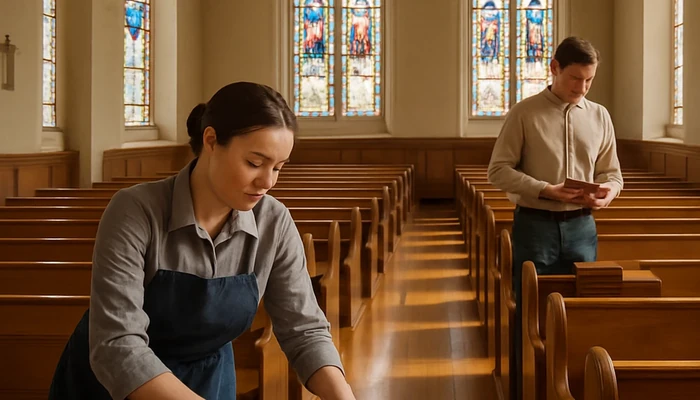
For churches in Chicago, maintaining a clean and safe environment is an ongoing commitment that becomes uniquely challenging during back-to-back worship services and community gatherings. Cleaning between services at Chicago churches without disrupting volunteers isn’t just about wiping surfaces—it’s about crafting efficient routines, respecting roles, and achieving high hygiene standards with minimal interference. In this thorough guide, you’ll gain actionable frameworks, proven checklists, and decision points to streamline cleaning between services while supporting both your congregation and your team of volunteers.
Understanding the Unique Rhythms of Church Activities in Chicago
Unlike single-use spaces, churches often host multiple activities back-to-back—worship, Sunday school, choir rehearsals, and community events. Each transition demands a tailored cleaning response to maintain cleanliness and safety, requiring close scheduling and minimal disruption for both worshippers and volunteers. In Chicago, these rhythms are often complicated by building layout, attendance fluctuations, and seasonal weather challenges. Recognizing these unique cycles is the foundation of an effective between-service cleaning plan that respects volunteer energy and congregational flow.
Mapping High-Priority Cleaning Zones Between Services
- Sanctuaries and pew seating (especially high-touch points like handrails and armrests)
- Entrances, lobbies, and vestibules
- Restrooms (mirrors, faucets, door handles, dispensers)
- Children’s rooms and nursery spaces
- Fellowship and coffee areas
- AV stations and podiums
- Elevators, stairwells, and common touch surfaces
Selecting priority zones enables teams to focus on critical areas, protecting health without overburdening volunteers or sacrificing overall facility readiness for the next service.
Timing Strategies: Synchronizing Cleaning and Volunteer Schedules
Successful cleaning between services at Chicago churches relies on pinpoint timing. Consider these approaches:
- Buffer Periods: Build 10–20 minute breaks between services to allow swift cleaning transitions.
- Staggered Volunteer Assignments: Organize cleaning shifts to complement, not overlap, other volunteer duties like greeters or ushers.
- Pre-Assigned Cleaning Roles: Identify reliable volunteers or staff for quick, consistent turnover jobs.
This coordination reduces hallway congestion, keeps cleaning discreet, and maintains a welcoming atmosphere between events.
Developing an Effective Cleaning Checklist for Church Turnover
Efficiency is rooted in routines. Here’s a model checklist for faster between-service cleaning (customize to your facility for best results):
- Disinfect commonly touched surfaces in the sanctuary (pews, doorknobs, light switches)
- Reset Bibles, hymnals, and pamphlets neatly
- Spot clean seats, tables, and classroom surfaces
- Empty trash bins, replace liners, and check recycling stations
- Tidy entryways and remove tracked-in debris or snow
- Disinfect high-use restroom surfaces; restock soap, towels, and tissues
- Check air purifiers or open windows for improved airflow
Clear, consistent checklists keep teams focused, ensuring that no hygiene-critical step is missed—even when time is short.
Key Roles: Delegating Duties Without Overloading Volunteers
| Cleaning Task | Ideal Assignee | Timing |
|---|---|---|
| Disinfecting pews/seating | Trained ushers or cleaning specialist | Immediately after congregants exit |
| Restroom resets | Designated facility volunteer | Start of buffer period |
| Entry & lobby reset | Hospitality team member | Concurrent with sanctuary cleaning |
| AV & podium wipe-down | Tech volunteer (with training) | Before new speakers arrive |
| Children’s rooms | Children’s ministry helper | When classes end, before next group |
Delegation based on roles ensures that important areas are cleaned by those who understand their function, improving both outcomes and volunteer satisfaction.
Selecting the Right Disinfectants and Supplies for Religious Facilities
Choosing appropriate products is crucial for both hygiene and safeguarding sensitive surfaces common in churches (e.g., wood pews, stained glass, brass fixtures). Opt for EPA-approved disinfectants that are effective but non-damaging (see EPA guidance for healthy indoor environments). Where possible, use fragrance-free or low-VOC cleaners to avoid discomfort for allergy-prone attendees or musicians.
Balancing Hygiene, Safety, and Sacred Space Considerations
Between-service cleaning at Chicago churches demands attention to both sanitation and spiritual ambiance. Protecting sacred items, minimizing chemical odors, and avoiding visible clutter is as important as keeping surfaces germ-free. Use quiet equipment and non-abrasive tools, and always store supplies discreetly when finished. Especially if cleaning extends into the nave or altar area, coordinate with clergy and communicate clearly about boundaries.
Special Protocols for Children’s Spaces and High-Risk Areas
Children’s rooms, nurseries, and fellowship halls often have elevated cleaning needs. Protocols should include:
- Extra disinfection of toys and play surfaces
- Immediate cleaning of spills (especially food or drink)
- Restocking hand sanitizer and tissues
- Checking diapering or restroom stations between uses
Adjust protocols for events with food, musical performances, or elderly populations, aligning with EPA’s indoor air and pest management resources for added safety.
Coordinating Professional Cleaning Support When Needed
Even with robust volunteer teams, special occasions (such as holiday services, funerals, or large events) may demand extra support. Professional cleaning companies bring:
- Access to advanced equipment (e.g., HEPA vacuums, electrostatic sprayers)
- Scheduled deep cleans before or after high-volume periods
- Specialized knowledge for removing salt, mud, or allergen buildup common in Chicago’s changing seasons
For ongoing needs or periodic deep cleaning, consider exploring Religious facility cleaning for a seamless experience.
Optimizing Air Quality and Ventilation Between Services
Good ventilation is vital, especially during times of increased illness transmission. Strategies include:
- Opening windows/doors briefly if weather allows
- Using portable air purifiers with HEPA filters
- Inspecting and maintaining HVAC systems regularly
Following EPA air quality protocols reduces airborne pathogens and supports healthy gatherings.
Checklist-Driven Turnover: A Real-World Schedule Example
Here’s a model turnover schedule for back-to-back church services, optimized from Chicago case studies:
- Congregation exits (5 mins)
- Immediate sanctuary wipe down by 2–3 people (5 mins)
- Restroom reset while sanctuary is cleaned (5 mins)
- Lobby and entry re-tidy (3 mins)
- Children’s area cleaned if used (7 mins)
- Hand sanitizer/paper supplies checked everywhere (3 mins)
- Break for volunteer handwashing and supply reset (2 mins)
This structured approach allows even small teams to meet high standards with minimal overlap between worship and cleaning teams.
Respectful Communication to Support Volunteer Efficiency
Volunteers thrive when expectations are clear and assignments are manageable. Best practices include:
- Printed cleaning checklists posted in supply rooms
- Verbal reminders before and after services
- Quick debrief after each turnover for improvements
- Recognition for quick, quiet, and thorough work
This creates a sense of accomplishment and ensures no task falls through the cracks.
Documenting and Adapting Cleaning Routines for Changing Church Needs
Every congregation’s flow evolves with seasons, attendance, and activities. Keep written records of what works and what doesn’t. Adjust staffing, lists, and protocols as situations require. When seasonal events arise—like festivals or special music programs—add temporary steps (e.g., extra entry mat cleaning, podium disinfecting), and solicit feedback from both volunteers and clergy to identify friction points.
Integrating Professional Standards Without Sacrificing Volunteer Spirit
Whether led by lay volunteers or supported by professionals, the most effective cleaning routines honor both best practices and the unique ethos of church service. Adapt commercial-grade protocols (as detailed in Cleaning Services: A Necessity Today) for scale and safety, while always respecting spiritual and community values.
Adapting to Health Crises and Special Circumstances in Chicago Churches
During outbreaks of influenza, norovirus, or other communicable diseases (including COVID-19), churches in Chicago should:
- Increase frequency of disinfecting high-touch surfaces
- Communicate enhanced protocols to all volunteers and congregants
- Supply extra hand sanitizer and signage about hygiene
- Consult reputable resources for updates and local recommendations (see EPA air quality pages)
Flexibility and transparent communication are key in maintaining both faith and health during challenging periods.
Ensuring Lasting Results: Periodic Deep Cleaning and Maintenance
Routine between-service cleaning is crucial, but churches also benefit from scheduled deep cleaning. Consider periodic services for:
- Carpet and upholstery shampooing
- Sanctuary and classroom floor treatments
- Restroom descaling and grout cleaning
- HVAC and duct cleaning (especially before/after winter)
For larger jobs, explore a deep cleaning service to ensure every area is cared for beyond routine turnovers.
FAQs: Cleaning Between Church Services Without Disrupting Volunteers
- What is the most critical area to clean between church services?
High-touch surfaces like pews, doorknobs, and restroom fixtures should always be prioritized. - How can we speed up cleaning without sacrificing thoroughness?
Use focused checklists, assign specific zones, and stagger volunteer shifts to minimize bottlenecks. - Can professional cleaning teams work alongside volunteers?
Yes, blending professional help with volunteers ensures coverage for large events or when specialized disinfection is needed. - What cleaning products are safest for church furnishings?
Use EPA-approved disinfectants that are safe for wood, metal, and fabric, and avoid harsh chemicals that could damage surfaces. - How do you keep cleaning from disrupting worship?
Plan routes to avoid high-traffic moments, use quiet equipment, and schedule touch-ups during natural breaks. - What about cleaning between weekday activities?
Apply the same zoning and checklist approach, modifying timing based on the group’s needs and building usage patterns. - How often should deeper cleaning be scheduled?
Generally, deep cleaning quarterly or before/after major liturgical seasons is effective. Adjust for high-traffic churches. - Are there recommendations for reducing airborne germs?
Ventilation and periodic air purifier use, as recommended by the EPA, are highly effective. - How do we avoid volunteer burnout?
Rotate assignments, provide clear protocols, and regularly thank or recognize volunteers for their essential contribution.
Next Steps: Sustaining Hygiene and Hospitality in Chicago Church Life
Efficient cleaning between services is a partnership among facility coordinators, volunteers, and—when necessary—trusted professionals. By mapping zones, using actionable checklists, and keeping transparent communication at the forefront, every church can foster a safer, more welcoming environment for worship and fellowship. For extra support or guidance on advanced protocols, consider partnering with specialists or reviewing key aspects of cleaning services to align your routines with best practices.
About CHI Cleaning Services
CHI Cleaning Services helps households and businesses in Chicago, Illinois and nearby areas keep their spaces clean and healthy. Specializing in recurring house cleaning, deep cleaning, move out cleaning, office cleaning, and facility cleaning, our trained staff follow consistent checklists, professional standards, and safe practices for every project. We believe in transparent communication, flexible scheduling, and attention to detail for every client—from homeowners and property managers to places of worship seeking reliable cleaning solutions.
chicago cleaning services, church cleaning, religious building cleaning, religious building cleaning Wllowbrook IL, religious facility cleaning Lake Bluff, church cleaning Monee IL, sanctuary cleaning Countryside, faith based facility cleaning Aurora, temple cleaning Burr Ridge IL, worship facility cleaning Niles