Establishing Cleanliness in Fitness: The Comprehensive Guide to Protocols, Safety, and Selecting Professional Cleaning
In the dynamic world of fitness, keeping spaces clean is much more than an aesthetic decision—it’s essential for health, safety, and the overall experience. Cleanliness in fitness environments, whether bustling city gyms, boutique studios, or specialty training spaces, directly affects the well-being of members and staff. This guide will show you why Cleanliness in Fitness: A Must is more than a slogan, covering practical cleaning protocols, focus checklists, risks of neglect, best hygiene practices, and how to evaluate cleaning providers. Drawing on expertise from authorities and the standards practiced by CHI Cleaning Services, you’ll gain the insight and decision tools you need for a spotless and safe fitness environment in Chicago or anywhere else.
The Science-Backed Reasons Cleanliness is Non-Negotiable in Fitness Facilities
Gyms and fitness studios are unique: high humidity, shared equipment, and nonstop traffic mean germs flourish without constant vigilance. According to the Association for Professionals in Infection Control and Epidemiology, shared environments like gyms demand rigorous protocols because of the variety of pathogens that can spread. Bacteria, fungi, viruses, and even resistant strains are all a risk in weight rooms, yoga studios, and cardio zones. Cleanliness in fitness spaces isn’t just about member comfort; it’s about controlling cross-contamination and infection risk.
- MRSA and E. coli: Can linger for days on surfaces like benches, mats, and grips.
- Athlete’s foot: Easily transmitted in damp locker rooms and showers.
- Respiratory viruses: High-traffic zones and poor ventilation heighten risk.
Members expect visible proof of cleanliness—spotted mirrors, dirty machines, or odors quickly lose trust, sometimes resulting in negative reviews and membership cancellations.
Core Differences: Cleaning Protocols for Fitness Spaces vs. Other Environments
Fitness spaces diverge sharply from homes or standard offices. Sweat, skin cells, outdoor shoes, and even personal grooming products mean cleaning must go beyond visible dirt. There’s a need for:
- Higher frequency of wipe-downs and sanitizing during operating hours.
- Specialized disinfectants that don’t damage equipment surfaces or pose inhalation risks.
- Custom routines to address workout schedules, classes, and peak usage times.
For a deeper dive, Spotless Gym: Cleaning Strategies explains customized solutions for high-traffic conditions unique to fitness environments.
Defining High-Touch and High-Risk Areas in Fitness Settings
Understanding where germ transmission is most likely drives cleaning effectiveness. In a fitness facility, the following zones demand heightened care:
- Cardio consoles and handles
- Weight machines and free weights
- Yoga mats and floor stretch zones
- Locker handles, benches, and showers
- Reception desks and check-in keypads
- Water fountains and vending machines
Comparison Table: High-Touch vs. High-Risk Areas
| High-Touch Areas | High-Risk Areas | Recommended Cleaning Frequency |
|---|---|---|
| Equipment buttons & handles | Showers, restrooms | After every use / hourly |
| Fitness mats | Locker room floors | After every use / multiple times daily |
| Door handles | Saunas/steam rooms | Hourly / daily deep clean |
Proven Protocols: Essential Daily and Weekly Cleaning Tasks
Clear, repeatable protocols support staff consistency and member confidence. Based on the Checklist For Daily Cleaning In Fitness Centers, the must-haves include:
- Disinfect all equipment touch points (handles, buttons, grips) post-use
- Clean floors (vacuum or mop), focusing on mat zones and walkways
- Sanitize locker rooms and bathrooms; replenish supplies
- Trash removal and bin sanitization
- Wipe down mirrors, glass, and reception counters
- Spot-clean walls and doors, especially hand-level zones
- Supplement with deep disinfection of floors, restrooms, and air vents weekly
Sample Daily Routine Checklist
- Prep: Put on gloves, gather cleaning/disinfection products
- Wipe/disinfect each equipment piece after use
- Mop floors in high-traffic zones every 2–3 hours
- Restock locker room soap, paper towel, and sanitizer stations
- Bag and dispose of all waste, clean bins
Compare more protocols in Fitness Center Hygiene Essentials.
What Happens When Cleanliness in Fitness Facilities Lapses?
The repercussions of lapses in gym or studio hygiene are swift and far-reaching:
- Member illness or injury (skin infections, respiratory issues, slips on spills)
- Poor brand reputation due to visible dirt, odors, or complaints
- Equipment degradation and shortened lifespan
- Regulatory or health inspection violations
In extreme cases, outbreaks even warrant temporary closure, disrupting operations and revenue. A proactive approach is foundational for a facility’s sustainability.
Key Hygiene Practices for Staff and Members
Everyone shares a role in gym cleanliness, but establishing clear expectations amplifies success:
- Provide easily accessible hand sanitizer and disinfectant wipes throughout the gym
- Train staff to spot and address hygiene lapses quickly
- Display posters encouraging handwashing and equipment wipe-down after use
- Staff should wear appropriate PPE, especially during illness peaks
- Encourage showers and clean gym shoes among members
Disinfection Products and Equipment: What Works for Fitness Spaces?
Using the wrong solution can damage surfaces or leave harmful residues. Fitness cleaning calls for:
- Hospital-grade, EPA-registered disinfectants proven effective against target pathogens
- Non-abrasive microfiber cloths to limit scratching equipment
- Floor scrubbers and HEPA-filtered vacuums to trap fine dust/allergens
- Electrostatic sprayers for large-area coverage during deep cleans (read more in Strategies for Maintaining Cleanliness in Fitness Facilities During Peak Hours)
- PPE and eye protection for staff when working with concentrated cleaners
Safer Air: Cleaning and Maintenance of Ventilation Systems in Fitness Facilities
Air quality is as crucial as surface cleanliness in fitness centers. Bonus tips:
- Change air filters regularly and schedule professional HVAC cleaning
- Ventilate naturally when conditions allow
- Target high-humidity zones (locker rooms, pools, saunas) to reduce mold and mildew
For more, see Fitness Center: Cleanliness Matters.
Addressing Biohazards and Bodily Fluid Incidents
Spills of blood, sweat, or vomit require more than a wipe. Strict biohazard protocols protect both staff and members. Steps should include:
- Immediate isolation and signage to keep members clear
- Use of PPE—including gloves, masks, aprons
- Application of designated biohazard disinfectant following dwell time instructions
- Double-bagging contaminated materials and disposing per city/OSHA standards
This process is detailed in Sanitizing Solutions for Gym Spaces.
Professional Cleaning vs. In-House Staff: What’s Best for Your Gym or Studio?
- In-house staff: Immediate availability, but can miss hidden risks or use improper products.
- Professional cleaning: Systematic, trained cleaning, use of proper checklists, and advanced equipment; reduces liability.
If compliance, scale, and deep disinfection are priorities, consider a provider like CHI Cleaning Services whose teams receive specialized training for fitness settings.
Key Criteria When Choosing a Professional Cleaner for Fitness Facilities
Look for cleaning partners who:
- Have proven protocols for gyms and studios (not just generic office cleanings)
- Can share checklists and cleaning schedules upon request
- Are insured, bonded, and conduct background checks
- Offer green-certified product options
- Provide references from other fitness clients
Avoid any provider who can’t define specific routines for high-risk areas or pushes only one-size-fits-all plans.
The Value of Flexible Scheduling and Custom Task Lists
Fitness environments have unique traffic flows—busy mornings, classes, after-work rushes: cleaning shouldn’t disrupt workouts. Leading providers offer:
- Early morning, late night, or midday service windows
- Special response for holiday/weekend traffic
- Task lists tailored to different facility zones—group fitness, cardio, locker rooms
Documented cleaning logs help maintain accountability and transparency.
Training, Safety, and Quality Assurance in Fitness Cleaning
A trustworthy cleaning team is trained in:
- Safe handling and dilution of chemicals
- Proper disinfection dwell times for different products
- Slips/trips prevention—especially on rubber and hardwood gym floors
- Equipment-safe practices (avoiding excess moisture or abrasive pads)
Top-tier providers use inspection checklists to verify work meets agreed standards, and they communicate clearly when issues require follow-up.
Frequently Overlooked Areas in Fitness Cleanliness Routines
- Ceiling fans, exposed ductwork, and vents (airborne dust risks)
- Upholstery on benches and stretching areas
- Under-equipment and behind machines
- Storage rooms and rarely used studios
Request that your cleaning provider regularly reviews and updates contracted task lists for evolving trouble spots.
Integrating Member Education: Policies and Communication
Cleanliness is a joint effort—member cooperation matters. Foster it by:
- Posting reminders for disinfecting equipment after use
- Providing clear access to supplies and stations
- Notifying members of schedule changes for deep cleaning
- Sharing cleaning logs to reinforce visible commitment
How to Audit and Monitor Ongoing Cleanliness in Your Facility
- Regular walkthroughs using a customized checklist
- Anonymous member surveys about cleanliness and hygiene
- Routine spot-checks and swab testing of high-touch surfaces
- Quarterly reviews of protocols based on seasonal or membership shifts
FAQ: Cleanliness in Fitness—Your Top Questions Answered
- Why is cleanliness so important in fitness environments compared to offices?
- Fitness spaces foster sweat, close physical contact, and high touch rates, amplifying the spread of germs and pathogens—making stringent cleaning a must.
- How often should high-touch gym surfaces be disinfected?
- Ideally after every use and at least every hour during peak times. Deeper sanitizing is recommended daily.
- What should be on a daily fitness facility cleaning checklist?
- Cleaning all equipment, sanitizing locker rooms and bathrooms, mopping floors, restocking supplies, and wiping counters and high-touch areas.
- Can standard household cleaners be used safely in fitness centers?
- No. Only EPA-approved and surface-appropriate products prevent residue or damage to specialized gym materials and equipment.
- What are the signs that a professional cleaning company understands fitness cleaning?
- They ask detailed questions about your equipment, offer tailored protocols, provide reference checklists, and send staff trained for fitness-specific risks.
- Who is responsible for wiping down fitness equipment—staff or members?
- Both play important roles. Staff must handle deeper, scheduled cleaning, while members should be encouraged to wipe equipment post-use.
- How should body fluid accidents (blood, vomit, sweat) be handled in a gym?
- Immediately isolate the area, use PPE, apply correct disinfectant, and adhere to biohazard disposal rules. Staff should be trained and supplied accordingly.
- How do cleaning needs differ for group classes versus solo workout zones?
- Group rooms see more close contact and rapid turnover—requiring frequent disinfecting of shared props, floors, and touch points between sessions.
- What kind of documentation should professional cleaners provide for fitness facilities?
- Task checklists, cleaning logs, inspection reports, and clear product descriptions to ensure transparency and grant peace of mind.
- How can gyms maintain a clean environment during busy periods?
- Sustain staffing for mid-shift wipe-downs, keep supply stations full, and leverage advanced equipment like electrostatic sprayers to efficiently cover large areas.
Next Steps: Making Cleanliness a Stand-Out Feature for Your Fitness Facility
Keeping a fitness space genuinely clean requires commitment, the right products, and a proactive approach guided by science. Equip your staff, involve your members, and evaluate professional cleaning companies using targeted criteria. If you’re aiming for total peace of mind, book gym cleaning or commercial cleaning from a trusted partner. By making cleanliness visible and verifiable, your gym or studio becomes a place people trust with their health every session.
About CHI Cleaning Services
CHI Cleaning Services helps households and businesses in Chicago, Illinois and nearby areas keep their spaces clean and healthy. Specializing in recurring house cleaning, deep cleaning, move out cleaning, office cleaning, and facility cleaning, our trained staff use detailed checklists and professional-grade equipment tailored to every environment. We focus on transparent communication, flexible scheduling, and maintaining the highest safety and hygiene standards for homes, offices, fitness facilities and more.
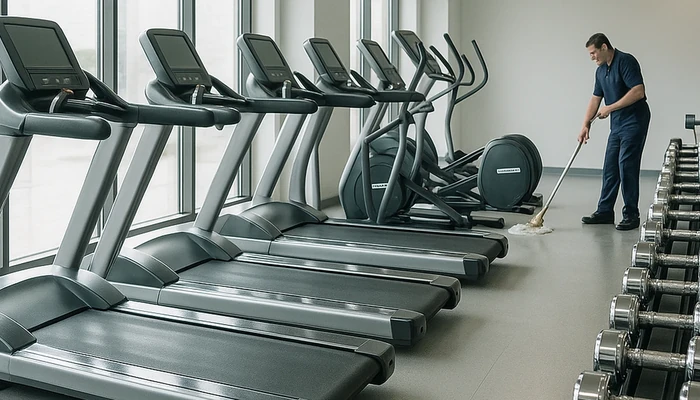
24 Hr Gym Cleaning Service Chicago, chicago cleaning service, gym sanitation cleaning chicago, workout studio cleaning chicago, gym clean Bensenville IL, gym cleaning Yorkville IL, gym sanitation cleaning Lockport IL, health club cleaning Fort Sheridan, fitness center cleaning Great Lakes, gym cleaning Bolingbrook IL, fitness center cleaning Cicero