Dental Office Cleaning Protocols for Unexpected Situations: Ensuring Safety When the Unexpected Happens
In dental practices, hygiene and cleanliness are always top priorities—but unexpected situations can put even the most rigorous protocols to the test. Whether facing sudden biohazard spills, patient emergencies, equipment malfunctions, or last-minute regulatory visits, dental teams must know exactly how to respond. This comprehensive guide explains Dental Office Cleaning Protocols For Unexpected Situations, detailing the steps, products, checklists, and documentation needed to protect patients, staff, and practice reputation. CHI Cleaning Services shares expert frameworks and practical examples so you can build confidence in handling the unpredictable.
When Protocols Are Tested: Defining Unexpected Situations in Dental Office Environments
Unexpected situations are events that disrupt standard operations and demand an immediate, hygienic response. In dental settings, these may include:
- Blood or bodily fluid spills on treatment chairs or floors
- Sudden illness or injury of a patient or staff member
- Accidental breakage of instruments or glass containers
- Sterilization equipment failures mid-day
- Unscheduled inspections by regulatory agencies
- Power outages or water supply interruptions impacting sanitation
- Exposure to infectious materials (e.g., suspected COVID-19, flu)
These scenarios require rapid, structured cleaning actions beyond daily routines. Speed and precision are critical to minimize disruption and health risks.
Rapid Response: Critical Steps When an Unexpected Event Occurs
- Assess and contain: Stop the spread of contaminants by cordoning off affected areas.
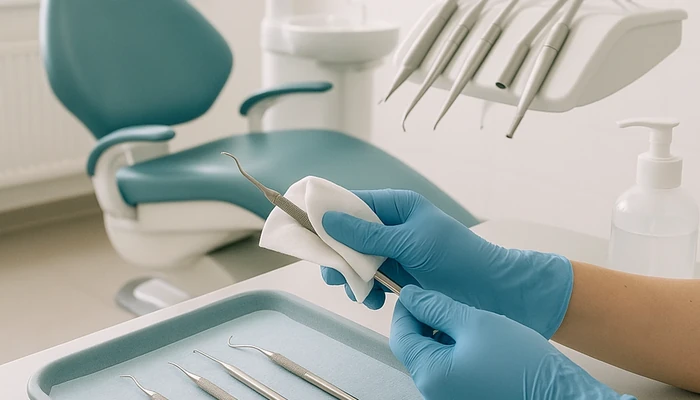
- Safety first: Equip responders with gloves, masks, and other appropriate PPE immediately.
- Document details: Record the time, type, and location of the incident for compliance and review.
- Apply targeted cleaning protocols for the specific biohazard or contamination.
- Notify supervisors or infection control leads as mandated by practice policy.
- Dispose of waste safely, following biomedical or hazardous waste protocols.
- Restore the area and re-open only after passing a post-cleaning inspection.
- Keep an accessible emergency cleaning kit on-site, regularly checked and replenished.
Biohazard Spill Management Frameworks
Stepwise Protocol for Managing Spills
- Identify the type and volume of spill (blood, saliva, chemical, etc.).
- Restrict area use by others—post visible signage.
- Don new disposable gloves, gowns, eye protection, and masks.
- Contain spill using absorbent materials (commercial granules or disposable towels).
- Remove waste using a scoop/scraper; double-bag contaminated items.
- Apply EPA-registered disinfectant per label instructions, ensuring correct contact time.
- Wipe with clean disposable towels; ensure full surface coverage.
- Safely remove PPE, dispose, and perform hand hygiene immediately after.
- Log the event in the cleaning/incident record with actions completed.
For in-depth strategies on eliminating infection risks from biohazards, review APIC’s guidance on infection prevention.
Emergency Cleaning Checklists for Challenging Dental Office Scenarios
Sample Checklist: Blood or Bodily Fluid Spill on Treatment Area
- Wear PPE: gloves, face mask, gown, and goggles
- Restrict access to the treatment area
- Use disposable absorbent pads to cover the spill
- Remove in a way that avoids splatter; double-bag waste
- Apply medical-grade surface disinfectant—ensure full dwell time
- Wipe down nearby surfaces for splatter/overspray
- Remove and safely dispose of all PPE
- Wash hands thoroughly
- Record the incident and actions in the cleaning log
Sample Checklist: Rapid Response for Unplanned Equipment Failure (e.g., Autoclave Malfunction)
- Quarantine all suspect instruments immediately
- Notify staff and stop use of any unsterilized equipment
- Document the malfunction and ID all affected patients
- Arrange alternate sterilization/cleaning procedures if possible
- Contact authorized repair or maintenance
- Only resume normal operations after successful repair and validation
Understanding Regulatory Demands During Emergencies
Dental offices are held to strict standards by OSHA, CDC, and state/local health departments. In unexpected situations—especially those involving potential exposure or accidents—compliance is essential. Core regulatory principles include:
- Immediate containment and disinfection of bloodborne pathogens
- Proper hazard communication (signage, staff training, cleaning product labels)
- Accurate documentation of any incident or cleaning intervention
- Safe disposal of all contaminated waste
- Readiness for spot-inspections including cleaning protocols and incident logs
Maintaining a robust cleaning log helps dental practices quickly demonstrate compliance during audits.
Choosing Cleaning Agents and Equipment for Special Scenarios
Unexpected cleaning challenges in dental offices often require specialized products and tools:
- Hospital-grade disinfectants with EPA-approval for bloodborne pathogens
- Absorbent powder/granules for safe spill management
- Dedicated biohazard waste containers
- Disposable or color-coded cleaning cloths to prevent cross-contamination
- PPE sets in various sizes for responder comfort
Modern practices may also choose UV-C disinfection wands or electrostatic sprayers for rapid decontamination of larger areas.
Documenting Incidents: Record-Keeping & Legal Protection
Thorough documentation is a critical part of dental office cleaning protocols for unexpected situations. Proper records should include:
- Type of incident (e.g., spill, equipment breakage, illness)
- Date, time, and location
- Party who discovered the situation
- Steps taken—including cleaning agents, dwell time, and PPE
- Waste disposal details
- Names of staff involved
- Resolution status and follow-up actions
Such logs are valuable for internal quality control and essential evidence for any regulatory investigations.
Restoring Patient and Staff Confidence After Unplanned Disruptions
Communication is key after any unexpected incident. To help patients and staff feel safe:
- Proactively share cleaning actions taken
- Display clear “Disinfected/Cleaned” signage on affected areas
- Provide opportunities for staff debrief or retraining
- Update written protocols as needed based on event review
Transparency helps maintain trust and demonstrates commitment to safety in the face of the unexpected.
Adapting Cleaning Protocols for Special Facility Areas
In dental facilities, not all rooms are equal. Special areas have unique cleaning needs, especially during emergencies:
| Area | Unique Risks | Emergency Cleaning Focus |
|---|---|---|
| Treatment Rooms | Biofluids, sharps, aerosols | Biohazard management, surface disinfection |
| Sterilization Area | Contaminated instruments, chemical exposure | Spill containment, cross-contamination prevention |
| Reception/Waiting | High-touch surfaces, respiratory droplets | Rapid contact disinfection, air quality checks |
| Restrooms | Restroom accidents, plumbing issues | Sanitation, odor control, closure during major events |
Frequent Unexpected Events: Preparing for Likely Scenarios
Dentists and office managers should train cleaning teams to respond to these common, yet unpredictable, situations:
- Patient suddenly coughs blood or vomits
- Laboratory sample spills in transit
- Staff member experiences a cut or needlestick accident
- Power outage leaves equipment mid-process
- Unexpected leak or flooding during work hours
- Suspected case of highly transmissible infectious disease
Each demands a distinct, practiced cleaning response.
Role of Professional Cleaning Companies in Rapid Dental Office Remediation
Experienced cleaning professionals are trained in emergency response, biohazard handling, and documentation. With advance planning, dental offices can partner with providers like CHI Cleaning Services for:
- On-call rapid cleaning and decontamination for major incidents
- Regular emergency drill planning/training for staff
- Guidance on proper cleaning agent selection and supply management
- Up-to-date protocols tracked against OSHA, CDC, and local regulations
Having a professional partnership ensures expertise and practical support when the unexpected occurs.
Integrating Infection Prevention Training and Certification
Dental staff must know not only how to clean—but why each protocol matters. Resources like Barbicide’s disinfection certification and ongoing infection prevention initiatives play a vital role. Ongoing team training includes:
- Proper PPE donning/doffing under pressure
- Understanding dwell times for various disinfectants
- Safe disposal of sharps and biohazard waste
- Best practices for patient and staff communication after events
Certified training gives staff the confidence to handle the full spectrum of cleaning emergencies.
Decision Framework: When to Escalate to Specialized Biohazard Cleaning
Not all situations can be fully managed by in-house staff. Consider professional escalation if:
- The incident involves large bloodborne pathogen spills (>500mL)
- There is visible mold, hazardous chemicals, or unknown substances
- HVAC or plumbing failures risk cross-space contamination
- State/local or CDC protocols require certified remediation
- The area cannot be safely reopened with standard resources
Having an escalation protocol keeps everyone safer and legally protected.
Partnering with Cleaning Companies: What to Ask Before Emergency Service Agreements
- What is your average response time for on-site emergencies?
- Are your staff trained and certified in biohazard and dental-specific procedures?
- Can you provide sample protocols and documentation templates?
- How do you maintain supply readiness for unique dental needs?
- Can you assist with compliance/inspection support when required?
Choosing the right cleaning partner ensures that even when the worst happens, safety standards are never compromised. For regular or emergency cleaning support, explore our dental cleaning services.
Best Practices for Training and Simulation Drills in Dental Settings
Proactive, scenario-based training reinforces protocols so responses become second nature. Effective drills should:
- Simulate both common and rare unexpected cleaning scenarios
- Assess speed and accuracy of response
- Test product and equipment accessibility/readiness
- Highlight documentation and communication improvement points
- Provide opportunities for feedback and protocol revision
A well-prepared staff is the foundation of a safely run dental facility.
Expert Guidance: Key Differences Between Routine and Emergency Dental Cleaning
- Emergency cleaning requires immediate attention, specific PPE, and time-sensitive documentation
- Standard routines focus on regular disinfection and surface maintenance
- Emergency responses often call for specialized tools/products not used daily
- Documentation is more detailed and may require regulatory notification
Sample Incident Report Template for Dental Cleaning Teams
- Date/Time of incident
- Location
- Description of situation
- Individuals involved
- Immediate remediation steps
- Products used (include brand, EPA #)
- Duration before re-use of area
- Signatures of responsible team members
Topic-Related Resource Links for Further Guidance
- How to Elevate Dental Office Cleanliness
- Maintaining Hygiene in Dental Clinics
- Efficient Techniques for Small Dental Offices
- Importance of Dental Treatment Area Cleaning
- Dental cleaning service booking
Frequently Asked Questions: Dental Office Cleaning Protocols for Unexpected Situations
- What types of unexpected cleaning emergencies are most common in dental offices? Sudden biohazard spills, patient illness, equipment failures, and utility outages are among the most frequent.
- How quickly should a dental office respond to a cleaning emergency? Immediate action is crucial—contain the area and apply protocols within minutes to protect health and minimize disruption.
- What documentation is required after a cleaning incident? Every event should be logged with details of discovery, remediation steps, products used, and staff involved.
- When should a professional cleaning company be called for help? Escalate if the biohazard is beyond in-house tools, involves large areas, or is mandated by regulators.
- Are special products needed for dental cleaning emergencies? Yes—hospital-grade disinfectants and PPE suitable for bloodborne pathogens are essential.
- How do cleaning teams stay up-to-date with infection control best practices? Ongoing certifications (e.g., Barbicide), reviewing updated guidelines, and regular drills strengthen protocols.
- How can dental offices guarantee compliance during an unexpected situation? By following established protocols, keeping detailed logs, and ensuring regular training of all staff.
- What communication is needed with patients after an incident? Be open about what happened, the cleaning actions taken, and your commitment to safety.
Summary: Building Confidence in Dental Office Cleaning Protocols for the Unexpected
Dental practices face unique challenges when surprise events test their hygiene and safety procedures. With the right cleaning protocols, rapid response checklists, and commitment to ongoing staff training, offices can manage even the most complex scenarios with skill and care. Professional cleaning partners like CHI Cleaning Services not only bring expertise in rapid remediation but also help offices maintain compliance and peace of mind. Preparation and precision are your best defenses against the unexpected in the dental environment.
About CHI Cleaning Services
CHI Cleaning Services helps households and businesses in Chicago, Illinois and nearby areas keep their spaces clean and healthy. Our team specializes in recurring house cleaning, deep cleaning, move out cleaning, office cleaning, and facility-specific cleaning for dental, medical, and commercial environments. With trained staff, checklists grounded in regulatory standards, and a focus on health and safety, we’re committed to helping your dental or commercial space remain pristine—even when the unexpected occurs. Contact CHI Cleaning Services to learn about professional support for your facility’s unique cleaning needs.
The Best Cleaning Contractor Chicago, Dental Office Cleaning Company Chicago, cleaning services chicago, dental practice cleaning chicago, dental office cleaning chicago il, dentist office cleaning Highland Park IL, dental clinic cleaning Hannover Park IL, dental office cleaning in Des Plaines, dental practice cleaning Westmont, dental office cleaning in Cragin, dental office cleaning Libertyville IL, dentist office cleaning Riverside