Ensuring Public Health and Practice Safety: Expert Cleaning Frameworks for Homes and Facilities
Whether you are a homeowner, property manager, business owner, or health practice administrator, ensuring public health and practice safety is more critical than ever. Professional cleaning plays a vital role in safeguarding people, meeting regulations, and maintaining trust in homes, workplaces, and specialized facilities. This guide from CHI Cleaning Services will walk you through the most effective cleaning frameworks, how different service types contribute to hygiene, essential checklists, decision-making tips, and expert protocols that keep Chicago’s spaces safe. By the end, you’ll have a working knowledge of what qualifies as effective cleaning, how to assess your risks, and what to expect from a professional team.
Public Health Principles and Cleaning: The Foundation
Public health is anchored in the proactive prevention of illness. Effective cleaning is a foundational practice, especially in shared or high-traffic environments. Cleaning goes beyond visible tidiness—it encompasses strategies to break the chain of infection, minimize microbial load, and ensure a safe environment for occupants. Here’s how this connects to practice safety:
- Risk Reduction: Routine cleaning removes pathogens from high-touch surfaces before they can spread.
- Compliance: Meets regulatory and accreditation standards for workplaces and public venues.
- Peace of Mind: Provides reassurance to staff, tenants, patients, and visitors.
For medical, child care, and commercial offices, these principles underlie every aspect of a proper cleaning protocol.
Key Regulatory Guidelines and Public Safety Requirements
Every sector has specific standards for health and safety. Leaders and property owners must be familiar with:
- OSHA regulations (for occupational settings), including proper cleaning agent use and reporting of hazards.
- CDC environmental cleaning recommendations for healthcare, schools, and public spaces.
- Local building and health codes in Chicago for both residential and commercial properties.
- Industry-specific protocols (e.g., dental clinic or spa disinfection requirements).
Staying up to date with these ensures you meet both legal requirements and best practice standards. The APIC guide on infection preventionist development offers insight into evolving professional standards.
Distinctions: Regular Cleaning, Deep Cleaning, and Disinfection Protocols
Not all cleaning services address public health or safety needs equally. Understanding the differences helps ensure you choose the right method.
| Service Type | Main Goal | Example Areas | Frequency |
|---|---|---|---|
| Routine Cleaning | Remove visible dirt and reduce everyday germs | Floors, desks, kitchens, bathrooms | Daily to weekly |
| Deep Cleaning | Sanitize hard-to-reach or overlooked areas | Baseboards, vents, upholstery, under furniture | Monthly, quarterly or post-event |
| Disinfection | Eliminate harmful bacteria & viruses | Door handles, light switches, medical surfaces | As required; after illness events |
Each layer supports the next; basic cleaning is insufficient if high-risk surfaces are not regularly disinfected.
Hygiene Checklists for Diverse Environments
Using structured checklists strengthens compliance, consistency, and safety, especially for recurring and facility cleaning.
For Medical and Dental Practices
- Reception and waiting room: Chairs, counters, handrails wiped and sanitized
- Operatories: Equipment, trays, lights, and dental chairs disinfected after each use
- Bathrooms: Deep cleaning and restocking
- Staff areas: Kitchens sanitized, waste removed, lockers cleaned
Office and Commercial Workspaces
- Desks and cubicles: Phones, keyboards, work surfaces cleaned
- Meeting rooms: Tables, remote controls, devices sanitized
- Shared kitchens: Appliances, counters, microwaves disinfected
- Elevators and stairs: Buttons, handrails wiped down
Homes, Apartments, and Short-Term Rentals
- Kitchens: Surfaces, knobs, handles, and appliances cleaned
- Bathrooms: Faucets, showers, bathtubs thoroughly sanitized
- Bedrooms: Linens changed, touchpoints wiped
- Living areas: Electronics, remote controls, doorknobs disinfected
For more in-depth best practices, see our guide on healthy clinic environments.
Public Health Risks and Cleaning: Identifying Critical Touchpoints
Strategic cleaning decisions are based on risk assessment:
- High-touch surfaces: Doorknobs, elevator buttons, shared devices
- Shared restrooms and break rooms
- HVAC and ventilation outlets
- Waiting and communal zones
Facilities with higher visitor traffic or vulnerable populations (e.g., clinics, fitness centers) demand more stringent cleaning cycles and documentation.
Staff Training: The Backbone of Safe and Effective Cleaning
Reliable public health outcomes are only possible if cleaning teams are trained and supervised to a consistent quality standard. Key elements include:
- Use of correct personal protective equipment (PPE)
- Understanding dwell times for disinfectants
- Protocols for cross-contamination prevention
- Regular refresher workshops and documentation for regulatory reviews
CHI Cleaning Services emphasizes continual staff training and transparent communication with clients.
Choosing the Right Cleaning Solutions and Tools for Safety
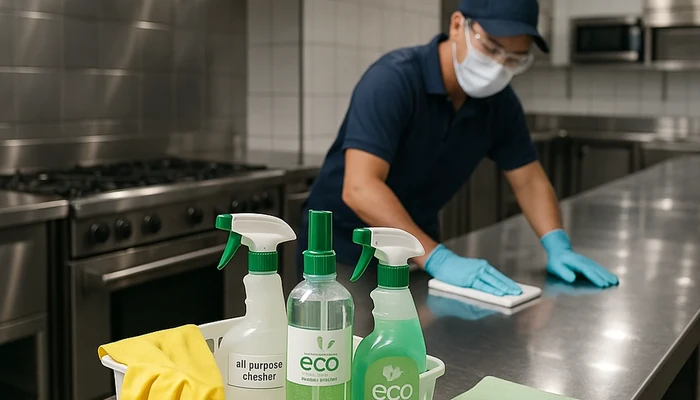
The cleaning agents and tools you select determine the safety and effectiveness of your plan:
- Surface Compatibility: Ensure solutions match surface types (wood, stainless steel, upholstery).
- Regulatory Approval: Use EPA-registered disinfectants for pathogen control.
- Eco-Friendly Options: Where possible, opt for products that balance efficacy and occupant safety, especially for sensitive environments like daycares.
Proper equipment maintenance also plays a role. For more insights, our dental clinic cleaning practices article provides detailed protocols relevant to medical-grade cleaning equipment.
Comparing Facility Needs: Tailored Approaches to Practice Safety
Every facility has unique vulnerabilities and requirements. Here is how needs differ in practice:
- Dental/Medical Clinics: Focused on surface disinfection, air quality control, regulated waste disposal, instrument sterilization.
- Gyms and Fitness Centers: Emphasis on locker rooms, shared equipment, and mat cleaning.
- Childcare/Education Facilities: Frequent disinfection of toys, tables, and restroom stalls, plus naptime hygiene protocols.
- Commercial Offices: Focused on shared electronics, kitchens, and restrooms cleaning cycles.
Your cleaning partner should provide adaptable solutions based on both industry standards and your actual daily activity.
Special Considerations for Outbreak Prevention and Response
Outbreaks (e.g., flu, norovirus, COVID-19) require upgraded protocols:
- Increase cleaning frequency, especially for high-traffic touchpoints.
- Use disinfectants with proven efficacy against the relevant microbes.
- Document every procedure, product, and timing for accountability.
- Close communication with occupants—provide instructions and signage about hand hygiene, mask usage, and area closures when necessary.
Drawing on resources like the APIC guide for infection preventionists can help refine protocols in high-risk scenarios.
Infection Control Documentation and Audit Readiness
A major pillar of practice safety is documentation for inspections and self-audits:
- Maintain up-to-date cleaning logs by area and date/time.
- Keep an inventory of products used, including Safety Data Sheets (SDS).
- Establish an incident reporting system for spills or contamination events.
- Schedule and document regular staff training refreshers.
Having thorough records makes routine inspections, insurance inquiries, or regulatory audits far less stressful for both homes and businesses.
Cross-Contamination Controls: Methods for Safer Practices
Critical to public health is preventing the movement of soil, debris, or microbes between spaces. Effective controls include:
- Color-coded cleaning tools by area (bathrooms vs kitchens vs clinical zones)
- Cleaning from low-risk to high-risk zones
- Using disposable microfiber when appropriate
- Hand hygiene enforcement for all staff between shifts or areas
Supervised, checklist-based routines help minimize the chance of cross-contamination.
Maintenance Schedules and Frequency Recommendations
How often should each area be cleaned or disinfected? While general recommendations exist, schedules must be tailored to foot traffic, type of use, and risk level:
- High-traffic public areas: At least twice daily
- Restrooms and kitchens: After each heavy use, or minimally, daily
- Exam rooms (between patients): After each use
- Shared electronics: Multiple times daily, or after each use
- Detailed deep cleaning: Monthly to quarterly, depending on activity
Document every action and update schedules as usage patterns change—seasonally, during outbreaks, or after renovations. For related post-construction cleaning tips, see this industry resource.
Decision Framework: Selecting a Reliable Cleaning Partner
How do you choose a cleaning company that truly prioritizes public health and practice safety?
- Ask about their staff training, background checks, and use of checklists.
- Request proof of insurance and adherence to regulatory standards.
- Inquire about product selection and eco-friendly practices.
- Assess their communication and incident response plan.
- Check for transparency in pricing, scope, and schedule flexibility.
CHI Cleaning Services offers a tailored consultation to ensure your unique needs are met, with clear protocols and ongoing support.
Integrating Cleaning Protocols into Everyday Operations
For sustained safety, make cleaning an embedded part of your routine. Strategies that help:
- Empower staff/family to report issues or needed attention
- Visible schedules/checklists for accountability
- Regular feedback and improvement cycles
When done right, cleaning supports both productivity and peace of mind at home or at work.
Soft Service Pathways for Specialized Cleaning Needs
Some spaces—such as fitness centers, religious facilities, or post-construction environments—require extra care and unique routines. A thoughtful cleaning partner will recommend service intensity and frequency based on real-life risks, not one-size-fits-all patterns. If you’re seeking cleaning tailored to your facility, our team’s expertise spans from move-out to ongoing maintenance. For service-focused resources, consider options like Commercial cleaning service or Office cleaning service for specialized business needs.
Frequently Asked Questions: Cleaning and Public Health Safety
- What’s the difference between regular cleaning and disinfecting?
Regular cleaning removes dirt and many germs on surfaces, while disinfecting involves chemicals specifically formulated to kill pathogens. A combined approach is essential for public health. - How can I know if my cleaning plan meets regulations?
Verify compliance with OSHA, CDC, and local codes. Request documentation from your cleaning provider and compare against industry standards for your sector. - How often should high-touch surfaces be cleaned in offices?
These surfaces should be disinfected at minimum once daily, with higher frequency during outbreaks or in high-traffic areas. - Are eco-friendly cleaners as effective as traditional disinfectants?
Some are, but always look for EPA registration or approval for your required level of pathogen control. - What steps help prevent cross-contamination?
Dedicated supplies for each area, regular staff handwashing, and adherence to checklist-based protocols can significantly reduce risks. - Do I need specialized protocols for post-construction cleaning?
Yes. Post-construction cleaning addresses dust, debris, and residues that standard cleaning does not. See industry standards for more. - Does frequency of cleaning change during cold and flu season?
Yes. Recommend increasing frequency of disinfection for shared and high-touch areas. - Should cleaning logs be maintained in homes, or just in businesses?
While most critical for businesses, logs in homes (especially with vulnerable occupants) can help ensure routine and accountability.
Action Steps: Putting Public Health and Practice Safety into Practice
To effectively safeguard your home, office, or facility:
- Map out your space’s critical touchpoints and match your cleaning schedule accordingly.
- Select a professional cleaning partner trained in public health protocols.
- Use structured checklists and keep records for continuous quality assurance.
- Regularly review regulatory guidance for any updates relevant to your setting.
- Communicate openly with your staff, visitors, or residents about your efforts and expectations.
Whether you need recurring deep cleaning or a specialized office cleaning solution, aligning your protocols with public health frameworks makes a measurable difference.
About CHI Cleaning Services
CHI Cleaning Services is a trusted provider focused on helping households and businesses in Chicago, Illinois and nearby areas keep their spaces clean and healthy. Our expertise covers recurring house cleaning, deep cleaning, move-out projects, specialized office, and facility cleaning. Our trained teams follow strict checklists and protocols, prioritize safety, and use professional-grade products and equipment for the highest hygiene standards. For reliable, consistent cleaning with transparent communication, count on CHI Cleaning Services to support your home, business, and community’s well-being.
cleaning company chicago, medical office cleaning chicago il, professional house cleaning