 Skip to content
Event Cleaning: Tips and Tricks for a Spotless Venue
Whether you’re hosting an intimate party, a community fundraiser, or a large corporate function, keeping a clean venue is key to a safe and enjoyable event. In this comprehensive guide, you’ll discover proven event cleaning tips and tricks used by professionals throughout Chicago and beyond. From pre-event preparation and equipment selection to hygiene checklists, waste management, and smart post-event cleanup, you’ll learn exactly how to plan and execute every step for a flawless and inviting space. If you want your next event to set the standard for cleanliness and guest comfort, this is your go-to resource.
Understanding the Unique Demands of Event Cleaning
Event cleaning is not the same as regular home or office cleaning. Events pose special challenges such as high foot traffic, food residue, unpredictable spills, rapid turnovers, and the need for discreet on-the-fly touch-ups.
- High-traffic areas become dirty quickly and require constant monitoring.
- Leftover food and drink create stains and attract pests.
- Large numbers of guests increase the risk of germ transmission.
- Timeframes for cleaning between setup and breakdown are often tight.
- Waste generated can overwhelm standard trash management processes.
Understanding these unique factors is the first step to creating a truly effective event cleaning strategy.
Defining Professional Event Cleaning: Scope and Roles
Professional event cleaning typically covers three main phases: pre-event preparation, cleaning during the event (often with on-site staff), and thorough post-event restoration. Each phase requires specific skills, tools, and coordination with event planners or property managers.
- Pre-event cleaning: Deep cleaning restrooms, kitchens, entryways, and all guest-facing areas. Ensuring supply restocks and proper placement of bins.
- On-event maintenance: Restroom checks, touchpoint sanitizing, quick spill response, clearing trash, and keeping walkways safe.
- Post-event cleanup: Complete debris removal, stain treatment, detailed surface cleaning, odor control, and resetting the venue.
Depending on your event, you may also need to coordinate specialty services for carpet, upholstery, kitchen, or outdoor spaces.
Pre-Event Preparation: Steps to Set Up for a Successful Clean
Cleaning success starts before guests arrive. Here’s a structured pre-event cleaning checklist professional teams follow:
- Inspect the venue and identify problem areas (stains, odor, dusty fixtures).
- Check restrooms and replenish soaps, towels, and paper products.
- Clean windows, floors, and high-contact touchpoints (doors, railings, elevator buttons).
- Arrange waste and recycling bins in strategic, visible locations.
- Disinfect tables, chairs, and food service areas using EPA Safer Choice products if possible.
- Stock up on extra cleaning supplies for urgent response during the event.
This preparation reduces cleaning headaches later and makes sanitization efficient during busy event hours.
Essential Tools and Products for Efficient Event Cleaning
The right equipment makes all the difference. Below is a comparison of professional-grade tools and their best event uses:
| Tool/Product | Key Use at Events | Who Needs It |
|---|---|---|
| Microfiber Cloths | Streak-free surface cleaning; attracts dust/allergens | All cleaning teams |
| Hospital-Grade Disinfectants | Bathroom, kitchens, high-touch points | On-site janitorial, post-event staff |
| Portable Vacuum | Spot cleaning carpets, entryways | Rapid response during events |
| Wet/Dry Mop | Spill control on hard floors | Maintenance crew |
| Odor Neutralizers | Post-event freshness | After-event crew |
| Waste/Recycling Bins | Trash and recyclables separation | All venues |
Always use products and processes safe for your specific surfaces and request a copy of MSDS sheets for chemicals used at your venue.
Hygiene and Safety: Reducing Germ Transmission at Events
Event venues are hotspots for cold, flu, and foodborne germs, particularly in the winter or where food is served. Adopting these hygiene best practices limits transmission risks:
- Disinfect high-touch areas hourly: doorknobs, elevator buttons, tabletops, handrails.
- Schedule extra restroom cleaning and restocking—especially when attendance is high.
- Provide hand sanitizer stations at entry, buffet, and restroom doors.
- Label trash and recycling clearly to minimize confusion and improper sorting.
- Advise cleaning staff on personal protective equipment (PPE) usage for accident-prone areas.
For large events or those with immunocompromised guests, consider professional teams trained in infectious disease control for added peace of mind.
Waste Management and Sustainable Event Cleaning Tips
Minimizing waste and environmental impact is now a top priority for Chicago hosts. Here’s how professionals approach event waste:
- Choose clearly marked bins for landfill, recycling, and compostable materials. Place instructions at each station.
- Encourage vendors and guests to use recyclable or compostable plates, cups, and utensils.
- Partner with service providers who use sustainable cleaning products and waste reduction best practices.
- Plan end-of-event food donation or distribution when possible.
Discuss your sustainability priorities with your cleaning provider to align eco-friendly and regulatory requirements from the outset.
Real-World Cleaning Scenarios: Event Types and Their Unique Needs
The approach to cleaning will vary depending on event type and location. Below are real-world event scenarios along with their distinct cleaning requirements:
- Corporate Conferences: Paper clutter, sticky floors from coffee spills, and high restroom usage. Requires quick turnarounds and discreet cleaning.
- Weddings: Food/beverage stains on dance floors, decorative glitter cleanup, and delicate fabrics. Attention to detail is critical.
- Community Gatherings: Outdoor litter, shoe-borne dirt, and recycling volume. May involve cleaning public sidewalks and green spaces.
- Trade Shows: Trash accumulation at booths, hazardous waste from promotional items, and congested walkways.
- Children’s Events: Sanitization of toys and surfaces, spill management, and allergy-aware cleaning solutions.
Your cleaning checklist should always match the scale and nature of your event.
Designing a Dynamic In-Event Cleaning Plan
Cleaning during an event requires agility and coordination. Here’s how the industry’s best teams keep everything on track:
- Assign shift supervisors to monitor cleaning coverage and respond to urgent needs.
- Stagger cleaning rounds to maintain restroom and trash service without disrupting guests.
- Create a communication system (radios or app) for rapid spill or hazard response.
- Brief cleaning teams on privacy etiquette for sensitive events or VIP rooms.
- Plan scheduled handoff or overlap periods for large venues to ensure seamless care.
Having full event itineraries and room layouts ensures everyone knows where to focus cleaning resources at peak times.
Proven Strategies for Post-Event Restoration
After the crowd has gone, the fastest route to restoring your venue is through an organized cleanup sequence. Professional cleaners recommend this priority approach:
- Collect and remove all trash and debris before starting surface cleaning.
- Treat carpet and upholstery stains immediately with manufacturer-approved products.
- Break down decorations; check for hidden tape, tacks, or adhesives before cleaning.
- Wipe down all surfaces, including forgotten spaces like ledges and window sills.
- Address odors with ventilation and neutralizers—not just scented sprays.
- Reinspect for missed debris and conduct a final cleaning walk-through with your event planner or venue manager.
For high-traffic, multi-day events, post-event cleaning may require deep cleaning of restrooms, kitchens, and floors using commercial-grade equipment.
Special Focus: Cleaning High-Touch and Shared Spaces
Areas such as registration desks, catering zones, and changing rooms see repeated use and demand extra cleaning attention. Tips include:
- Sanitize point-of-sale and check-in devices hourly.
- Refresh linens and change trash bags frequently throughout the event.
- Coordinate with vendors to keep back-of-house areas uncluttered and safe.
Building cleaning breaks into your event schedule keeps shared spaces guest-ready at all times.
Event Cleaning Comparison: DIY vs. Professional Service
- DIY Cleaning: Lower cost, but requires organizing volunteers or staff, training, supplies purchase, and liability management. Not recommended for large or high-risk events.
- Professional Service: Highly skilled crews, insurance, specialized equipment, ability to handle emergencies, and ensure sanitation compliance. Best for public, high-profile, or regulated venues.
For Chicago event organizers, working with a licensed cleaning partner like CHI Cleaning Services ensures safety, consistency, and peace of mind. For more information about tailored event cleaning, contact our event cleaning service team.
Customizing Checklists: What to Include for Different Events
No single checklist suits every occasion. Here are sample items to adapt for your needs:
- Entrance: Sweep/rinse walkways, clean glass doors, mats in place.
- Restrooms: Disinfect fixtures, restock, mop floors, empty bins.
- Food Prep/Service: Sanitize surfaces, ensure food safety protocols, sweep/vacuum.
- Dining Areas: Clear tables, spot clean chairs, check under tables.
- Dance Floors/Presentation Stages: Remove debris, wipe down, dry as needed.
- Trash/Recycling: Sort and dispose appropriately after the event.
Customize checklists for specialized venues such as gyms, daycare facilities, or beauty salons. For industry-specific cleaning protocols, see our additional resources on gym cleaning and beauty salon cleaning.
Training Cleaning Teams for Event-Specific Scenarios
Staff training directly impacts the success of event cleaning. Elements of professional instruction:
- Pre-event walk-throughs to identify unique challenges or hazards.
- Demonstrations of specialized tools or products to prevent surface damage.
- Practice scenarios, such as handling food spills or managing hazardous materials.
- Emergency action plans for broken glass, bodily fluids, or weather-related messes.
Clearly defined roles and checklists keep teams accountable and help them adapt quickly on event day.
Communication & Coordination: Working with Planners, Vendors, and Guests
Flawless cleaning relies on collaboration with all event partners. Professionals recommend:
- Sharing cleaning schedules with planners and coordinators so setup and breakdown align with the event timeline.
- Discussing waste management with caterers, florists, and AV teams to streamline material removal.
- Posting visible signage encouraging guest participation in keeping spaces clean (e.g., reminders about trash separation).
Open communication reduces last-minute surprises and ensures cleaning teams can act efficiently when unexpected messes occur.
Evaluating the Success of Your Event Cleaning Plan
How do you know your cleaning efforts were successful? Use this post-event checklist:
- Are all surfaces visually free of debris and sanitized?
- Do restrooms pass the “look-smell-touch” test?
- Is leftover waste sorted, secured, and ready for pickup or disposal?
- Have all rental or property owner requirements been met?
- Did attendees, vendors, or property managers provide positive feedback?
Track corrective actions and feedback to improve cleaning routines for future events. For additional frameworks and best practices on maintaining spaces between events, see these tips for maintaining event spaces.
Case Study: Coordinating Cleaning for a Multi-Room Networking Event
In a recent Chicago networking seminar, the venue featured three separate meeting rooms, breakout areas, and a shared dining space. Key event cleaning highlights included:
- Pre-event deep clean with focus on door handles and conference tables
- On-call staff to service bathrooms and refresh supplies every hour
- Breakdown team deployed the moment sessions ended for a rapid turnover
- Feedback survey sent to guests about venue cleanliness and comfort
The result: a seamless transition between event sessions and universally positive attendee impressions. For more on planning for multilocation events, review our guide on facility care for networking events.
Frequently Asked Questions on Event Cleaning: Tips and Tricks
A: For events with moderate to high attendance, restrooms should be checked and refreshed every 45–60 minutes; more frequently for peak crowd periods. For further detail, see our guide on ensuring a flawless and hygienic event.
Q2: How can I ensure cleaning teams won’t disrupt the event?
A: Stagger shift rotations, use discreet uniforms, and plan cleaning rounds during natural breaks in the event flow.
Q3: What’s the best way to prevent odors after a party or event?
A: Remove food garbage immediately, ventilate thoroughly, and use odor-neutralizing sprays, never just covering scents.
Q4: Are eco-friendly cleaning products effective for event venues?
A: Yes, many EPA Safer Choice products provide strong results for general surfaces, food areas, and bathrooms.
Q5: How do I select a reliable cleaning company for my event?
A: Look for companies with staff training, experience in event-sized projects, and clear communication and pricing.
Q6: How can I reduce waste at my event?
A: Use recycling stations, partner with eco-focused vendors, and donate leftover materials when possible. Refer to EPA guidance on reducing waste.
Q7: Should I hire the same company for pre, during, and post-event cleaning?
A: When possible, yes. This ensures consistency, better accountability, and easier communication.
Q8: What should an event cleaning checklist always include?
A: Restrooms, entryways, food prep and dining areas, waste stations, and all high-traffic touch points. The checklist should be adapted to any unique spaces at your site.
Recap and Next Steps for Seamless Event Cleaning
Event cleaning requires planning, expertise, the right products, and a focus on hygiene and sustainability. By customizing your approach to event type, guest needs, and venue specifics, you can guarantee an inviting and healthy space from start to finish. If you are organizing an event in Chicago and want to ensure professional results, consider partnering with a trusted local team experienced in every stage of event cleanliness. For tailored service options, visit our event cleaning booking page.
About CHI Cleaning Services
CHI Cleaning Services helps households and businesses in Chicago, Illinois and nearby areas keep their spaces clean and healthy. Our expert staff specializes in recurring house cleaning, deep cleaning, move out cleaning, office cleaning, and facility-specific services. We use consistent checklists, safe cleaning products, and the latest equipment to ensure top quality every time. With flexible scheduling, transparent communication, and a dedication to long-term relationships, we deliver reliable results for homes, businesses, and events citywide. Discover trusted professionalism—choose CHI Cleaning Services for your next project.
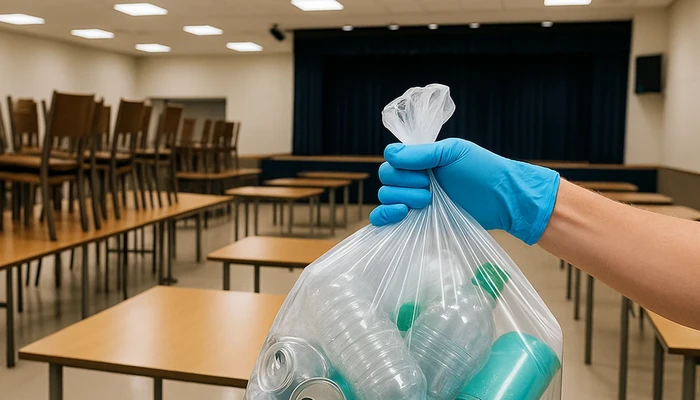
best cleaning services chicago, chicago event cleaning service, event cleaning chicago il, event cleaning Des Plaines, Franklin Park event cleaning service, event cleaning Ukrainian Village, event cleaning Wood Dale IL, Niles event cleaning service, event cleaning West Dundee IL, Glen Ellyn event cleaning
