Deep Dive Into Nursery School Cleaning: Job Insights, Methods, and Decision Framework
Cleanliness is vital in nursery schools where young children spend much of their day. Proper cleaning protects not only their health but also their learning environment and experiences. In this guide, you’ll discover Nursery School Cleaning: Job Insights—what the job entails, how professional approaches differ, the latest safety and hygiene measures, and a practical decision framework to evaluate cleaning solutions. Whether you are a school administrator, staff member, or a concerned parent, you’ll gain actionable knowledge about protecting the youngest learners.
The Realities of Nursery School Cleaning: Unique Job Demands
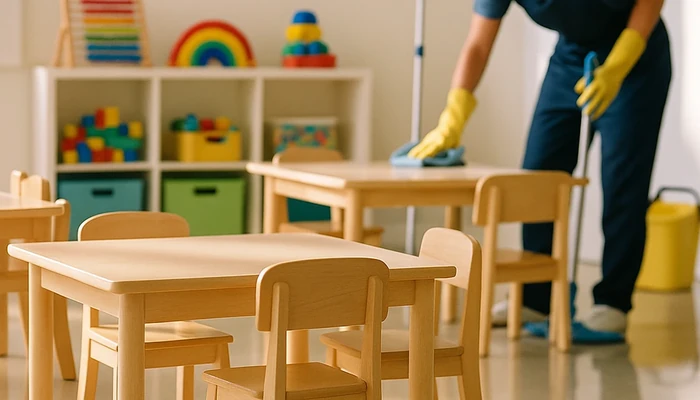
Unlike other facilities, nursery schools require specialized cleaning routines. Children are more vulnerable to germs and chemicals, exploring their surroundings with hands and mouths. A nursery cleaning job isn’t just wiping surfaces—it’s targeting pathogenic hotspots and adapting standards for child safety.
- Frequent cleaning cycles throughout opening hours
- Targeting toys, play zones, nap areas, and washrooms
- Safe product choices—non-toxic, hypoallergenic formulas
- Protocols for body fluid incidents and fast clean-ups
- Staff sensitivity: maintaining calm, unobtrusive presence
These unique conditions require well-trained cleaners and routines aligned with both government guidance and each nursery’s needs.
Critical Hygiene Principles in Early Learning Environments
Germs can spread rapidly among young children. Cleaners must be vigilant, prioritizing high-touch zones and adapting practices as recommended by infection prevention experts. The Prevention Strategist offers in-depth perspectives on germ management in educational settings, with many relevant lessons for preschools and nurseries.
- Hand-contact points: Door handles, light switches, mats
- Shared objects: Toys, art materials, books
- Eating stations: Tables, chairs, kitchen and snack prep areas
- Bathroom fixtures: Sinks, toilet handles, changing areas
Consistent protocols—such as color-coded cloths for different surfaces, hot water use, and stringent waste disposal—are key to effective hygiene.
Core Job Responsibilities: Nursery School Cleaner Profile
The nursery school cleaning job is multi-faceted. Here’s what professional cleaners are typically responsible for:
- Following a daily, weekly, and deep-cleaning schedule
- Cleaning and sanitizing classroom surfaces, toys, and furniture
- Refilling soap and sanitizer dispensers; emptying bins
- Managing laundry (blankets, nap mats, towels)
- Spot-cleaning as soon as spills or accidents occur
- Applying only approved cleaning agents safe for children
- Keeping careful records of supplies, product usage, and maintenance issues
Most nursery cleaners work before opening, during quiet times, or after hours to minimize disruptions.
Key Differences: Nursery vs. General or Office Cleaning Jobs
While many cleaning skills transfer from office or home settings, nursery environments introduce distinct complications. Here’s a structured comparison:
| Aspect | Nursery School Cleaning | Office Cleaning |
|---|---|---|
| Product Safety | Essential—only child-safe products | General cleaning products permitted |
| Frequency | Constant, with additional spot cleaning | Set times, usually after hours |
| Focus Areas | Toys, eating zones, bathrooms, nap mats | Desks, kitchens, washrooms |
| Disinfection | Intensive; prevents contagious outbreaks | Routine; emphasis on appearance |
| Regulation | More stringent: health boards, licensing | Standard workplace safety |
These extra layers mean nursery school cleaning jobs require more than traditional janitorial experience.
Recommended Tools and Equipment for Nursery Settings
Outfitting cleaners with the right tools is critical. Nilfisk publishes best practice guides on professional cleaning technology, inspiring safer and more efficient workflows in nursery environments. Commonly used tools include:
- HEPA filter vacuums—for allergen reduction
- Color-coded microfiber cloths
- Mop systems with dual reservoirs to prevent cross-contamination
- Child-safe disinfectant sprays and wipes
- Gloves and disposable aprons
- Portable UV-C light (where approved) for sanitizing toys/mats
Staff training on each item’s safe use is essential to avoid both under-cleaning and exposing children to harmful residues.
Structuring Effective Nursery School Cleaning Checklists
Checklists are central to quality assurance and accountability. They should adapt to space size, daily schedule, and any special needs. A sample daily nursery school cleaning checklist could include:
- Disinfect entry handles and handrails hourly
- Wipe down all play surfaces between group activities
- Sanitize shared toys at the end of the day (rotate if unable to clean all at once)
- Empty bins and diaper pails frequently
- Mop bathroom and eating area floors with approved solution
- Document issues (e.g., broken soap dispenser)
Weekly and monthly tasks add deeper cleaning, inventory restocking, and system checks—preventing issues from accumulating.
Addressing Common Challenges in Nursery Environments
Every nursery faces unique obstacles, from unpredictable messes to emergency hygiene needs. These scenarios demand both preparation and flexibility:
- Unexpected spills/stains: Immediate incident response plans
- Body fluids (vomit, blood): PPE (personal protective equipment) and special cleaning protocol
- Parental concerns about chemical exposure: Transparent product logs and open communication
- Contagious outbreaks: Enhanced cleaning frequency and specific organism-targeted solutions
Staff and commercial cleaning partners should keep clear logs and communicate with school leaders to stay ahead of such challenges.
Legal Standards and Inspection Readiness: What Schools Must Know
Nursery schools in Illinois and elsewhere are subject to a range of licensing rules and inspections. Job insights here include recognizing what authorities will check:
- Adherence to safe chemical storage and labeling standards
- Display of current cleaning schedules and checklists
- Evidence of regular disinfecting in high-touch/high-risk areas
- Logs of supply purchases and staff training
- Records of infection outbreaks and remedial actions
Staying ready for inspections means embedding best practices into everyday routines, not relying on last-minute clean-ups.
Evaluating Professional Cleaning Companies for Nursery Schools
Hiring a cleaning company? Consider these nursery-focused criteria:
- Relevant experience with early learning centers
- Background checks and references for all cleaning staff
- Knowledge of state/local regulations impacting nursery cleaning
- Detailed service proposals—listing each task and product type
- Flexible scheduling to avoid disruption to children’s routines
- Clear communication and issue resolution process
Professional cleaning partners like CHI Cleaning Services can outline tailored approaches for these needs during the selection process.
Best Practices for Cleaning and Disinfecting Toys and Learning Materials
Children’s hands and mouths introduce germs to almost every object. Cleaning toys and teaching tools must be:
- Frequent: after each use, or at least daily
- Appropriate: avoiding harsh chemicals on mouth-contact surfaces
- Systematic: rotating toys in large centers, using labelled bins for clean/dirty
- Transparent: posting procedures visible to staff and parents
Where possible, select dishwasher-safe or easily-wipeable toys to streamline routines.
Child-Safe Cleaning Chemicals: Choosing and Handling Products
Choosing cleaning agents for nurseries requires understanding toxicity and allergen risks:
- Always use products labeled as safe for children and food-contact surfaces
- Train staff to dilute and apply according to labels—never more is better
- Avoid fragrance-heavy or strong chemical cleaners
- Store all products locked away, out of children’s reach
- When possible, select environmentally certified supplies
Professional suppliers often provide documentation for parents and inspectors, adding another layer of safety assurance.
Frequency and Scheduling: Creating an Effective Cleaning Cadence
Not every nursery requires the same cleaning timetable. The right approach is customized by:
- Number and age of children
- Activities (arts, messy play, meals)
- Seasonal illness risk (e.g., cold/flu spikes)
- Building layout and special health requirements
For example, daily cleaning after closing may suffice for smaller nurseries, while larger centers benefit from midday spot cleaning and regular disinfecting. Adjust frequency based on absenteeism spikes and weekly observations.
Training Nursery Staff on Hygiene Support
While professional cleaners carry out most deep-cleaning, all nursery staff must support hygiene:
- Consistent handwashing before/after interactions
- Supervising children after restroom or outdoor play
- Spot-cleaning minor spills as they happen
- Reporting issues to cleaning teams quickly
A collaborative culture creates safer, healthier spaces for everyone.
Adapting to Outbreaks: Enhanced Procedures and Communication
During a known illness outbreak (flu, norovirus, COVID-19), nursery cleaning must adapt:
- Increase cleaning of all touchpoints and shared objects
- Implement room closures if deep cleaning is required
- Communicate cleaning protocols clearly to parents and staff
- Work with cleaning partners to select EPA-approved (for the carrier) disinfectants
Having a response plan in advance reduces risk and builds trust.
Case Studies: Effective Nursery Cleaning Approaches in Chicago
Across Chicago, nurseries face varying challenges. Here are two anonymized examples:
- High-traffic downtown center: Switched to hourly toy rotation and added table-wiping stations, reducing illness-related absences by 30%.
- Small neighborhood provider: Partnered with a professional cleaner for weekly deep cleans, with daily staff support, achieving higher parent satisfaction in hygiene surveys.
Such successes result from a combination of professional expertise, strong routines, and clear communication with all stakeholders.
Decision Framework: Selecting the Right Cleaning Solutions
Use this simple framework when evaluating your school’s cleaning program or potential partners:
- Assess current hygiene gaps (parent feedback, illness rates, inspection findings)
- List unique needs (allergies, special zones, building layout)
- Compare professional company proposals for experience, product safety, flexibility
- Review histories of reliability, transparency, and response time
- Ensure contract outlines tasks, supplies, and reporting in detail
If in doubt, engage a specialist in nursery school cleaning for a site assessment and recommendation.
FAQs: Nursery School Cleaning—Job Duties, Frequency, and More
- What are the most important tasks in a nursery school cleaning job?
High-priority tasks include disinfecting high-touch surfaces, toys, bathrooms, and managing waste. Spot cleaning and safe product use are also essential. - How often should nursery toys and classrooms be cleaned?
Toys should be cleaned daily, classrooms multiple times per day. Many nurseries use rotation and strict checklists to stay on schedule. - What safety precautions must cleaners follow in nurseries?
Use of PPE, only child-safe cleaning agents, proper labeling/storage, and careful record-keeping are required. - Can staff handle all cleaning, or is a professional company needed?
Staff can help with spot cleaning, but professional cleaners ensure deeper, regulated cleaning with less disruption and higher health standards. - How can schools check if their cleaning provider uses safe products?
Ask for product lists and safety data sheets, and ensure all ingredients are child- and food-contact safe. - What happens during a health outbreak?
Cleaning frequency and intensity increase, with additional focus on disinfecting shared surfaces and toys. Communication with families becomes key. - Are there legal guidelines for nursery school cleaning?
Yes, state boards and licensing agencies set standards. Providers should document cleaning and staff training to stay compliant. - Is there a difference between cleaning, sanitizing, and disinfecting?
Yes: cleaning removes debris, sanitizing reduces germs, and disinfecting kills most pathogens. All three are needed in nurseries. - How do you minimize child exposure to cleaning chemicals?
Use non-toxic, low-residue products, clean outside of active hours when possible, and ventilate spaces after use.
Summing Up: Key Takeaways for Nursery School Cleaning Success
Effective nursery school cleaning is about more than shiny floors—it’s a system designed for children’s well-being. Jobs require attention to subtle details, health-focused protocols, and coordinated staff and professional company contributions. Whether selecting a cleaning solution or building an internal program, focus on tailored checklists, safe supplies, and clear communication. For facilities seeking help, professionals experienced in education environments ensure peace of mind for staff and families alike.
About CHI Cleaning Services
CHI Cleaning Services is a trusted cleaning partner for homes, offices, and specialized facilities in Chicago, Illinois and nearby areas. We specialize in recurring house cleaning, deep cleaning, move out cleaning, office cleaning, and tailored facility care. Our team is trained to the highest standards, using professional equipment and products suited for every environment. We prioritize transparent communication, clear pricing, and long-term client satisfaction. CHI Cleaning Services helps households and businesses across Chicago keep their spaces clean and healthy every day.
cleaning companies chicago, cleaning service for school in chicago, education cleaning chicago, cleaning service for school in Great Lakes IL, education cleaning services in Palos Hills IL, classroom cleaning Cicero, classroom cleaning Lansing, education cleaning services in Western Springs IL, school disinfection cleaning West Dundee IL, school janitorial services Hyde Park