Strategies For The Complete Disinfection Of Environments: Frameworks, Tools, and Professional Standards
In a world where health and productivity hinge on the cleanliness of our environments, understanding robust strategies for the complete disinfection of environments is more vital than ever. Whether you manage a home, rental property, office, or specialized facility, ensuring comprehensive disinfection protects everyone who enters your space. This guide breaks down real-world strategies used by cleaning professionals, highlights decision-making factors for every environment, and helps you confidently choose or implement the right approach to disinfection. Equip yourself with expert insights, professional checklists, and the context you need to keep your Chicago-area property truly hygienic.
Defining Complete Disinfection for Residential and Commercial Spaces
Complete disinfection extends beyond visible tidiness. It means targeting and eliminating pathogens—bacteria, viruses, fungi—from critical surfaces and air spaces. In both homes and businesses, this approach addresses high-touch zones, shared resources, and less obvious contamination points. Recognizing the difference between surface cleaning (removing dirt), sanitization (reducing microbes), and disinfection (eliminating most pathogens) is crucial for effective hygiene management.
- Cleaning: Physically removes debris and dust.
- Sanitizing: Reduces the number of germs to safe levels—as determined by public health standards.
- Disinfecting: Uses chemicals or specialized tools to kill most germs on surfaces.
For complete disinfection, the process often layers these three steps, only considering a space “complete” when all relevant touchpoints and surfaces have been treated accordingly.
Understanding Pathogen Risks by Environment Type
Each environment presents unique challenges, with risk factors shaped by use patterns, occupancy, and industry standards. In residences, high-risk zones include kitchens, bathrooms, and shared entryways. Commercial spaces may focus more on restrooms, common areas, desks, and equipment. Environments like medical offices and gyms require heightened attention due to regulatory standards or frequent contact with bodily fluids and sweat.
- Residential: Family gatherings, pets, cooking, and bathroom sharing increase exposure.
- Commercial: Shared desks, meeting rooms, restrooms, break areas.
- Special Facilities: Daycare, gyms, spas, and clinics—each has specific surface and air quality requirements.
Identifying these unique risk points is the foundation of any disinfection strategy.
Frameworks for Assessing Disinfection Needs
An effective disinfection strategy begins with a structured assessment. Consider:
- Space usage: Is this area used by high-risk populations or high traffic?
- Surface types: Porous surfaces require different approaches compared to hard, non-porous ones.
- Frequency of contact: Door handles, switches, remote controls, and shared equipment require more frequent attention.
- Presence of specialized needs: Medical, childcare, or food-service settings often demand extra protocols and documentation.
- Regulatory compliance: Are there state, local, or industry rules guiding disinfection?
This assessment helps prioritize resources and select the right methods for your environment.
Core Components of a Comprehensive Disinfection Plan
Every robust plan integrates the following components:
- Pre-cleaning: Remove visible debris and organic matter before any disinfection.
- Targeted chemical application: Select EPA-approved disinfectants compatible with your surfaces and the pathogens of concern.
- Mechanical action: Physical scrubbing or agitation increases disinfectant effectiveness.
- Dwell time: The time needed for a disinfectant to remain wet and active on a surface, as specified by the manufacturer.
- Post-clean review: Visual and sometimes instrument-based inspection to verify coverage.
Each component works together to ensure no critical steps are missed.
Decision Guide: Choosing Disinfection Solutions for Different Areas
| Environment | Key Pathogen Risks | Essential Strategy Elements |
|---|---|---|
| Home | Viruses, common bacteria, foodborne pathogens | Multi-surface disinfectants, focus on kitchens/bathrooms, periodic deep cleaning |
| Office | Respiratory viruses, communal touchpoints | Daily disinfecting of desks, phones, door handles, frequent shared area sanitation |
| Health/Spa/Gym | Fungal, bacterial, viral contaminants | Specialty products, frequent high-contact and equipment cleaning, air quality consideration |
| Rental Property | Unpredictable guest use, diverse pathogens | Detailed checklists, high-frequency changeover cleanings, attention to soft surfaces |
Tools and Technologies: From Manual to Advanced Disinfection
Modern disinfection services deploy a mix of traditional and advanced tools:
- Microfiber cloths and mops for enhanced particulate removal
- Spray disinfectants and wipes for targeted application
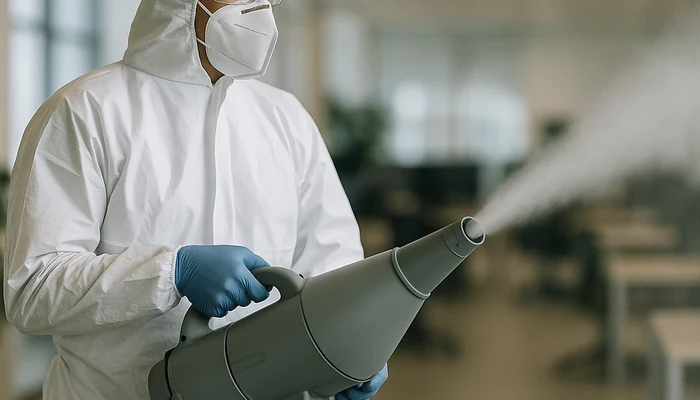
- Electrostatic sprayers for wide, even, and fine-mist coverage
- UV-C light systems for non-contact, rapid pathogen reduction on certain surfaces (CDC laboratory safety guidance details safe use)
- Foggers and steamers for hard-to-reach nooks and air handling
Selection depends on environment type, surface, and required turnaround time. Advanced technologies can significantly boost coverage in offices, clinics, and gyms.
Professional Disinfection Protocols: Building a Process Checklist
Professional cleaning companies create detailed, stepwise protocols aligned with health authority recommendations. A strong disinfection checklist covers:
- Surface mapping: Identify all high-touch and at-risk surfaces.
- Product inventory: Ensure use of only approved disinfectants for material compatibility
- PPE requirements: Gloves, masks, and goggles as needed
- Work zone sequencing: Clean from cleanest areas to dirtiest to avoid cross-contamination
- Post-process documentation: Logs, sign-offs, and photos for quality assurance
Establishing a documented process ensures repeatability and accountability.
Frequency Guidance: How Often Should Spaces Be Disinfected?
There is no universal frequency; needs are based on environment and activity. However:
- High-traffic commercial areas: At least once daily— often more during peak seasons.
- Homes: Weekly for general spaces; immediately after illness or accidents.
- Healthcare, gyms, spas: Between every user or patient, and at end-of-shift.
- Rental turnovers: Thorough cleaning after each guest, especially in short-term rentals.
Consistent review of policies, informed by public health guidance and observed outcomes, helps adjust schedules as needed.
Comparing DIY Disinfection With Professional Services
While many homeowners and businesses manage basic cleaning, professional disinfection offers distinct advantages:
- Expertise: Trained technicians follow strict protocols, use the right concentrations, and know which surfaces need special attention.
- Efficiency: Professionals can cover large or complex spaces quickly—essential for offices and rental turnarounds.
- Regulatory compliance: Commercial cleaning companies stay updated with standards, such as those recognized by Barbicide certification and CDC guidance.
- Documentation: Records are often needed for landlords, licensing, or insurance.
DIY is practical for day-to-day maintenance, but critical events or high-risk settings call for professional support.
High-Risk Zones: What Areas Require Extra Disinfection?
- Bathrooms and restrooms: Faucets, flush handles, door locks
- Kitchens and breakrooms: Countertops, appliance handles, tables
- Electronics: Phones, tablets, keyboards, remote controls
- Shared equipment: Fitness machines, toys, tools
- Entryways: Door pulls, elevator buttons, handrails
- Soft surfaces: Upholstered chairs, drapes, carpets
Documenting and addressing these priority zones ensures comprehensive, repeatable results.
Quality Control and Verification Methods
A strong disinfection strategy incorporates checks such as:
- Visual inspection for missed zones or residue
- ATP (adenosine triphosphate) testing: Measures biological material on surfaces to validate cleaning efficacy
- Process logs capturing time, products, and coverage
Some companies may also provide pre- and post-cleaning photo documentation.
The Role of Staff Training and Safety Protocols
Effective strategies depend on well-trained staff who:
- Understand disinfection science and chemical safety
- Follow consistent checklists and advanced protocols
- Use PPE appropriately to protect themselves and others
- Are briefed on special hazards like chemical mixing and sensitive equipment cleaning
Leveraging teams with active certifications, such as those from Barbicide or aligned with CDC laboratory safety protocols, raises the bar for quality and safety.
Integrating Disinfection With Routine Cleaning and Maintenance
Disinfection is most effective when integrated into regular cleaning routines. Start by removing dirt and dust, then apply disinfectant in a prescribed sequence. Scheduling periodic deep cleans—quarterly or seasonally—ensures hidden or neglected areas receive focused attention. Documenting these activities helps support compliance and hygiene culture.
Regular maintenance also extends the life of surfaces and equipment, as highlighted by the importance of thorough hygiene for surfaces. For further reading, see this resource on surface longevity.
Special Considerations: Sensitive Environments and Occupant Needs
Spaces occupied by children, immunocompromised individuals, or those with allergies require even stricter protocols:
- Low-VOC and fragrance-free disinfectants
- Enhanced documentation and traceability
- Frequent schedule adjustments as risk factors evolve
Clear, transparent communication about products and processes helps reassure those with heightened sensitivities.
Evaluating and Selecting a Professional Disinfection Company
Choosing the right company is crucial to achieving consistent and thorough results. Key evaluation criteria include:
- Clear service level agreements on process and results
- Proof of insurance, certifications, and staff training
- Flexible scheduling for recurring, deep, and even same-day needs
- Standardized checklists and clear communication
- Transparent, upfront pricing and accountability processes
Always seek references and reviews; reputable services offer office cleaning service, Airbnb cleaning, or deep cleaning packages tailored to your unique needs.
Supporting Hygienic Environments With Ongoing Education
Keeping up with the latest best practices is an ongoing process. Professional teams often participate in continuing education, following CDC, EPA, and industry-specific updates. Industry-recognized certifications signal a commitment to up-to-date, safe, and effective services.
For additional insights into maintaining hygiene and understanding protocols, explore effective hygiene strategies for environments and tools and techniques for commercial disinfection.
FAQ: Your Disinfection Strategy Questions Answered
- What is the difference between cleaning, sanitizing, and disinfecting?
- Cleaning removes debris, sanitizing reduces pathogens, and disinfecting kills most germs on nonporous surfaces using approved chemicals or technologies. Complete disinfection incorporates all three as steps in a layered process.
- How do professionals determine which disinfectant to use?
- They select EPA-approved products suitable for the specific pathogens, surface materials, and environment—taking into account allergies, sensitivities, and regulatory requirements.
- Is electrostatic disinfection better than manual application?
- Electrostatic spraying offers better coverage for large or hard-to-reach areas; however, manual methods remain important for delicate electronics and targeted zones. Most professionals use both as needed.
- How can I be sure a space has been thoroughly disinfected?
- Thorough documentation, visual inspections, and, in some cases, ATP testing provide verification. Ask companies about their checklists and validation methods.
- What frequency is recommended for homes versus offices?
- Homes typically benefit from weekly or situation-specific disinfection, while offices and other commercial spaces require daily to multiple-times-daily protocols, especially in communal areas.
- Does regular disinfection damage surfaces?
- When proper products and methods are used, surfaces are preserved. Overuse, or using the wrong chemicals, can lead to premature wear—hence professional assessment is essential. See guidance on surface hygiene and longevity.
- What should be done if someone in the household or office is sick?
- Immediately escalate disinfection for high-touch areas, increase frequency, and, if needed, schedule a professional deep cleaning for peace of mind and safety.
- Can tenants or landlords request documentation of disinfection before move-in?
- Yes—professionals provide documentation on request, supporting transparency for both tenants and property managers.
- What are signs of a high-quality cleaning company?
- Look for clear communication, standardized protocols, insurance, positive reviews, and options for recurring and specialty cleaning. Customized checklists and transparent pricing are key indicators, too.
Conclusion: Elevate Your Disinfection Strategy
Achieving complete disinfection for your environment requires a layered strategy embracing modern science, careful checklists, and trusted professionals. Assessment, documentation, and ongoing learning ensure health and confidence whether you manage a home, office, or specialized space in Chicago. For tailored solutions to your property, consider exploring Airbnb cleaning, office cleaning, or deep cleaning specials with CHI Cleaning Services.
About CHI Cleaning Services
CHI Cleaning Services helps households, property managers, and businesses in Chicago, Illinois and nearby areas achieve exceptional cleanliness and health. Our team specializes in recurring house cleaning, deep cleaning, move-out services, office and facility sanitation. With trained staff, standardized checklists, flexible scheduling, and a focus on transparent service, we deliver peace of mind for every client. Trust CHI Cleaning Services for professional care of your environment.
cleaning company, commercial janitorial services, commercial cleaning chicago il, commercial cleaning company Avondale IL, commercial cleaning contractors in Oak Park, Markham commercial cleaning companies, commercial cleaning Bradley, commercial cleaning company South Loop, commercial cleaning Lockport, commercial cleaning contractors in Lincoln Park