
Effective Strategies for Creating Clean, Healthy, and Comfortable Environments
Clean, healthy, and comfortable environments are more than just visually appealing spaces—they support well-being, productivity, and peace of mind at home and work. If you’re researching professional cleaning services and want to understand what truly goes into creating sanitized, inviting settings, this guide is for you. We’ll outline proven strategies, detailed checklists, decision frameworks, and key factors that make the difference, drawing on CHI Cleaning Services’ expertise in Chicago. By the end, you’ll have a deep understanding of how to establish and sustain an environment that supports health and comfort using the right professional approach.
Understanding the Foundations of a Clean and Healthy Environment
Before putting any strategy into action, it’s crucial to know what truly defines a clean, healthy, and comfortable environment. Cleanliness is not just about removing dirt; it involves controlling pathogens, allergens, and contaminants that affect air quality and health.
- Hygiene—regular disinfection of high-touch surfaces and bathrooms helps prevent disease transmission.
- Comfort—a clutter-free, odor-free environment improves mental wellness and productivity.
- Safety—proper cleaning minimizes slip hazards and cross-contamination risks.
Factors such as occupant lifestyle, building use, and frequency of use shape your ideal approach, making education an essential first step for anyone choosing a cleaning solution.
The Science Behind Cleanliness: Health and Psychological Benefits
Research from the DuPage County Health Department and other authorities underscores that regular, methodical cleaning and disinfection significantly reduce the risks of communicable illnesses, allergies, and absenteeism. The indirect effects are equally important: a tidy, organized space can reduce stress, improve mood, and boost productivity among families, employees, or guests.
- Improved air quality—Regular dust and allergen removal supports respiratory health.
- Mental clarity—Clutter-free environments promote focus and relaxation.
- Reduced transmission—Targeted disinfecting of shared areas limits viral and bacterial spread.
Decision Framework for Selecting Professional Cleaning Services
Choosing the right cleaning company means weighing multiple factors—scope, quality, trust, and specialization among them. Consider the following framework:
- Assess your space: Are you seeking one-time cleaning, recurring house upkeep, or specialized facility services?
- Check for staff training and consistency: Professional providers like CHI Cleaning Services use trained teams and standardized checklists to ensure quality every visit.
- Review product safety: Ask about the cleaning agents used, their suitability for allergies, and their effectiveness against germs.
- Confirm transparency: Look for clear communication, upfront pricing, and a satisfaction guarantee.
- Look for flexibility: Credible companies offer flexible scheduling it fits your lifestyle or business needs.
Dissecting the Types of Professional Cleaning Approaches
Differentiating between residential and commercial cleaning, as well as standard, deep, and specialized approaches, gives you control over cleanliness quality. Here’s a simplified comparison table to help clarify the options:
| Cleaning Type | Main Focus | Suggested Frequency | Best For |
|---|---|---|---|
| Standard Recurring Cleaning | Surfaces, vacuuming, dusting, bathrooms, kitchens | Weekly/Biweekly | Routine upkeep in homes, apartments, offices |
| Deep Cleaning | Detailed cleaning (behind/under appliances, fixtures, trim) | Seasonal or as needed | First-time, post-renovation, or preparation for move-in/move-out |
| Move Out/In Cleaning | Complete top-to-bottom, includes inside appliances/cupboards | Per move event | Landlords, tenants, realtors |
| Specialized Facility Cleaning | Offices, gyms, spas, medical, retail | Custom schedule | High-traffic or health-sensitive environments |
Checklist: Critical Areas and Surfaces That Define Comfort and Safety
- High-touch surfaces: doorknobs, light switches, faucets, appliance handles
- High-traffic floors—both hard surfaces and carpets
- Bathrooms (mirrors, sinks, toilets, grout)
- Kitchens (countertops, sinks, appliance fronts, backsplashes)
- Common areas: handrails, elevator buttons, shared tables or desks
- Soft furnishings: upholstery, drapes, cushions
Professional teams rely on consistent checklists like these to deliver the same high standard each time.
Comparing DIY Cleaning and Professional Results
While routine daily tidying can be maintained by occupants, deeper levels of cleanliness require expertise and equipment. Here’s how they stack up:
- Productivity and thoroughness: Trained pros clean more efficiently and reach less obvious problem areas.
- Special tools: Commercial-grade vacuums, microfiber systems, and eco-friendly sanitizers get superior results while preventing cross-contamination.
- Risk reduction: Pros are aware of hazards you might overlook, such as moisture under carpets or improper disinfectant mixing.
If you’re seeking professional-grade comfort and health for your family, team or guests, regular professional cleaning amplifies results beyond standard do-it-yourself cleaning.
Frequency Guidance: How Often Should Each Area Be Cleaned?
Cleaning frequency is guided by traffic, use type, and risk of contamination. Below is an actionable schedule to guide your plan:
- Daily: Disinfect kitchen and bathroom touchpoints, take out trash, wipe entryways.
- Weekly: Floors (vacuum, mop), wipe most surfaces, change linens.
- Monthly: Deep clean listed surfaces (inside appliances, under furniture, baseboards).
- Seasonal: Tune-up tasks like window washing, upholstery steam clean, or rotating mattresses.
Custom commercial schedules are usually driven by occupant loads and health requirements—consult specialized resources like APIC’s best practices for ambulatory settings for sensitive environments.
Checklists for Residences, Offices, and Special Facilities
Within Chicago’s diverse property landscape, the critical checklist varies. Here’s an overview for popular environments:
Residences (homes, apartments, condos, Airbnb)
- Kitchen: counters, appliance fronts, sinks, cabinet handles
- Bathrooms: toilets, faucets, mirrors, grout lines
- Living/bedrooms: floors, upholstery, dust-prone decor
- Entryways: doormats, handrails, mail slots
Offices/Workspaces
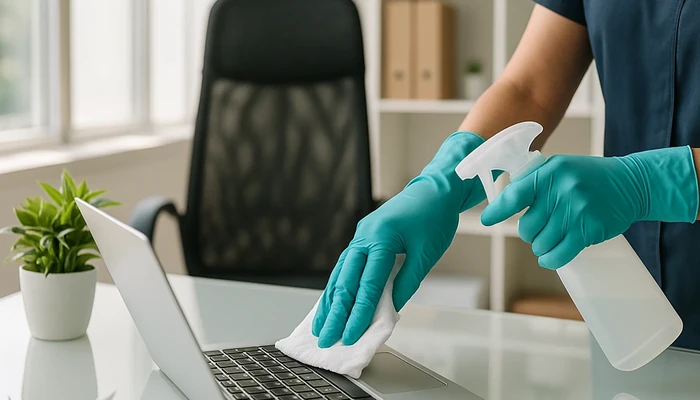
- Desks, phones, keyboards, drawer handles
- Meeting room tables, AV equipment, doorknobs
- Restrooms and break rooms
Special Facilities (Gyms, Spas, Medical)
- Equipment surfaces, lockers, water fountains
- Treatment rooms—tables, counters, dispensers
- Reception areas—all guest touch points
See also: Rest area and lounge best practices.
The Role of Safe, Professional Cleaning Products and Methods
One marker of a truly healthy environment is the selection of non-toxic, surface-appropriate, and eco-friendly cleaning products. Professional services such as CHI Cleaning Services invest in EPA-registered disinfectants and specialized tools that:
- Effectively remove pathogens (viruses, bacteria, mold spores)
- Protect sensitive surfaces from damage (granite, stainless, textiles)
- Reduce harsh residues and indoor air pollutants
Looking for advice on advanced techniques? See Tools and Techniques for Commercial Disinfection.
Managing High-Touch and High-Risk Zones
Some areas demand special attention and more frequent sanitation. These include:
- Restrooms: fixtures, dispensers, faucet handles
- Breakrooms: microwaves, refrigerator doors, coffee stations
- Common devices: light switches, shared remote controls, tablets
Use color-coded microfiber cloths and disposable cleaning supplies to avoid cross-contamination between these spaces.
Comfort-First Strategies: Going Beyond Visual Cleanliness
Long-term comfort is about more than surface shine. Insider strategies include:
- Air quality control: Change HVAC filters regularly, open windows when weather allows, and use air purifiers as needed.
- Odor prevention: Use enzymatic cleaners for kitchens/pet areas; regularly launder soft goods.
- Storage and organization: Declutter and rotate seldom-used items to keep spaces serene and safe.
Explore practical organizing tactics at Organizing a Cleaning Schedule to Maximize Efficiency.
Sanitation Protocols and Advanced Disinfection Techniques
Recent years have elevated hygiene protocols in both residential and commercial settings. Key techniques include:
- Electrostatic spraying: Allows even, enveloped application of disinfectants on complex surfaces.
- Steam cleaning: Chemical-free method for deep sanitization.
- Touchpoint mapping: Documenting frequently handled areas for targeted cleaning.
For in-depth protocols, see Strategies For The Complete Disinfection Of Environments.
Tailoring Comfort and Hygiene to Special Facility Needs
Not all environments are equal. High-traffic or sensitive settings—such as childcare, medical, or hospitality spaces—require adaptive approaches:
- In daycare or nursery areas, use only kid-safe, low-residue products and schedule cleaning outside active hours.
- Gyms and spas require strict protocols for shared equipment and locker rooms—review cleaning storage areas in gyms for details.
- Retail and customer service spaces benefit from visible cleaning routines to reassure visitors.
Evaluating Results: Signs Your Space Meets Comfort and Health Standards
- No persistent odors
- Consistently dust-free surfaces and air vents
- Absence of visible grime, mold, or neglected corners
- Regular occupant feedback indicating satisfaction
- Reduced minor illnesses or allergies
Remember, some health impacts (like reduced absenteeism or allergy symptoms) are gradual—consistency matters for lasting results.
Red Flags and Common Barriers to Ongoing Comfort and Hygiene
Even the best strategies can be derailed by missed details:
- Forgetting rarely-used guest areas or storage spots
- Letting supplies or tools go uncleaned
- Ignoring high places (light fixtures, vents)
- Neglecting to monitor cleaning frequencies when occupancy changes
Routine review and communication with your cleaning provider help ensure nothing is missed.
Maintaining Comfort and Hygiene Over the Long Term
Achieving health and comfort is an ongoing process:
- Schedule regular deep cleans to reset the space
- Update and rotate cleaning checklists as your space or use changes
- Educate all users on day-to-day cleanliness—post clear signage where needed
- Stay informed about new products and disinfection approaches recommended by health authorities
Periodic expert review from CHI Cleaning Services can help assess changing needs and recommend tailored improvements.
Frequently Asked Questions: Clean, Healthy, and Comfortable Environments
- How do professionals ensure both a clean and comfortable space?
- Professionals use standardized checklists, quality surface-appropriate products, and attention to high-touch and high-use spaces to achieve visible and psychological comfort.
- How often should I schedule deep cleaning vs. regular upkeep?
- Deep cleaning is generally recommended every 3–6 months or with significant use changes; regular cleaning should occur weekly or biweekly, tailored to traffic and use.
- What areas are most often missed in standard cleaning?
- Commonly overlooked: baseboards, air vents, around/behind appliances, high shelves, and soft furnishings. Checklists help avoid these gaps.
- Are eco-friendly products as effective for hygiene?
- Many professional-grade green cleaners are highly effective and safer for respiratory health and sensitive skin—just confirm EPA registration and suitability for your surfaces.
- How do I know if my office cleaning routine is effective?
- Assess feedback, appearance, employee sick rates, and satisfaction with high-touch area cleanliness. Periodic audits and adjustments ensure optimal outcomes.
- What safety measures do reputable cleaning companies follow?
- Use of PPE, correct chemical dilution, cross-contamination prevention methods (like color-coded towels), and employee health protocols are all standard practices among top providers.
- How can we sustain comfort and hygiene in high-turnover places like Airbnbs?
- Automated scheduling, property-specific checklists, and using the same team regularly help maintain standards.
- What should tenants or landlords ask before booking cleaning?
- Ask about detailed scope, product safety, cleaning verification, insurance, and flexibility to ensure both parties’ needs are covered.
- Can comfort be achieved in workplaces with open layouts or hot-desking?
- Yes, but it requires added focus on shared surfaces, daily disinfecting of tech/equipment, personal storage hygiene, and proactive communication.
- How is cleaning for sensitive environments like medical or childcare different?
- Protocols are stricter, with specialized disinfectants and more frequent touchpoint sanitation. Consult official resources and experienced providers for these standards.
Wrap-Up: Next Steps for Safer, More Comfortable Spaces
The path to a consistently clean, healthy, and comfortable environment starts with informed decisions—choosing the right provider, tools, and routines for your unique space. By implementing the checklists, frequency guidance, and decision frameworks covered here, you’ll enhance well-being for everyone who enters your home, office, or business in Chicago.
For recurring detailed cleaning on your schedule, CHI Cleaning Services supports both homes and businesses with professional staff, transparent pricing, and a tailored approach to your needs. Consider arranging office cleaning service, move out cleaning, or Airbnb cleaning for specialized solutions in the Chicago area.
About CHI Cleaning Services
CHI Cleaning Services is dedicated to helping households and businesses in Chicago, Illinois and nearby areas keep their spaces clean and healthy. Our team specializes in recurring house cleaning, deep cleaning, move out cleaning, office cleaning, and specialized facility cleaning services. With attention to detail, well-trained staff, and professional equipment suited for every surface, CHI Cleaning Services delivers consistently high-quality results. Our transparent communication and long-term client relationships make client comfort and safety a daily priority. CHI Cleaning Services—your local partner for maintaining healthy, comfortable environments.
cleaning companies chicago, commercial cleaning contractors, commercial cleaning companies in chicago, commercial cleaning Miami FL, Morton Grove commercial cleaning companies, Rosemont commercial cleaning, commercial cleaning company Wllowbrook IL, commercial cleaning in Bolingbrook, commercial cleaning company Oak Park, commercial cleaning contractors in Spring Grove