 Skip to content

Chicago Security Deposit Cleaning: What Renters Should Document Before Handing Over Keys
Moving out of a rental property in Chicago brings a mix of excitement and responsibility. As a renter, one of the most crucial aspects is ensuring your security deposit is returned in full. To secure your refund and prevent disputes, it’s essential to know exactly what to clean, how to document the property’s condition, and which steps to take before handing over your keys. In this guide, we’ll break down everything renters in Chicago need to document during security deposit cleaning, including photographic checklists, cleaning standards, legal frameworks, best practices, and expert recommendations from CHI Cleaning Services.
Understanding Chicago’s Security Deposit Laws and Documentation Standards
The City of Chicago has clear requirements for both landlords and tenants concerning security deposits—especially regarding documentation. The Chicago Residential Landlord and Tenant Ordinance (RLTO) outlines what counts as normal wear and tear, what must be cleaned, and the evidence required if disputes arise. Renters should familiarize themselves with these guidelines before move-out day.
- Landlords must provide an itemized list of any deductions with documentation.
- Tenants should keep thorough records before and after move-out to support their case.
- Both written and photographic evidence are valuable in case of disagreements.
Consult official local resources or legal aid for up-to-date RLTO guidelines to support your documentation approach.
Critical Timing: When to Start Documenting Your Cleaning Efforts
Begin your documentation process as soon as you start preparing for move-out cleaning. Ideally, take photos and notes in stages:
- Pre-cleaning – Capture the property’s initial condition.
- During cleaning – Document problem spots, major improvements, or landlord-identified issues.
- Post-cleaning – Record each room after you have finished.
- Final walk-through – Take dated photos before returning keys.
This approach offers a timeline and proof that your cleaning met the required standards.
Move-Out Cleaning Versus Standard Cleaning: Impact on Your Documentation
Move-out cleaning holds a higher standard than routine or weekly cleaning. Landlords expect a rental to be virtually spotless—beyond what’s considered reasonable during ordinary use. Let’s compare:
- Standard cleaning: Dusting, vacuuming, quick bathroom and kitchen tidy-up.
- Security deposit (move-out) cleaning: Deep cleaning of appliances, interior cabinets, behind and under furniture (if not removed), baseboards, grout, and all surfaces.
Documentation for move-out must reflect the elevated standards and any repairs or detailed cleaning required by your lease:
- Take close-up shots of areas prone to wear (baseboards, vent covers, appliances).
- Photograph inside appliances, cabinets, and closets.
- Document specialty areas like windowsills, moldings, and bathroom tile grout.
Creating a Room-by-Room Cleaning Photo and Documentation Checklist
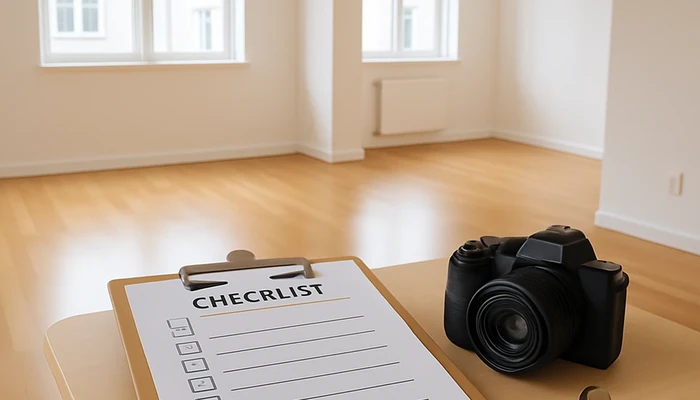
A methodical approach ensures you don’t miss documentation opportunities. Here’s a structured, room-by-room cleaning and documentation checklist:
- Living Room & Bedrooms: Walls (scuffs, nail holes, stains), floors (carpet or hardwood condition), closets (empty and clean), light fixtures and outlets.
- Kitchen: Stove/oven (inside/out), refrigerator/freezer (shelves, doors, crisper drawers), sink and faucet (no residue), countertops, cabinets (inside and out), backsplash (clean and grease-free), dishwasher (if applicable).
- Bathroom(s): Tub/shower (tile/grout, soap scum), toilet (interior and exterior), sink/vanity (inside drawers/cabinets), exhaust fan vents, mirrors, towel bars.
- Common Areas: Entryways, hallways, windowsills, doors, locks, baseboards, blinds/curtains, heating/cooling vents.
- Balconies/Outdoor spaces: Sweep and remove debris, document condition of fixtures or railing.
At each step, document with clear, well-lit photos. Make written notes about pre-existing damage you could not repair or clean (e.g. deep stains, broken fixtures).
Essential Move-Out Documentation Table
| Area | Photo Needed? | Description/Detail to Record | Additional Note |
|---|---|---|---|
| Walls & Baseboards | Yes | Cleanliness, repairs, scuffs | Note paint touch-ups |
| Carpets/Floors | Yes | Stains, cleanliness, damage | Highlight any professional cleaning receipts |
| Kitchen Appliances | Yes | Inside & outside, grime or build-up | Include photos of empty appliances |
| Inside Cabinets/Drawers | Yes | No debris left | Open-door photos |
| Bathroom Fixtures | Yes | Mold, soap scum, limescale | Close-up of grout/seams |
| Windows & Sills | Yes | Clean/fire safety compliant | Show working locks/screens |
| Outdoor Spaces | Optional | Clean, clear of debris | Only if part of rental |
Best Practices for Secure and Court-Ready Cleaning Documentation
Thorough documentation protects you if your deposit return becomes contested. Follow these best practices:
- Date-stamp all photos – Use a phone camera with time/date embedded or include today’s newspaper in images.
- Label and organize files – Sort by room and sequence to create an audit trail.
- Keep cleaning receipts – Save invoices for professional cleaning or repairs.
- Follow up in writing – Send your move-out documentation to your landlord/property manager and confirm receipt.
- Store digital and/or hard copies – Use cloud backup or USB devices for long-term storage.
How to Use Cleaning Checklists When Documenting for Your Security Deposit
A thorough cleaning checklist, adapted to your unique property, keeps your process transparent. Many professional cleaning companies, including CHI Cleaning Services, use detailed checklists to ensure every area is addressed. Renters can benefit from a similar strategy:
- Tick off each task as you clean, and attach matching before-and-after photos.
- Use the checklist to discuss expectations with landlords or property managers before your move-out inspection.
- Compare final results to the move-in checklist or original inspection report, if available.
Sample Documentation Cleaning Checklist
- Walls: free of marks and holes
- Carpets: vacuumed, stains treated or professional cleaned if required
- Windows: washed inside, sills cleaned
- Appliances: every surface wiped inside/out
- Cabinets: emptied, shelves cleaned
- Bathroom: all fixtures disinfected
- Flooring: swept and mopped
Addressing Common Overlooked Areas in Security Deposit Cleaning
Many renters lose part of their deposit due to missed spots that are easily forgotten. Document these:
- Behind appliances (refrigerator, stove)
- Inside vent/fan covers
- Under sinks (check for leaks or debris)
- Blinds and curtain rods
- Utility closets, laundry areas
- Light switch plates and doorknobs
Snapshots of these areas help prove you met the expected standard when handing over keys.
Legal Documentation vs. Practical Documentation: Knowing the Difference
Some documentation is mandatory for legal protection, while other forms simply expedite landlord approval. Legal must-haves include:
- Photo record of every room (pre and post-cleaning)
- Move-in inspection report for comparison (if available)
- Receipts for cleaning or repairs (if you use professionals)
- Written correspondence about the condition of the unit
Practical extras include video walk-throughs, annotated checklists, or witness statements if disputes are common in your building.
Collaborating with Landlords and Property Managers for Smooth Transitions
Proactive communication can be your best tool. Tips for documentation in collaboration with your landlord or property management:
- Request a pre-move-out inspection to identify specific cleaning or repairs needed.
- Share your planned cleaning documentation process in advance.
- Attend the final walk-through and take photos together, reviewing the checklist side by side.
- Confirm all agreements in writing and share copies of your documentation post-move-out.
This joint approach minimizes surprises and fosters trust during the deposit return process.
Professional Cleaning Versus DIY: Documentation Benefits and Comparisons
Hiring a professional cleaning company isn’t required by law but may be requested by some leases. Pros and cons for documentation:
- DIY cleaning: Requires more time, energy, and a disciplined documentation approach; better for minor touch-ups and smaller units.
- Professional cleaning: Companies like CHI Cleaning Services provide detailed checklists, before-and-after evidence, and formal invoices to support your deposit claim.
When using professionals, always request a copy of their documentation or checklist for your records. Save any communication that outlines services rendered.
Chicago-Specific Move-Out Documentation Challenges
Chicago’s unique rental landscape—including high-rise buildings, older properties, and frequent tenant turnover—can pose challenges. Renters should:
- Document common-area responsibilities if specified in your lease.
- Report pre-existing property issues or building maintenance concerns separately from your own cleaning responsibilities.
- Use additional photos for elements unique to Chicago buildings (radiators, fire escapes, alley waste disposal areas).
Consult building guidelines to ensure all shared spaces you are responsible for are documented and cleaned accordingly.
Troubleshooting: How to Handle Disputes About Cleaning and Documentation
If your landlord disputes the return of your security deposit, proper documentation is key. Steps to protect yourself:
- Refer to your photographic and written records.
- Request a copy of the landlord’s itemized deduction list, as required by the RLTO.
- Seek mediation or legal counsel if you believe deductions are unfair.
- Familiarize yourself with trusted resources, like the CDC’s rental cleaning and maintenance standards, for additional documentation support.
Integrating Professional Standards in Your Security Deposit Cleaning Documentation
Professional standards in cleaning and documentation help set expectations. Many tenants use frameworks recommended by experts and health organizations to prepare their documentation:
- Cite the EPA’s mold and cleaning best practices if you treat or document any mold issues during move-out.
- Adopt practices from reputable local cleaning companies, like CHI Cleaning Services, including room-by-room checklists and thorough visual records.
Sample Move-Out Cleaning Documentation Timeline: What to Do and When
The following breakdown helps you plan your cleaning and documentation process in the weeks leading up to move-out:
- Two weeks before: Review your lease and schedule a pre-move-out inspection (if available).
- One week before: Deep clean, make minor repairs, and take “before” photos of trouble spots.
- Move-out day: Perform final cleaning, complete checklist with matching documentation, and do a last property walk-through before returning keys.
- After move-out: Send all documentation, receipts, and keys to your landlord with a written note confirming the property’s condition.
Frequently Asked Questions: Chicago Security Deposit Cleaning and Documentation
- Is photographic documentation required by law in Chicago for security deposits?
- No, but it is highly recommended to provide evidence in case of disputes.
- What should I do if my landlord claims poor cleaning despite my records?
- Share your photos, checklists, and receipts; request their itemized deductions; seek mediation if necessary.
- Does professional cleaning guarantee my deposit back?
- Not always, but professional services can provide thorough evidence to support your claim.
- What is considered normal wear and tear versus required cleaning?
- Normal wear includes faded paint or minor scuffs; cleaning involves removing dirt, grime, or residue from all surfaces.
- How should I organize my cleaning documentation?
- Label files by room, date-stamp all images, and keep digital backups for at least a year.
- Can I use video in addition to photos for documentation?
- Yes, video walk-throughs are useful for showing the property’s condition in real time.
- Are cleaning checklists from professionals accepted by landlords?
- Usually yes, as they detail what was cleaned; always confirm your landlord’s preferences.
- Should I document shared or common areas?
- Yes, if your lease holds you responsible for them.
Recap: Key Steps to Document Security Deposit Cleaning Before Move-Out
- Understand your legal responsibilities as a Chicago renter.
- Start documentation early—pre, during, and post-cleaning.
- Use checklists and organize your files for easy retrieval.
- Include both photos and written notes for each room and area.
- Communicate proactively with landlords and property managers.
- Always keep duplicates of your documentation and receipts.
If you want professional assurance—and a detailed checklist to support your documentation—consider move-out cleaning from a dedicated move-out cleaning team in Chicago. For Airbnb, office, or specialty facility needs, Airbnb cleaning and office cleaning service options are available as well.
About CHI Cleaning Services
CHI Cleaning Services helps households and businesses in Chicago, Illinois and nearby areas keep their spaces clean and healthy. Our team specializes in recurring house cleaning, deep cleaning, move out cleaning, office cleaning, and facility cleaning. Every service follows strict quality and safety checklists, and our trained cleaning staff use professional-grade products for each surface. To explore high-quality cleaning solutions, visit CHI Cleaning Services.
cleaning company in chicago, end of lease cleaning Cleaning Chicago, move out cleaning Cleaning Chicago il, Barrington move out cleaning, move out cleaning Great Lakes, move out clean Westmont IL, move out cleaners Des Plaines, apartment move out cleaning Lake Bluff, move in move out cleaning Franklin Park, Montgomery cleaning services move out
