Deep Cleaning: Beyond the Basics – A Practical Guide for Homes and Businesses
Deep cleaning: it’s a term you may have seen in service menus or heard during spring cleaning routines, but what truly sets it apart from standard cleaning? This guide takes you beyond the surface, providing a clear understanding of what Deep Cleaning: Beyond the Basics means in real-world homes, offices, and specialist facilities. You’ll learn how professionals approach deep cleaning, what advanced techniques and checklists are involved, strategies for maintaining hygiene, safety precautions, and how to select the right company when high standards matter most. CHI Cleaning Services in Chicago ensures the highest level of cleanliness with attention to detail every step of the way. Let’s get started with the trusted knowledge you need.
What Sets Deep Cleaning Apart from Routine Cleaning?
Most people understand the basics of cleaning: wiping, dusting, vacuuming. Deep cleaning, however, goes several layers further. It involves targeting buildup and contamination in ignored zones, reaching under furniture, behind appliances, and inside fixtures. Professional deep cleaning follows strict protocols, ensuring surfaces are not just visually clean but hygienic at a microbial level. The focus keyphrase, Deep Cleaning: Beyond the Basics, describes this step up—where the real difference comes from expertise, specialized equipment, and methodical execution.
- Frequency: Often seasonal, move-in/move-out, or after events.
- Depth: Includes areas skipped in routine chores—vents, baseboards, grout, inside appliances.
- Outcome: Healthier, allergen-free, truly spotless spaces.
Professional Deep Cleaning Frameworks: How Pros Plan and Execute
Deep cleaning companies don’t just improvise—they work from detailed frameworks. Here’s how professionals approach Deep Cleaning: Beyond the Basics in both residential and commercial spaces:
- Site assessment: Evaluate the unique needs (pets, high-use spaces, sensitivities, facility type).
- Customized checklist: Develop a room-by-room protocol, factoring for surfaces, materials, and traffic.
- Equipment preparation: Select safe, effective products and machinery (HEPA vacuums, steamers).
- Safe access/specifications: Address electrical, data privacy, or hazardous areas if commercial.
- Documented process: Supervisors monitor progress for compliance and standards.
The Deep Cleaning Detail Checklist: Room-by-Room Insights
Every successful deep clean relies on a checklist that covers much more than just the basics. Here’s how professionals divide and conquer:
| Area | Deep Cleaning Focus | Frequency Recommendation |
|---|---|---|
| Kitchens | Degrease cabinets, inside appliances, sanitize sinks, detail floors, vent hoods | Monthly to quarterly |
| Bathrooms | Descale fixtures, scrub grout/tiles, sanitize all touchpoints | Monthly |
| Living Areas | Upholstery cleaning, high dusting, window tracks, deep carpet cleaning | Quarterly |
| Offices/Workspaces | Keyboards/phones, under desks, sanitize meeting spaces | Bi-annually |
| Special Facilities | Equipment sanitization, air handling units, sensitive electronics | Depends on facility use |
Comparison: Deep Cleaning Versus Standard Cleaning
Still unsure what level of cleaning you need? Compare the approach and results below:
- Scope: Deep cleaning targets hidden and high-contact areas; standard cleaning maintains surfaces.
- Methods: Pros use advanced tools/techniques—steam, HEPA, specialty chemicals—in deep cleans.
- Hygiene Impact: Deep cleans reduce pathogens and allergens, ideal for infection prevention (CDC guidance).
- Time/Effort: Deep cleaning is more time-intensive and may require trained teams.
- Frequency: Standard cleaning is often weekly; deep cleaning as needed per use/industry standards.
Preparation Steps for a Seamless Deep Clean
Effective preparation is central to Deep Cleaning: Beyond the Basics. Whether you’re scheduling a professional service or starting your own, follow these steps:
- Declutter surfaces and floors.
- Communicate special concerns (allergy, fragility, security).
- Provide clear access to all target spaces.
- Review checklists with your cleaning company beforehand.
Advanced Tools and Products Used in Professional Deep Cleaning
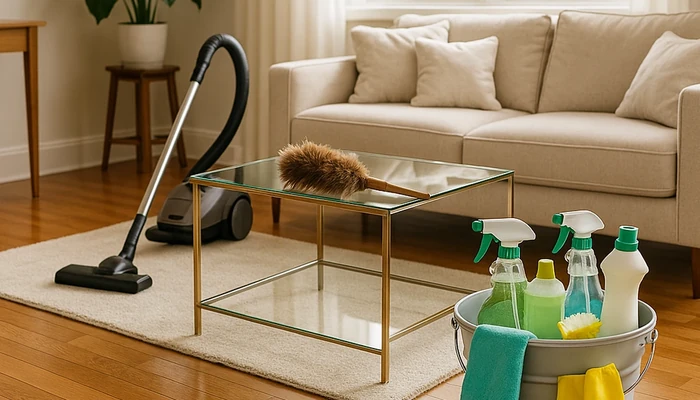
Industry pros leverage the latest cleaning technology and eco-conscious products. Here’s a rundown:
- HEPA-filtered vacuums: Trap fine dust/allergens.
- Steam cleaners: Disinfect without harsh chemicals.
- Microfiber systems: Lift and lock debris efficiently.
- Hospital-grade disinfectants: Ensure thorough sanitation.
- Eco-friendly choices: Products recommended by the EPA for safer cleaning.
Checklist: High-Touch and Commonly Missed Spots
Even conscientious cleaners may overlook these areas:
- Light switches and doorknobs
- Behind toilets, under sinks
- Window sills, tracks, ledges
- Ceiling fans and vents
- Under furniture and beds
- Baseboards and crown molding
- Telephones, remote controls, keyboards
Hygiene, Allergen Control, and Infection Prevention
Professional deep cleaning is essential for spaces where health is a priority—medical offices, schools, gyms, and homes with vulnerable occupants. By following evidence-based protocols (like those described by the CDC), cleaning teams reduce risk of illness, control allergens, and protect air quality.
- Use approved disinfectants on high-contact areas
- Replace or wash microfiber cloths between rooms
- Pay special attention to kitchen and bathroom sanitation
Safety Protocols: Protecting Health During Deep Cleaning
Proper safety is a hallmark of Deep Cleaning: Beyond the Basics. Professional cleaners:
- Use PPE (gloves, masks, goggles) as needed
- Check product safety data sheets for appropriate handling
- Ensure ventilation in enclosed or chemical-use areas
- Respect client privacy and security for personal or sensitive areas
Evaluating Deep Cleaning Results: What Should You Expect?
An expert deep clean delivers more than what is visible at first glance. Here’s how to assess finished work:
- No dust behind or under large furniture/appliances
- Every touchpoint sanitized—lights, switches, handles
- Kitchens and bathrooms free from scale, residue, mold, or odors
- Carpets and upholstery look brighter, fresher, and feel sanitized
- Documented checklist cross-checked by supervisor
Choosing a Professional Deep Cleaning Company: Key Criteria
Your choice of cleaning provider matters for quality and safety. Look for:
- Trained, background-checked staff
- Clear, detailed checklists provided in advance
- Transparent, upfront pricing
- Positive reviews and client references
- Specialization in your type of property or facility
For homes, apartments, or commercial spaces in Chicago, consider experts who offer flexible options, such as recurring house cleaning, office cleaning, or Airbnb cleaning (soft CTAs to relevant service pages only after delivering value).
Deciding When Deep Cleaning Is Needed: Scenarios and Triggers
- Moving in or out of a property
- After remodeling, construction, or major events
- Seasonal changes—spring or fall
- Illness outbreaks or allergen flare-ups
- Routine maintenance for commercial health/safety codes
For specific recommendations after renovations, see deep cleaning after alterations. For infection control, consult infection control in household deep cleaning.
Customizing Deep Cleaning for Different Properties and Needs
No two spaces are the same. Deep cleaning in an office, Airbnb, or medical facility requires adaptation:
- Residential: Daily living, pets, children, allergies
- Commercial: Compliance standards, shared amenities, electronics
- Special: Spas, gyms, post-construction, event spaces
For in-depth industry tips, visit deep cleaning: a comprehensive approach or explore performing a deep cleaning of leased properties.
Deep Cleaning Frequency: How Often Should Spaces Go Beyond the Basics?
The ideal schedule depends on use and risk factors:
- High-traffic homes: Every 3–6 months
- Airbnbs or rentals: Between guests, quarterly at minimum
- Offices: 2–4 times per year, more with shared equipment
- Healthcare, daycare: Monthly or per regulatory guidance
Remember: Results depend on occupancy, lifestyle, pets, and cleaning habits.
Integrating Green Practices in Deep Cleaning
Eco-friendly solutions are a growing priority. Choose providers and products aligned with EPA greener cleaning recommendations. Green deep cleaning:
- Protects indoor air quality
- Minimizes chemical exposure for sensitive individuals
- Reduces environmental impact
Case Examples: Before and After Deep Cleaning Beyond the Basics
Professional deep cleaning delivers visible and invisible improvements. A sample of real-world cases:
- Family home, pet allergens: Deep cleaning cut allergy symptoms, improved comfort by cleaning floors, upholstery, and air vents.
- Medical office: Specialized protocols addressed infection risks, sanitizing high-contact areas and waiting rooms.
- Rental turnover: Deep cleaning secured security deposit by restoring kitchen/bathroom appliance hygiene and eliminating odor.
Frequently Asked Questions: Deep Cleaning Beyond the Basics
- How is deep cleaning different from regular cleaning?
A deep clean focuses on thorough, infrequent cleaning of less-visible areas, targeting buildup, germs, and allergens that standard routines miss. - Can I do deep cleaning myself or should I hire pros?
DIY deep cleaning is possible for lighter tasks, but professionals have the training, equipment, and protocols for advanced results, especially in commercial spaces or where health standards are critical. - How long does a professional deep clean take?
Time varies: a 2-bedroom home may take 4–7 hours, while offices depend on size and equipment involved. - Does deep cleaning require special chemicals?
Top-tier services often use hospital-grade (yet surface-safe) disinfectants along with eco-friendly options approved by the EPA. - What areas are most likely to be missed without professional deep cleaning?
Vents, under appliances, inside cabinetry, baseboards, grout, HVAC registers, and behind toilets are commonly overlooked. - How soon can I use my space after a deep clean?
Most areas are ready immediately, but ventilate if strong products were needed in kitchens or baths. - What if I have allergies or sensitivities?
Mention this to your cleaning team; they can use fragrance-free, hypoallergenic, or green-certified methods to accommodate. - How often should I schedule deep cleaning?
For most spaces every 3–6 months is ideal; heavy-use or sensitive facilities may need more frequent service.
Conclusion: Unlocking the Benefits of Deep Cleaning Beyond the Basics
When you go beyond the basics with deep cleaning, you’re investing in health, comfort, and the long-term value of your home or business. Whether you manage a busy household, host guests, or oversee a workplace in Chicago, the deeper clean makes all the difference. For tailored cleaning options, consider professionals who blend advanced checklists, trustworthy staff, and exceptional standards—hallmarks of CHI Cleaning Services. Explore service options such as Office cleaning service, Airbnb cleaning, or Move out cleaning when it’s time for a fresh start.
About CHI Cleaning Services
CHI Cleaning Services helps households and businesses in Chicago, Illinois and nearby areas keep their spaces clean and healthy. Specializing in recurring house cleaning, deep cleaning, move out cleaning, office, and facility cleaning, the trained staff follow rigorous checklists and safety protocols tailored to every situation. With flexible scheduling, professional equipment, and transparent communication, CHI Cleaning Services is committed to long-term client relationships and healthier living and working environments.
cleaning companies in chicago, deep clean chicago, home deep cleaning chicago, professional deep cleaning River North, professional deep cleaning West Dundee IL, deep house cleaning Crest Hill, deep house cleaning Bucktown IL, deep cleaning Lake Forest, deep cleaning Wllowbrook IL, deep clean Bradley