Electrostatic Sprayers: Understanding Their True Role in Professional Cleaning
If you’ve heard about electrostatic sprayers in cleaning services, you may wonder: Are they really the “next big thing” in disinfection, or can they sometimes do more harm than good by spreading sticky residue? With many Chicago residents, property managers, and business owners relying on professional cleaning to maintain health standards, knowing when these devices help—and when they’re better left unused—is critical. In this comprehensive guide by CHI Cleaning Services, you’ll discover precisely what electrostatic sprayers are, how they work, the situations where they provide real value, and the situations where they’re best avoided.
What Are Electrostatic Sprayers—and Why Did They Rise in Popularity?
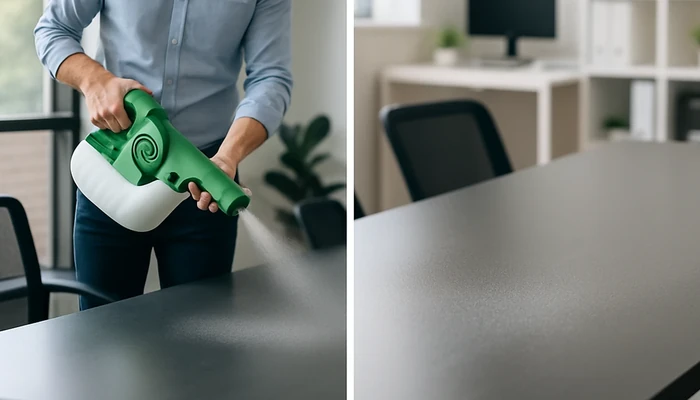
Electrostatic sprayers are specialized devices designed to apply disinfectants and cleaning solutions evenly across surfaces. The core technology charges liquid droplets as they’re sprayed, which allows the solution to wrap around and adhere to objects—including hard-to-reach and oddly-shaped surfaces. Their popularity surged during the COVID-19 pandemic, when demand for fast, high-coverage disinfection was at its peak in offices, schools, medical facilities, and homes.
- Designed for efficient, full-coverage disinfection
- Reduce manual labor for large, cluttered, or complex spaces
- Advertised as a way to target high-touch or tricky areas
How Do Electrostatic Sprayers Actually Work?
Unlike standard sprayers that emit droplets passively, electrostatic devices add an electrical charge to the cleaning solution, meaning:
- Tiny charged droplets are ejected from the nozzle
- The droplets are attracted to and envelop surfaces, driven by static electricity
- This “wrap-around effect” offers coverage behind, underneath, and on irregular objects
It’s an impressive process for certain jobs, but there are technical limits—especially regarding residue control and proper chemical selection.
Benefits of Electrostatic Sprayers: Targeted Use Cases That Truly Add Value
Not every cleaning scenario justifies the use of electrostatic sprayers. However, in specific contexts, their strengths make them first-choice tools:
- Large, cluttered areas: Office floors, gyms, warehouses, classrooms, and assembly halls
- High-value touchpoints: Shared equipment, door handles, railings, fitness machines, and cafeteria seating
- Time-sensitive turnarounds: Airbnbs between guest stays, rotating commercial spaces, and shift-based operations
- Regulated industries: Health facilities and childcare centers with strict disinfection requirements
Used correctly, these devices provide broad safety benefits and workforce efficiencies, especially in settings where deep, uniform coverage is difficult by hand.
Critical Limitations: When Electrostatic Sprayers May Spread Residue Instead of Clean
Despite high-tech claims, electrostatic sprayers can have drawbacks, especially if:
- The wrong disinfectant is used (not labeled for electrostatic application)
- Surface dirt, dust, or grease isn’t removed first
- Operators move too quickly or overlap coverage unevenly
- Too much solution is applied, leaving sticky or visible films after drying
In these cases, rather than enhancing cleanliness, sprayers may actually spread unseen contaminants, trigger allergies, or damage finishes. Proper technique, chemical choice, and pre-cleaning matter just as much as the tool itself.
Electrostatic vs. Other Disinfection Methods: A Comparative Overview
| Method | Best For | Limitations |
|---|---|---|
| Electrostatic Spray | Large areas, complex shapes, quick turnover | Residue risk, needs prior surface cleaning |
| Manual Wipe | Critical touchpoints, visible soil removal | Labor-intensive, missed spots, slower |
| Misting/Fogging | Air and surface disinfection in closed spaces | Potential inhalation risk, less precise coverage |
| Hydrostatic Spray | Outdoor/industrial surfaces | Often over-saturates indoor areas |
See the tools and techniques for commercial disinfection guide for deeper comparisons.
Checklist: Deciding When to Use Electrostatic Sprayers in a Cleaning Plan
- Assess surface cleanliness: Is dirt/grime visible? Pre-clean before spraying.
- Choose compatible disinfectant: Only use solutions approved for electrostatic devices to prevent hazardous vapors or films.
- Space type & occupancy: Are there delicate or valuable items? Avoid in areas with electronics or soft furnishings if unsure.
- Legal and safety guidelines: Check industry requirements and any city health department advisories. See Chicago’s official cleaning regulations for reference.
- Staff training: Has the operator been trained to adjust spray settings, pacing, and solution ratios?
Consider this checklist a safeguard: if several criteria cannot be met, opt for manual or hybrid methods to reduce residue risk.
Common Sources of Residue: Chemistry and Application Mistakes
The most frequent reasons for unwanted deposits after using electrostatic sprayers are:
- Disinfectant left to air-dry without wiping, especially on glass, metal, or polished wood
- Overlapping passes without allowing for adequate drying between applications
- Use of concentrated cleaning products not meant for electrostatic dispersal
- Incorrect dilution ratios or expired chemicals
- Poor ventilation—entrapping mist and moisture after spraying
How Professionals Minimize Residue:
- Spot-clean all visible soils before spraying
- Use only labeled, tested disinfectants for sprayers
- Calibrate sprayer atomization settings to match room size and surface type
- Post-spray, inspect for buildup and wipe sensitive areas as needed
High-Risk Areas: Locations Where Electrostatic Sprayers Should Be Used Cautiously
While electrostatic sprayers excel in many environments, certain locations require special care—or alternative methods altogether:
- Electronics-heavy rooms: Computer labs, server areas, point-of-sale terminals
- Soft materials: Upholstery, curtains, acoustic panels
- Food preparation zones: Unless explicitly allowed, avoid spraying on prep counters
For further guidance, see integrated hygiene solutions for food service environments for food safety protocols.
Step-by-Step: Professional Process for Safe Electrostatic Disinfection
- Site Inspection: Map out surfaces, sensitive items, and airflow paths.
- Surface Preparation: Remove cable clutter, paperwork, and loose odds and ends.
- Pre-Cleaning: Manual wipe of soiled spots, vacuuming of dust or debris.
- Sprayer Preparation: Mix and load only compatible, approved disinfectant.
- Methodical Spraying: Spray from the farthest point, using slow, even sweeps with minimal overlap.
- Ventilate: Open windows or activate exhaust fans to help dry surfaces and clear any mist.
- Post-Inspection: Check for visible film or residue, especially on glass or high-touch areas; spot-wipe if needed.
This multi-step process stands in contrast to quick, single-pass spraying—which is more likely to create residue.
Residue Remediation: What to Do If You Notice Sticky or Cloudy Surfaces
If a surface starts feeling tacky or you see streaks after an electrostatic treatment, take these corrective steps:
- Wipe down affected areas with a soft, damp microfiber cloth
- If possible, use a neutral cleaner to lift any remaining chemical build-up
- Improve ventilation and allow for thorough drying
- If buildup continues, consult with your cleaning provider about solution dilution or device calibration
Persistent problems warrant reassessment of products and methods by trained professionals.
Decision Framework: Should You Request Electrostatic Spraying from Your Cleaning Provider?
- What is being cleaned—a sparsely or heavily occupied area? (Larger, less cluttered is ideal.)
- Are there complex or hard-to-reach surfaces that benefit from wrap-around coverage?
- Is the disinfection goal routine hygiene, deep decontamination, or regulatory compliance?
- Has the cleaning provider disclosed the chemical data sheets and application procedures?
- Will follow-up manual cleaning happen in tandem?
Request a transparent cleaning plan from your provider. Companies like CHI Cleaning Services tailor equipment and protocols to your space, priorities, and safety needs.
Electrostatic Sprayers in Chicago: Local Regulations and Industry Standards
Recent years have seen evolving standards for cleaning and disinfecting shared spaces across Chicago. Local agencies emphasize accountability in chemical selection and safe usage—see regulatory insights at Chicago’s business health guidance. Before approving any treatment, always ensure your cleaning team complies with latest advice and maintains up-to-date training. Look for providers who reference official sources in their protocols.
Real-World Examples: Successes and Setbacks With Electrostatic Disinfection
Office Suite Turnover:
A downtown Chicago office experienced consistently improved surface hygiene metrics when electrostatic sprayers were paired with weekly manual cleaning—no sticky residue and positive staff feedback on cleanliness.
Airbnb Guest Complaints:
An Airbnb unit received negative reviews for sticky doorknobs and cloudy mirrors after an untrained team used incompatible products in an electrostatic sprayer. Solution: retrain staff, adjust chemicals, implement regular post-inspection. For more on Airbnb cleaning standards, see Airbnb’s official cleaning guidelines.
Integrating Electrostatic Sprayers Into a Holistic Cleaning Regimen
The best results come from integrating electrostatic spraying as part of a full cleaning protocol, not as a replacement for manual surface cleaning or touchpoint disinfection. CHI Cleaning Services uses electrostatic tools strategically—after dirt and dust are removed, and paired with checklists targeting health and comfort throughout your facility. Learn more about effective holistic cleaning by reading about effective strategies for clean, healthy environments.
Questions to Ask Your Professional Cleaning Provider About Electrostatic Methods
- Which surfaces/areas will be treated, and which will not?
- What disinfectants/cleaners are being used—and are their safety data sheets available?
- How does the team handle residue/over-spray issues?
- Will ventilation be provided during/after spraying?
- What is your protocol for pre-cleaning and follow-up wiping?
Your cleaning partner should be transparent and adaptive to your needs, especially as best practices evolve.
FAQ: Electrostatic Sprayers in Residential and Commercial Cleaning
- Do electrostatic sprayers disinfect more thoroughly than manual cleaning?
- They deliver broad coverage efficiently, but cannot replace hands-on removal of dirt or soil. Manual cleaning is always required first.
- Can you use any cleaning solution in an electrostatic sprayer?
- No. Only use solutions specifically tested and approved for such devices to minimize residue and hazard risks.
- How often should electrostatic spraying be performed?
- This depends on space usage, traffic, and regulatory requirements. Most non-medical environments benefit from weekly or occasion-based applications.
- Will electrostatic spraying damage electronics or sensitive finishes?
- If performed without caution, yes. Certain materials are prone to moisture intrusion or chemical spotting—check with your provider.
- Do electrostatic sprayers eliminate odors?
- Not directly. They are designed for disinfection, not deodorizing. Manual odor neutralizers may be needed for persistent smells.
- What should I do if I notice sticky residue after a cleaning?
- Contact your cleaning provider for a review. Often, a surface wipe and product adjustment solve the issue quickly.
- Is electrostatic spraying safe for households with pets or allergies?
- It can be, but only when proper chemicals and drying processes are followed. Always request ingredient and ventilation details.
- How do I verify a cleaning provider’s expertise with electrostatic tools?
- Ask for documented protocols, staff training materials, and reference industry sources. Transparency is a sign of professionalism.
Summary and Next Steps for Safe and Effective Disinfection
Electrostatic sprayers are powerful tools for enhancing hygiene, but only when used by knowledgeable professionals who understand their benefits and limitations. By applying the steps, checklists, and questions above, you can ensure your cleaning regimen delivers real cleanliness—not unwanted residues. For tailored guidance on integrating high-tech solutions into your facility or residence, consider partnering with CHI Cleaning Services.
About CHI Cleaning Services
CHI Cleaning Services is your trusted partner for high-quality residential and commercial cleaning throughout Chicago, Illinois. Our team delivers recurring house cleaning, deep cleans, move out and office cleaning, and specialized facility services—all with a focus on safety, transparency, and consistent checklists. We use professional-grade equipment, including electrostatic sprayers where appropriate, and always prioritize your health and comfort. CHI Cleaning Services helps households and businesses in Chicago, Illinois and nearby areas keep their spaces clean and healthy. Our staff is thoroughly trained, background-checked, and committed to long-term client relationships. For more information, visit CHI Cleaning Services.
cleaning service in chicago, commercial cleaning services, Cleaning Chicago IL commercial cleaning, commercial cleaning companies in Hammond IL, commercial cleaning Glen Ellyn IL, commercial cleaning Morton Grove, commercial cleaning in Des Plaines IL, commercial cleaning company West Dundee IL, Fort Sheridan commercial cleaning companies, Homewood commercial cleaning