Professional Strategies for Post Construction Cleaning: A Comprehensive Guide
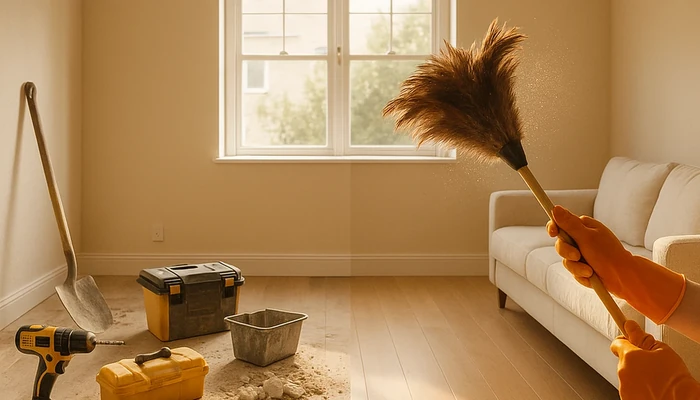
After a renovation or build, your space is filled with dust, debris, and construction residue. Tackling post construction cleaning isn’t just tidying up—it requires systematic, professional strategies to restore cleanliness, ensure safety, and prepare the area for use. In this complete guide, you’ll learn how experts approach post construction cleaning, how to assess your own project’s unique needs, and what sets apart a truly professional result. Whether you’re a homeowner, property manager, business owner, or Airbnb host in Chicago, this resource will walk you through effective strategies, proven checklists, and smart decision points for successful post construction cleaning.
Understanding the Unique Challenges of Post Construction Cleaning
Post construction cleaning presents specialized challenges that go beyond routine house or office cleaning. Every surface can be covered in fine dust, construction adhesives or residues need careful removal, and safety hazards can linger in unseen places. A well-devised professional strategy recognizes these challenges, addresses them systematically, and prioritizes both thoroughness and safety.
- High quantities of fine dust (including hazardous particles)
- Leftover debris and sharp objects (nails, screws, fragments)
- Residues from paint, caulk, adhesive, and grout
- Protected surfaces (glass, stainless steel, specialty floors) needing gentle care
- HVAC and vent contamination requiring specific cleaning
Initial Site Assessment: Determining Scope and Risks
Before beginning, professionals perform a comprehensive site assessment. This step shapes the cleaning approach and ensures that all hazards are considered:
- Walkthrough inspection: noting main areas needing attention (entryways, kitchens, bathrooms, offices, storage, mechanical areas)
- Checklist creation based on the types of debris, finishes, and safety concerns
- Documenting high-risk zones (near unfinished wiring, plumbing, or newly installed equipment)
- Identifying required safety protocols, per CDC cleaning guidance (see official cleaning and disinfecting standards)
Critical Preparation Steps Before Cleaning Begins
Professional cleaning teams invest heavily in preparation. This not only protects the space and cleaning staff but increases efficiency:
- Gather the right equipment: HEPA vacuums, microfiber cloths, mops, professional solvents, PPE (gloves, masks, eye protection)
- Segment the area: Isolate freshly painted, sensitive or hazardous locations from general cleaning zones
- Ensure ventilation: Open windows, run air purifiers, or HVAC if safe
- Clear large debris: Remove all bulk items, scraps, and packaging materials prior to fine cleaning
Sequencing Tasks for Maximum Efficiency
Post construction cleaning requires careful sequencing to avoid double work and ensure all contaminants are fully removed. A professional workflow looks like this:
- Debris and trash removal (all rooms and main hallways)
- Dry dusting: start high (ceilings, fixtures) and move downward (walls, windows, ledges)
- Vacuuming using HEPA filtration, especially for carpets and vents
- Wet cleaning and wiping: damp mops, microfiber cloths on all horizontal and high-touch surfaces
- Specialty residue removal: adhesives, paint, caulk (using approved solvents for each finish)
- Final touch and detailed checks (spot clean glass, shine fixtures, polish hardware, test all doors and drawers)
Tools and Supplies Used by Professionals
Professional cleaning after construction requires more than household brooms. Here’s a comparison of tools and materials commonly employed, and why they matter:
| Tool/Supply | Primary Use | Professional Advantage |
|---|---|---|
| HEPA-filter Vacuum | Fine dust removal on floors and vents | Captures particles missed by regular vacuums |
| Microfiber Cloths | Wiping and polishing all surfaces | Traps dust without scratching; reusable |
| Construction-Grade Masking Tape | Protecting sensitive finishes during cleaning | Prevents accidental scraping of surfaces |
| pH-neutral Cleaners | General hard-surface cleaning | Safe for new floors, countertops, appliances |
| Adhesive Removers | Lift stubborn residues | Formulated for construction adhesives without harming materials |
| PPE (Gloves, Masks, Safety Glasses) | Worker safety and contamination control | Prevents exposure to dust, allergens, chemicals |
Dust Control and Removal: Best Practices in Action
Dust is the most persistent and widespread post-renovation contaminant. Professionals tackle it on multiple fronts:
- Use HEPA-filter vacuums (never standard domestic vacuums) for carpets, vents, and even some walls
- Employ microfiber wiping techniques for surfaces, repeating where necessary until wipes show no residue
- Seal off air ducts and returns before cleaning; replace or clean filters afterwards
- Wet-mop hard floors to capture any remaining dust left from dry cleaning
- For persistent construction dust, eco-friendly removal methods are prioritized (Environmentally friendly dust cleaning strategies)
Safely Handling Hazardous or Sensitive Materials
A significant aspect of the professional approach is the safe and precise handling of hazardous materials and fragile finishes:
- Isolate and bag sharp debris and construction waste before sweeping/vacuuming
- Use only specified chemicals on sealed stone, marble, finished wood, and glass
- Strictly follow CDC protocols for cleaning and sanitizing high-touch and shared environments (see CDC infection prevention standards)
- Dispose of chemical containers and sharp materials according to local ordinances
Professional Checklists for Post Construction Cleaning Stages
Expert teams build their work around comprehensive checklists that guide progress and ensure no step is missed. Here is an example, structured for a typical post-construction project:
- Remove all trash, debris, and leftover materials from every room
- Vacuum, sweep and mop all floors twice
- Clean baseboards, sills, and trim
- Wipe all cabinets (inside and out)
- Wash walls where needed (remove dust and marks)
- Clean windows, mirrors, and glass features—both sides
- Remove protective films or stickers from appliances and installations
- Polish fittings, hardware, and door handles
- Sanitize bathrooms: toilets, sinks, showers, tubs, fixtures
- Inspect for missed debris and dust, repeating steps as needed
For a customized checklist by project type, see Effective Post-Renovation Cleaning Inspection for additional tips.
Comparing Post Construction Cleaning for Homes vs. Offices
The approach in different environments varies depending on scale, materials, and usage:
- In residences: focus is on deep cleaning of living spaces, kitchens, bathrooms, and attention to dust in air vents and upholstery.
- In offices or commercial spaces: tasks expand to include deeper care for high-traffic flooring, cubicles, meeting rooms, and strict hygiene protocols for shared facilities.
- For Airbnbs, rentals, or turnovers: rapid turnaround processes, focus on presentation, and guest-ready amenities.
For specialized commercial needs, explore office cleaning service options and commercial cleaning offerings.
Ensuring Hygiene and Health Post Construction
Construction sites can leave hazardous dusts and residues. Ensuring hygiene is not negotiable where children, staff, or guests will return:
- Disinfect high-touch points (light switches, control panels, door handles) with products meeting CDC standards
- Use color-coded cloths to avoid cross-contamination between rooms (e.g., bathrooms vs. kitchens)
- Change HVAC or air purifier filters after all work
- Check for any mold or mildew, especially if there was excess moisture or water during construction
Full health compliance details and inspection approaches can be found at Effective Post-Renovation Cleaning Inspection.
Safety Protocols Every Professional Team Follows
Safety is at the center of every professional cleaning strategy. How do experts protect both cleaners and new occupants?
- PPE for all staff and required training in chemical usage
- Label and quarantine hazardous waste until legal disposal
- Mark wet floors and blocked areas to prevent accidents
- Enforce secure handling and storage of cleaning solutions
CDC standards for safe cleaning techniques are essential. For the official government guidance, consult CDC’s cleaning, sanitizing, and disinfecting guide.
Eco-Friendly and Sustainable Cleaning Practices
Modern post-construction cleaning strives to minimize environmental impact. Professionals choose green strategies wherever possible:
- Prioritize non-toxic, biodegradable cleaning chemicals
- Utilize reusable materials (microfiber cloths, mop heads)
- Sort and recycle packaging, cardboard, wood, and metals
- Adopt water-saving cleaning techniques (e.g., targeted spotting before full wet-mop)
Read about sustainable dust removal strategies and learn efficient waste disposal on proper construction waste disposal.
How to Choose a Professional Post Construction Cleaning Company
Hiring the right company for post-construction cleaning is a crucial decision. Key questions to ask potential providers include:
- What specific experience do you have in post construction cleanups (homes, offices, facilities)?
- Are your staff trained in safe handling of materials and surfaces?
- What checklists or quality control methods do you use?
- Do you follow CDC and local health safety protocols?
- What kind of insurance and guarantees do you provide?
For ongoing or specialized cleaning needs (like education facilities, religious buildings, or gyms), see facility cleaning options and gym cleaning services.
Post Construction Cleaning: Timeline and Frequency Guidance
The optimal timing and cadence of cleaning depend on project scope and occupancy plans:
- First pass: immediately after final contractor work, removing major debris and dust
- Follow-up cleaning: 1–2 days later, to capture settling airborne dust and address punch-list items
- Final presentation clean: immediately before move-in or first occupancy, with a focus on appearance and sanitization
- Special cases: more frequent cleaning if sensitive populations (children, immunocompromised) or heavy construction residues are present
Decision Flow: DIY, In-House, or Professional Service?
Choosing who should handle the clean-up involves weighing expertise, time, and risk.
- DIY / In-house: May be viable for small residential projects if you have time, basic PPE, and no hazards. Risks missing professional-grade dust or unsanitary areas.
- Professional service: Best for thoroughness, safety, proper waste disposal, and when timelines or health standards are critical. The right team follows strict checklists and ensures post-construction hygiene at move-in standard.
For full peace of mind in Chicago, CHI Cleaning Services offers flexible scheduling for recurring, deep, and one-time cleaning. Schedule your move-out cleaning here.
Advanced Techniques for Specialized Spaces
Certain facilities require additional steps:
- Commercial kitchens/Restaurants: Degreasing, deep floor grout cleaning, and sanitation per food-safety rules (Restaurant cleaning service).
- Medical/Dental offices: Rigorous disinfection beyond visible cleaning; sterile protocols as outlined by CDC. (Medical office cleaning, Dental office cleaning).
- Gyms, religious facilities, salons, and spas: Focus on locker/changing areas, high-traffic surfaces, and chemical-sensitive finishes. (Spa cleaning, Beauty salon cleaning).
See more advanced cleaning tips at Effective Post-Renovation Cleaning Inspection.
Resolving Common Post Construction Cleaning Pitfalls
Even with a step-by-step plan, these pitfalls require careful attention:
- Overlooking air vents and HVAC filters—spreading dust after cleaning
- Using the wrong chemicals on new finishes—leading to permanent surface damage
- Failing to repeat dusting/mopping rounds after initial clean
- Neglecting to inspect behind built-ins or furniture for hidden debris
- Inadequate sterilization in high-use or sensitive areas
To avoid these issues, adopt checklists used by professional teams and conduct a final walkthrough as detailed in Post-Construction Cleaning: Best Practices.
FAQ: Post Construction Cleaning Professional Strategies
- What is the difference between a regular cleaning and post construction cleaning?
- Post construction cleaning focuses on removing fine construction dust, debris, adhesives, and residues that standard cleanings do not address. This process requires specialized equipment and checklists.
- How long does professional post construction cleaning take?
- Depending on the space, one day for small apartments is common, while large offices or industrial projects can require multiple days and several passes to remove dust and ensure complete hygiene.
- Are all cleaning chemicals safe for new surfaces?
- No. Only use professional-grade, pH-neutral cleaners and check manufacturer recommendations for new flooring, stone, marble, and appliances to prevent damage.
- Can I stay or work on site during post construction cleaning?
- It is best to stay away until work is finished, especially during dusting and debris removal. Many post construction cleaning products and fine dust are not healthy to inhale for unprotected occupants.
- What are the steps to prepare for a professional cleaning visit?
- Remove personal and valuable items, ensure contractors are finished, provide access to all areas, and communicate any surface or safety sensitivities to your cleaning company in advance.
- What is the cost range for professional post construction cleaning?
- Pricing depends on square footage, condition, and special requests. For an accurate estimate tailored to your project, contact a professional cleaning company directly.
- Is a follow-up cleaning ever needed?
- Yes—residual dust can continue to settle for a couple of days post-construction. A second round is advised for best results, especially in high-traffic or sensitive spaces.
- Do professionals also handle waste disposal?
- Yes. Post construction teams include removal and disposal of all construction debris following local regulations. See this guide on construction waste disposal.
Final Steps and Ensuring Lasting Results
Professional post construction cleaning concludes with a careful review and walk-through, ensuring every detail meets checklist standards. Provide clear feedback, request a final detailed sweep, and ask about recommended maintenance routines for your new fixtures and surfaces. For major turnovers and move-ins, consider scheduling a return visit after 1–2 weeks.
Your space deserves more than a surface tidy after construction—professional cleaning strategies restore it to a safe, healthy, and inviting environment. For expert help in Chicago and beyond, trust CHI Cleaning Services to deliver quality you can see and feel.
About CHI Cleaning Services
CHI Cleaning Services helps households and businesses in Chicago, Illinois and nearby areas keep their spaces clean and healthy. Our trained staff specialize in recurring house cleaning, deep cleaning, move-out and post construction cleaning, office cleaning, and special facility cleaning. We follow strict checklists, use professional-grade products for every surface, and prioritize long-term client relationships, transparency, and safety at every stage. For more about our standards or to request service, visit CHI Cleaning Services.
cleaning companies in chicago, renovation cleaning West Dundee IL, post construction cleaning River North IL, after renovation cleaning Rosemont, dust removal cleaning Gold Coast, after construction cleaning Cicero IL, post construction cleaning Vernon Hills IL, after renovation cleaning Algonquin, new construction cleaning Round Lake, new construction cleaning Elmhurst